





Read More: Autonomous Technology: The Future Is Now
Ford Pilots Autonomous Route Simulation on Worksites
In a collaboration with DP World London Gateway, Ford’s self-driving research program explores how AVs could integrate into a fleet's business. See how in this video.
December 2, 2021
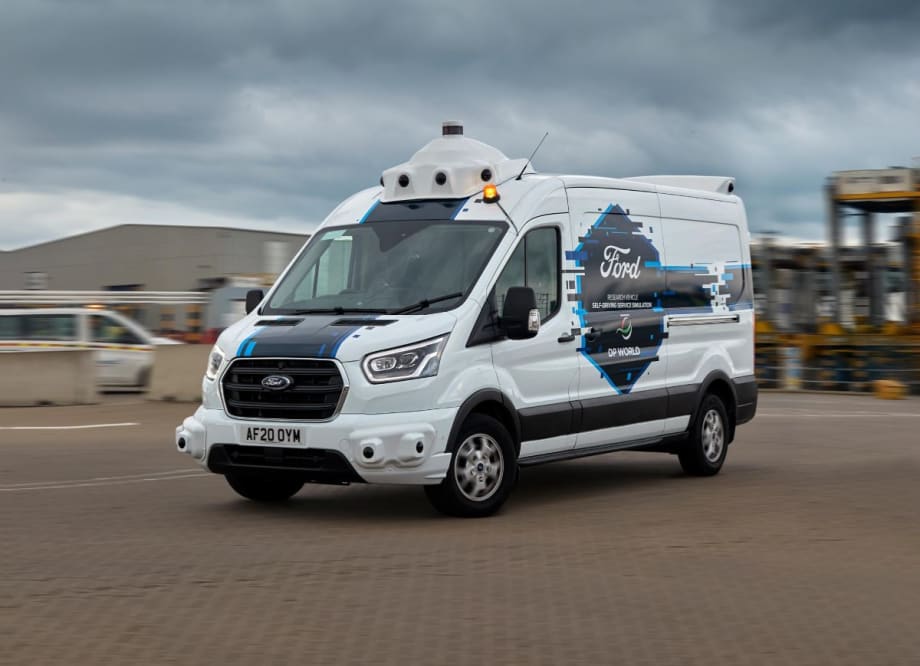
Researchers observed the simulation and said that workers quickly adapted to the upfitted Transit van.
Photo courtesy of Ford.
3 min to read
Ford Motor Company and DP World London Gateway have conducted a trial with a simulated autonomous vehicle on large worksites.
The initiative is part of Ford’s Self-Driving Research Program, designed to help businesses understand how autonomous vehicles could benefit their operations. First launched in June to explore the potential impact upon courier services and doorstep deliveries, the trial tested how recipients managed when accessing self-driving delivery vehicles themselves.
According to the announcement, the goal is to identify new opportunities and models for autonomous vehicle operations – in particular, understanding how existing processes and human interactions can work alongside automated vehicles.
“It was incredible to see how enthusiastically the team at DP World embraced working with the support of a self-driving vehicle," said Richard Balch, director, Autonomous Vehicles and Mobility, Ford of Europe. "We are continuing to work very closely with our customers to learn how these vehicles can benefit their businesses, and it is exciting to see first-hand the impact this can have across a diverse range of locations. What worked so well at DP World premises could equally be of benefit at universities, airports, and manufacturing facilities.”
DP World London Gateway is located east of London and already uses automated technology as part of its operations as a deep-sea container port. For the trial, Ford used a specially adapted Transit upfitted to mimic the look of an actual self-driving vehicle with a driver concealed within a “Human Car Seat.” Employees loaded packages into secure lockers in the rear of the Transit. Then, at set delivery times, the Transit traveled to the main reception 3.5 km away for colleagues to retrieve.
Every step of the process was monitored by researchers who conducted interviews before, during, and after the trial. They reported that employees quickly became comfortable using the van. The news release says that some proactively trained colleagues to access their packages, while others overcame difficulties intentionally introduced by the researchers, such as the wrong parcels being stowed in the wrong lockers.
“Having what appeared to be a self-driving vehicle on site created a real buzz. Everyone wanted to use it," said Ernst Schulze, UK chief executive of DP World. "Popping in the car to pick up a package from elsewhere on site might not seem like it takes that long, but across multiple journeys over weeks, months, and years, this can add up to a lot of time and money.”
Along with the Port of Tilbury and Ford Dagenham, DP World London Gateway will form Thames Freeport. The U.K. government awarded the partners freeport status earlier this year. The partners are currently progressing the business case, with Freeport Tax Site status being awarded on Nov. 19, on their journey to receiving formal accreditation.
Ford has been testing self-driving technology in major cities across the U.S. in partnership with Argo AI. The company plans to invest around $7 billion in autonomous vehicles through 2025 – $5 billion of that from 2021 forward – as part of its mobility initiatives.
Originally posted on Automotive Fleet
More Utility Fleet
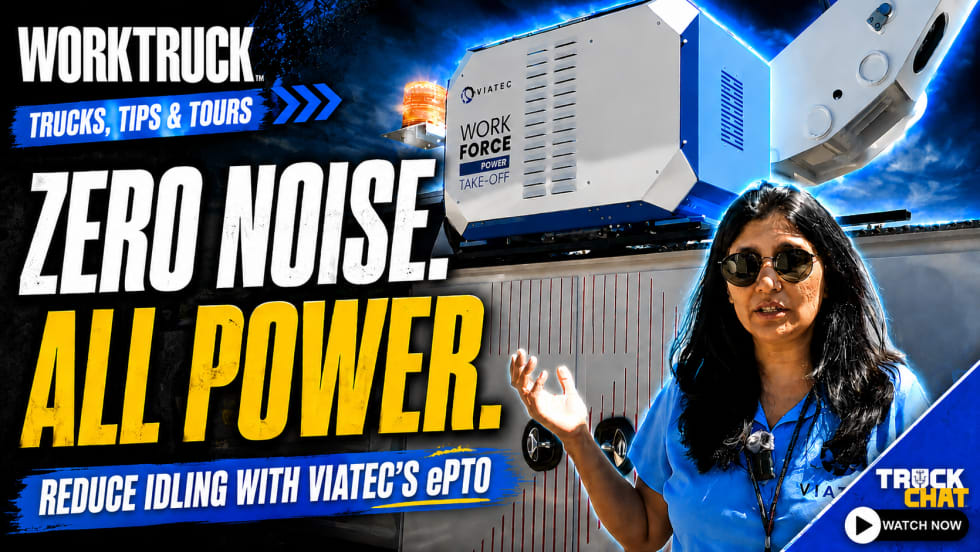
Reduce Noise & Idling with Viatec’s ePTO
Viatec's Workforce ePTO lets utility trucks power booms, outriggers, and auxiliary equipment using battery power instead of idling the engine. Learn how this technology helps reduce fuel use, noise, engine wear, and emissions while improving operator comfort.
Read More →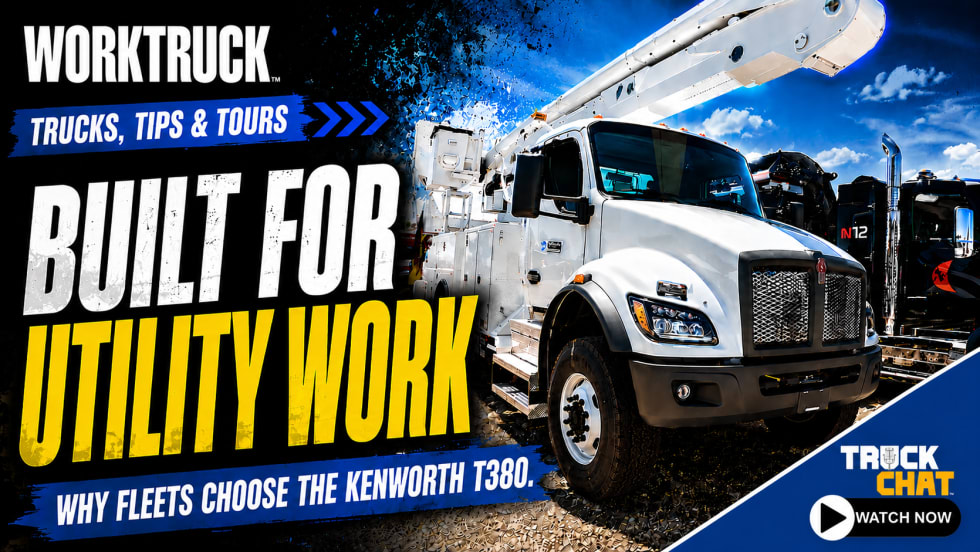
Why Utility Fleets Choose the Kenworth T380
The Kenworth T380 is engineered for utility fleets with custom chassis layouts, optimized frame rails, 4x4 capability, and improved driver visibility. See how its design helps maximize upfit flexibility and field performance.
Read More →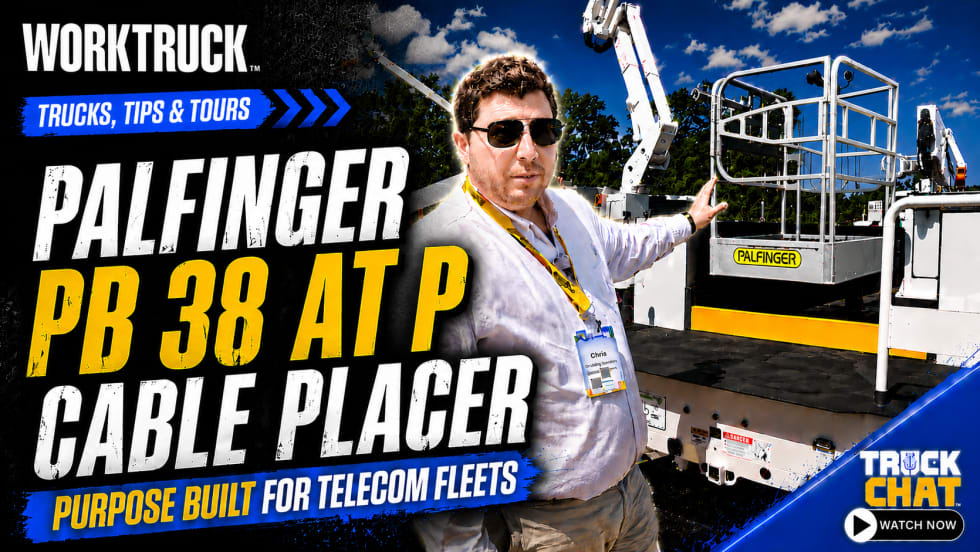
PALFINGER PB 38 AT P: Purpose-Built for Telecom Fleets
Purpose-built for telecommunications crews, the PALFINGER PB 38 ATP combines a 43-foot working height, flexible basket stowage, integrated cameras, and operator communication systems to improve productivity and safety during fiber and overhead cable installation.
Read More →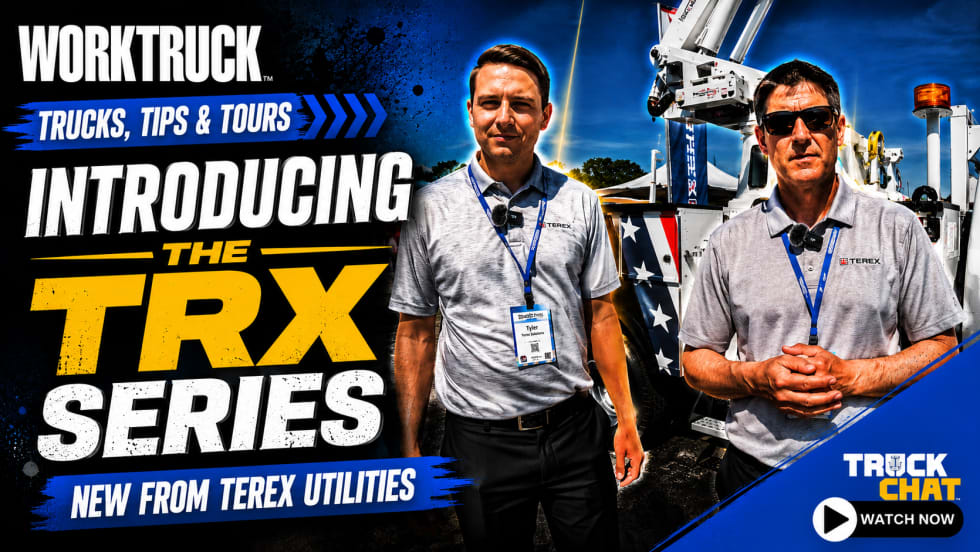
Inside Terex Utilities' Latest Work Truck Innovations
Terex Utilities is advancing utility fleet operations with its new TRX aerial platforms, Flex Pro controls, and AI-powered 3rd Eye safety technology. See how these innovations are helping fleets work safer, smarter, and more productively.
Read More →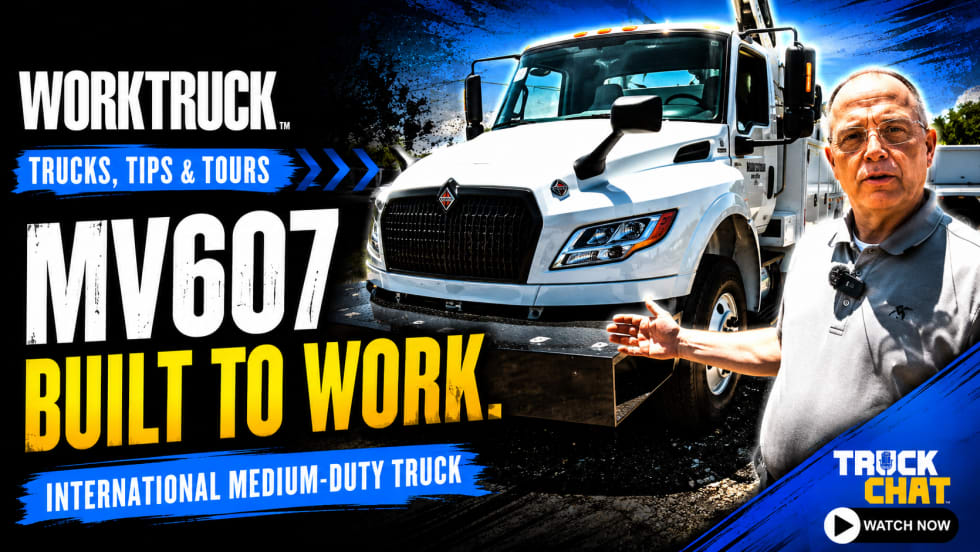
Walkaround of International MV607 Digger Derrick
The International MV607 combines advanced safety technologies, excellent visibility, vocational flexibility, and seamless body integration to create a powerful platform for utility fleet operations. Take a closer look at this Altec digger derrick configuration from EUFMC.
Read More →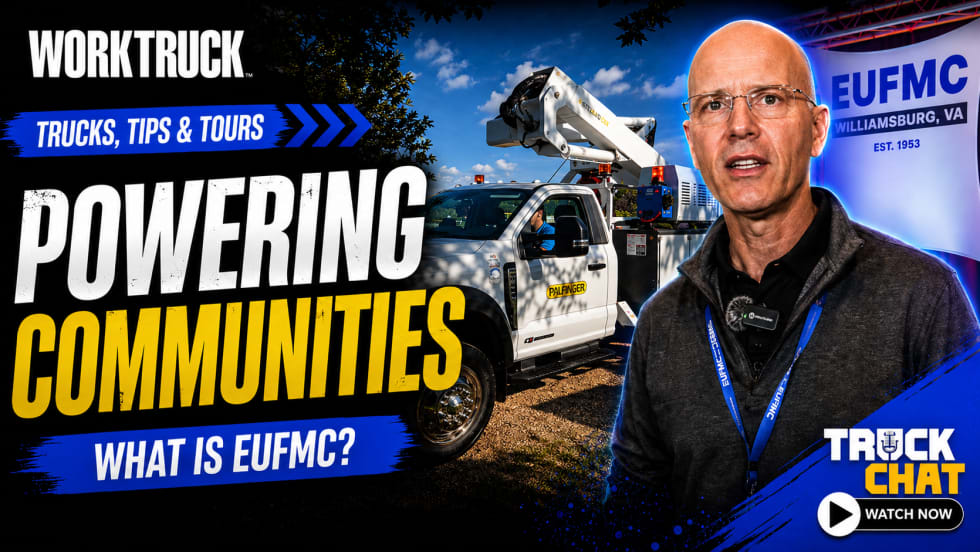
Inside the Electric Utility Fleet Managers Conference
What is EUFMC? For more than seven decades, the Electric Utility Fleet Managers Conference has served as a hub for collaboration, education, and innovation within the utility fleet industry. In this video, Work Truck talks to EUFMC President Greg Loew to learn more.
Read More →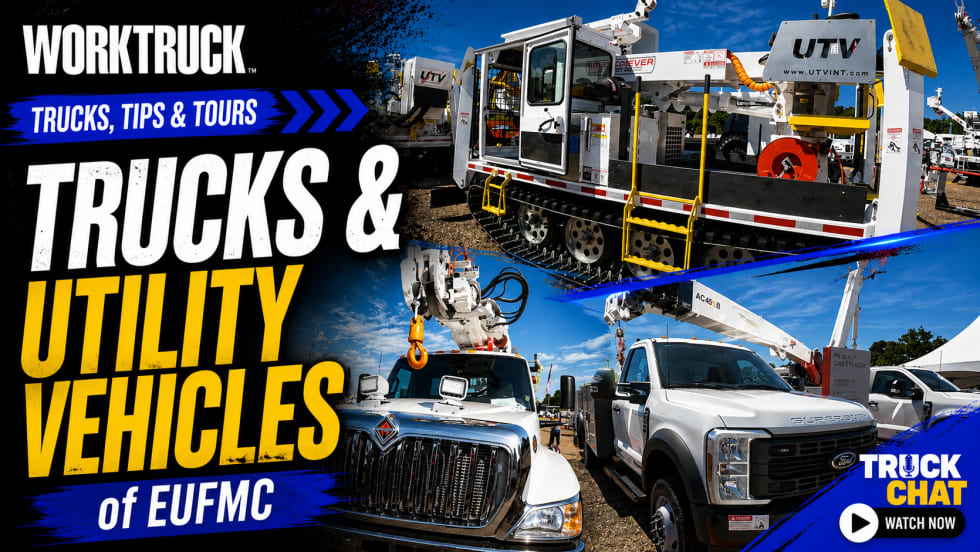
Inside the EUFMC Equipment Expo & Drive-Through
Follow Work Truck as we check out the trucks and other vehicles that were showcased at the Electric Utility Fleet Managers Conference in Williamsburg, Virginia. Whether looking for something on tires or treads, it was there for fleet managers to see.
Read More →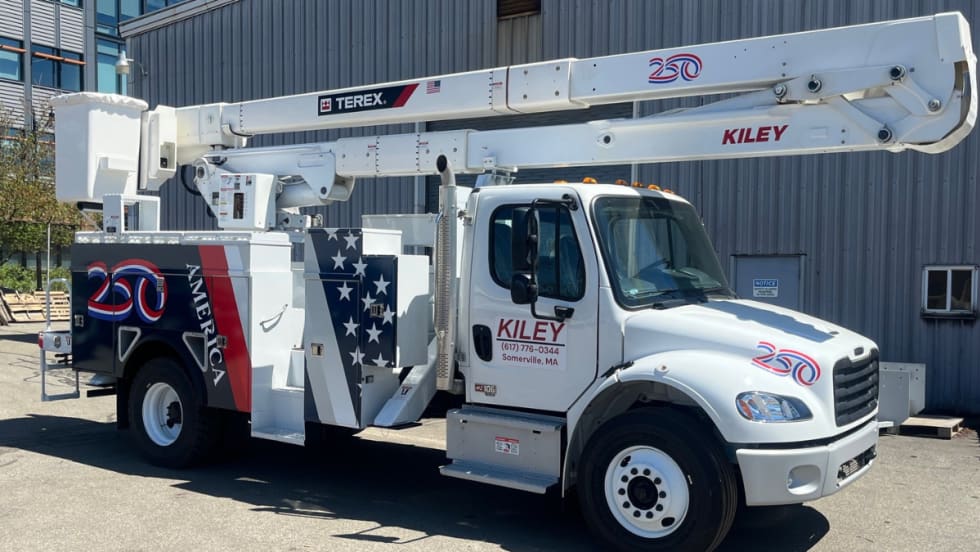
Terex Utilities & Kiley Unveil Custom America 250 Bucket Trucks at EUFMC 2026
Terex Utilities showcased a patriotic spirit in its booth this week during the Electric Utility Fleet Managers Conference in Williamsburg, Virginia, by debuting two custom-wrapped bucket trucks celebrating America’s upcoming 250th anniversary.
Read More →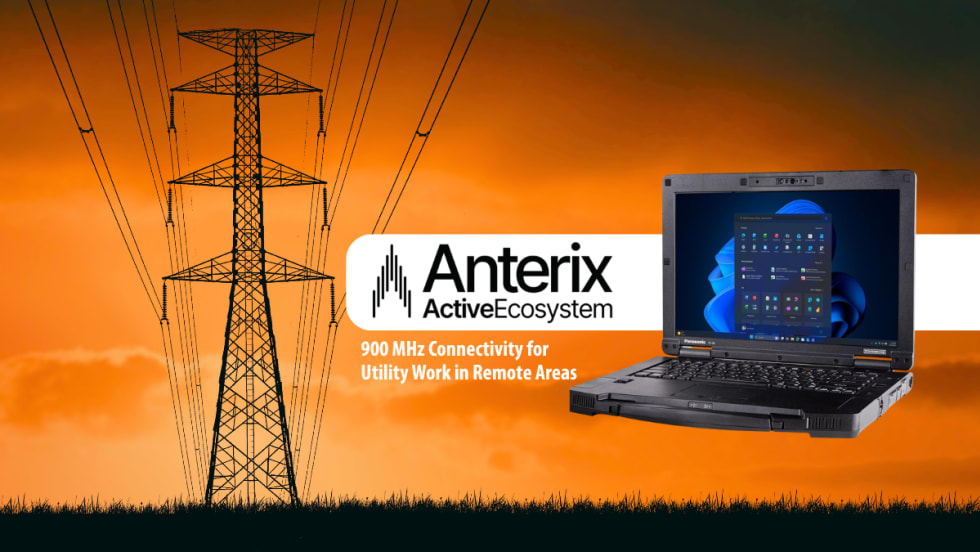
Panasonic Connect & Anterix Strengthen Connectivity Options for Utilities and Field Workers
The Panasonic Connect Toughbook 56 is the first Toughbook to earn the AnterixActive badge, which means it can connect to and operate on Anterix’s 900 MHz network even in the most remote locations.
Read More →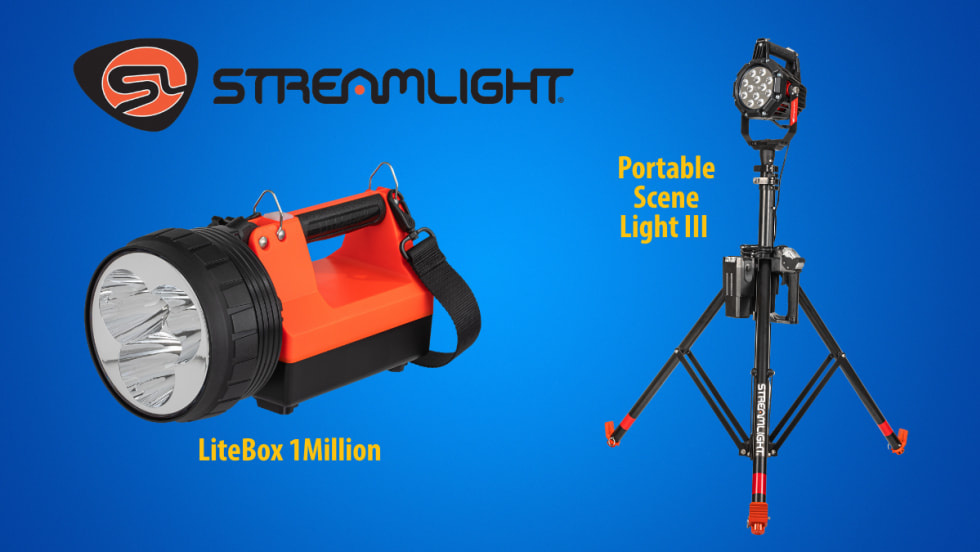
Streamlight Launches Portable Scene Light III & LiteBox 1Million
Streamlight has launched its Portable Scene Light III (PSL III), which delivers up to 10,000 lumens, and the LiteBox 1Million, a long-range search light that delivers one million candela.
Read More →