




Ford Implements Intelligent Active Safety Technologies
Systems that focus on accident avoidance include AdvanceTrac with Roll Stability Control, Collision Warning with Brake Support and the Blind Spot Information System.
Ford Motor Company engineers have introduced a host of in-vehicle intelligent active safety technologies that aim to help drivers avoid accidents. The emphasis has expanded from "passive" safety systems (seat belts, airbags and crumple zones), which look to minimize post-crash driver and passenger injury, to include "active" safety systems that focus on pre-collision accident avoidance. Among the first active safety technologies to be successfully shared globally is AdvanceTrac with Roll Stability Control (RSC). The system measures the roll motion of a vehicle and then takes corrective action to help reduce the risk of rollover. The introduction of RSC began with the launch of the Volvo XC90 and was soon migrated onto the Ford Explorer and Ford’s entire North American SUV lineup, according to a spokesman. Another active safety technology, co-developed by Ford R&A and researchers at the Volvo Safety Center, is Collision Warning with Brake Support (CWBS). Launched on the 2007 Volvo S80, CWBS uses forward-looking radar to gauge an impending frontal crash. If a potential collision is detected, a warning is first given via an audio alert and a Head-Up Display light "bar" reflected off of the front windshield. Then, the system augments the driver's braking by automatically applying additional brake pressure to further reduce the vehicle's speed. The Mazda Pre-crash Safety System is another example of a radar sensor mounted toward the front of a car to monitor the vehicle ahead, oncoming vehicles or other obstacles. In addition to a collision warning, if the driver fails to take an evasive action in the event of an impending crash, the vehicle's brakes are applied automatically and the seatbelts are pre-tensioned in an effort to restrain the occupants more effectively. A host of Volvo vehicles are already available with another optional high-tech safety feature, the Blind Spot Information System (BLIS), which utilizes cameras mounted in the side-door mirrors to warn of vehicles in a car's blind spots. Each camera takes 25 pictures every second, while an onboard computer uses these images to determine when another vehicle is alongside. The system then illuminates orange warning lamps positioned near the front-door windshield pillars, providing a subtle warning of a nearby car.
More Small Fleet

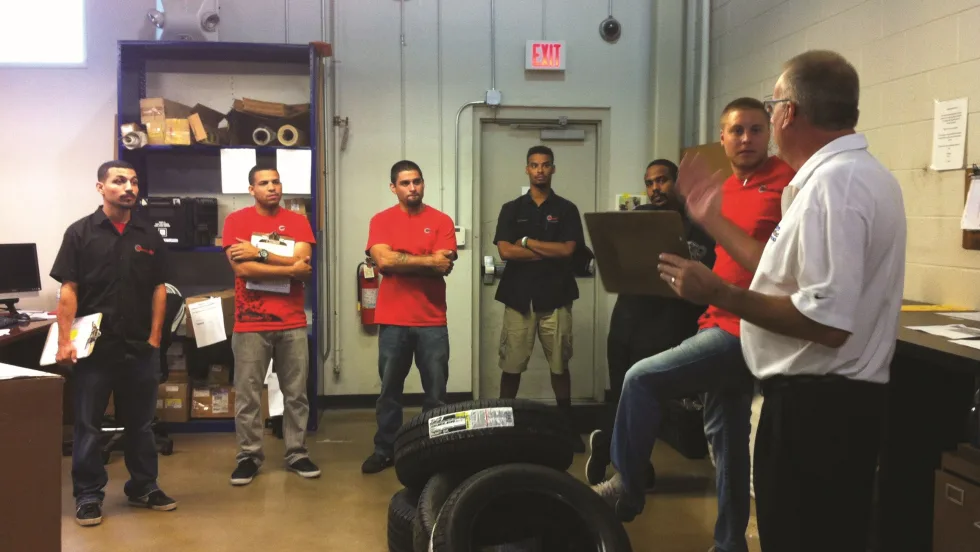
Developing Budget-Friendly Driver Safety Programs
From driver training and safety meetings to one-on-one coaching and incentive programs, several small fleets share how they have developed a safety culture with their drivers using low- to no-cost resources.
Read More →
Boosting Last-Mile Fleet Uptime, Safety, and Value with AI Vehicle Inspections
AI-powered inspections are transforming last-mile fleets by replacing manual checks with highly accurate automated scans that detect defects in seconds. By giving fleet operations visibility into the daily condition of their vehicles, you can identify trends over the vehicle’s lifecycle that enable improved procurement decisions, route management, driver training and accountability.
Read More →

Five Ways Seat Belts Help Prevent Injuries
There are five ways seat belts protect occupants from injuries, according to the Tennessee Department of Safety and Homeland Security.
Read More →
Basic Tracking vs Next Generation Fleet Technology
Fleet software is getting more sophisticated and effective than ever, tying big data models together to transform maintenance, safety, and the value of your existing tech stack. Fleet technology upgrades are undoubtedly an investment, but updated technology can offer a much higher return. Read how upgrading your fleet technology can increase the return on your investment.
Read More →
It’s here: The 2026 Fleet Technology Trends Report
What does AI mean for fleets? Get the answer — and learn other top tech trends.
Read More →
Small Fleets, Big Impact: How Independent Drivers Power Wreaths Across America
Check out how small fleets and independent drivers power Wreaths Across America each December and why their impact matters more than ever.
Read More →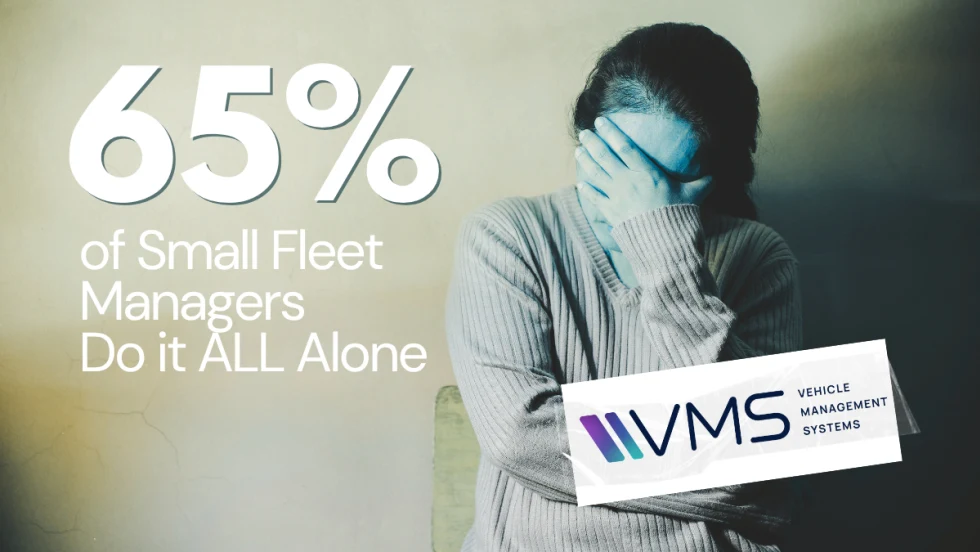
VMS Survey Finds 65% of Small Fleet Managers Run Operations Alone
A new VMS survey shows small fleet managers are stretched thin, with most handling operations solo and eager to adopt digital tools for relief.
Read More →
Tips for Driving Safely on Halloween Night
This video features a reminder from the Connecticut Department of Transportation (DOT) and the Connecticut Police Chiefs Association, urging drivers to prioritize safety this Halloween.
Read More →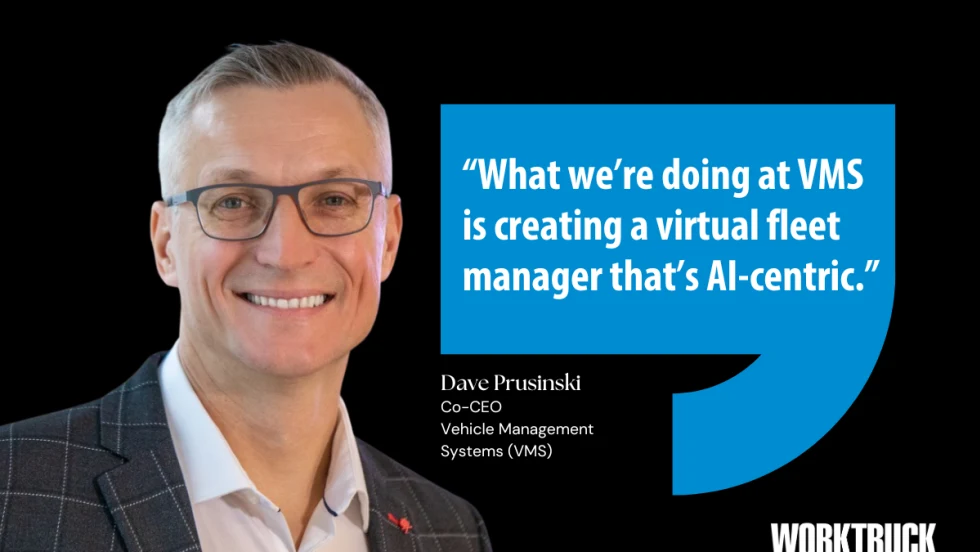
AI, Access, and Uptime: VMS’s Next Chapter with David Prusinski
VMS’s new Co-CEO, David Prusinski, shares how an AI-first approach will give small fleets and repair shops the tools to compete like big players.
Read More →