




Ford Car Learns Drivers' Likes and Dislikes

Ford Motor Company has developed a sophisticated in-vehicle electronics system that takes "smart" electronics a giant step closer to reality. The automaker demonstrated a specially equipped Lincoln LS that can recognize a driver's lifestyle preferences even before the vehicle is started.
The vehicle made its worldwide debut at Convergence 2000 today. Using a personalized and secure key fob called iButton from Dallas Semiconductor, about the diameter of a dime, and advanced software technology from Sun Microsystems and Sensoria, allows the LS to program a driver's preferred stations, memorize electronic phone books, adjust the temperature and seat, and instantly display the day's errands.
The equipment Ford is showcasing on the Lincoln LS will dovetail into much of what Wingcast, the telematics provider created by Ford and QUALCOMM Incorporated, is doing.
With the iButton, a driver will be instantly recognized by his or her vehicle by touching a marked location on the console. On the iButton are "markers" that tell the vehicle the driver's preferences for music, temperature settings, seat position and even the type of shift pattern in a transmission he or she may enjoy.
The system in the Lincoln LS knows what telephone numbers are most important to the driver, quickly highlighting them on the center console screen until the driver requests the message be retrieved with a voice command.
Wireless short-range technology will recognize the driver's Palm-held information, whether in a briefcase or purse. With that information, the vehicle will remind the driver of a conference call, then dial the number if requested. This communications link is made possible through the use of software that enables devices such as a Palm to "talk" to a cellular phone and vice versa.
More Technology & AI
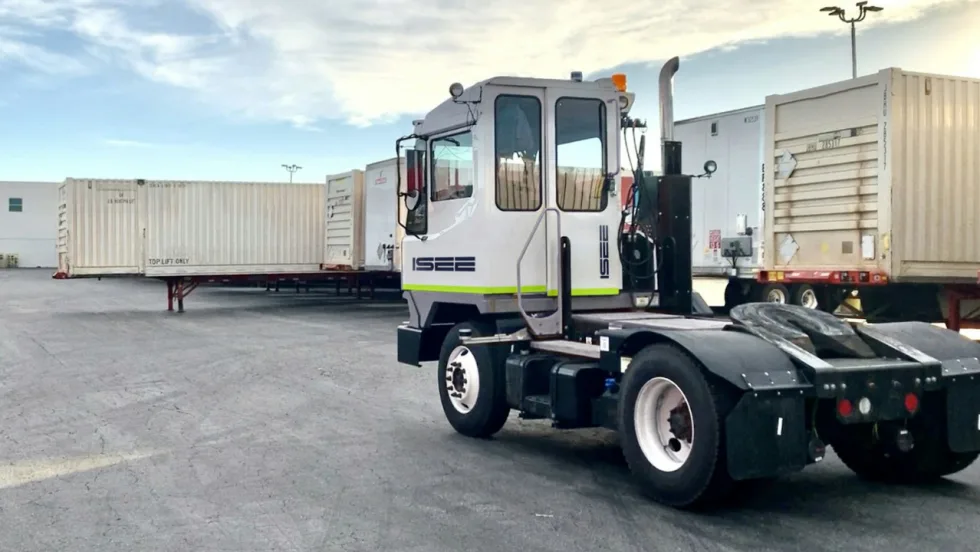
Holman and ISEE Partner to Expand Autonomous Yard Truck Operations
The partnership combines Holman's fleet management and upfitting capabilities with ISEE's autonomous driving technology to help businesses deploy and manage driverless yard trucks.
Read More →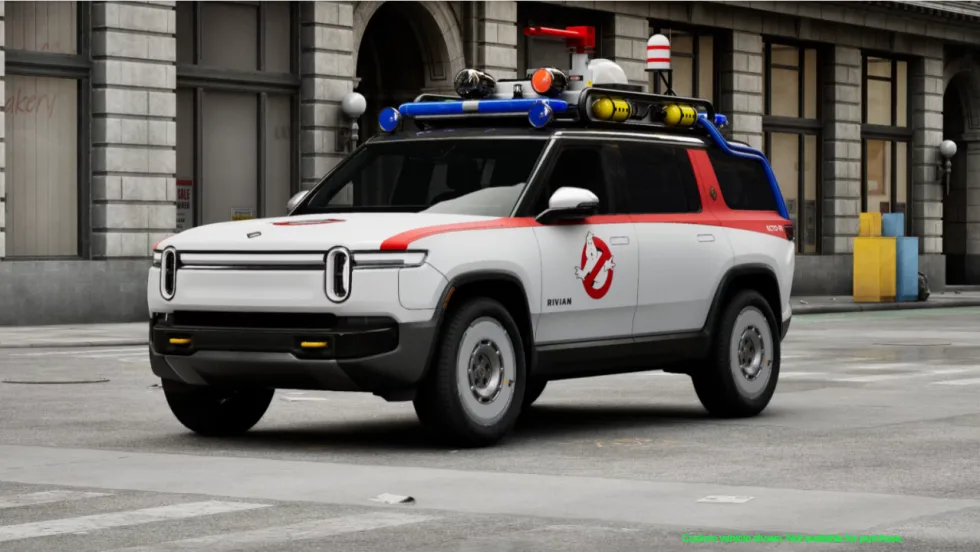
Who You Gonna Call? Rivian Turns Electric Vehicles Into Ghostbusters Rides
Rivian teams up with Sony Pictures for a Ghostbusters-inspired Halloween software update, complete with custom sounds, lighting effects, and a special Ecto-R1.
Read More →
The Second Trip and What Missing Tools Really Cost a Service Business
For service fleets, missing tools and equipment can lead to second trips, lost technician time, higher operating costs, and delayed jobs. Equipment tracking can help HVAC, plumbing, electrical, landscaping, and other service businesses improve visibility and reduce downtime.
Read More →From Our Partners
Basic Tracking vs Next Generation Fleet Technology
Sponsored by AT&T Business
5 Facts Every Fleet Manager Should Know About Embedded Telematics
Sponsored by Stellantis/Mobilisights
How AI Video Telematics Boosts Driver Safety and Helps to Avoid Unnecessary Costs
Sponsored by Verizon Connect
Charting the 8 Bottom-Line Benefits of Workforce Optimization
Sponsored by Verizon Connect

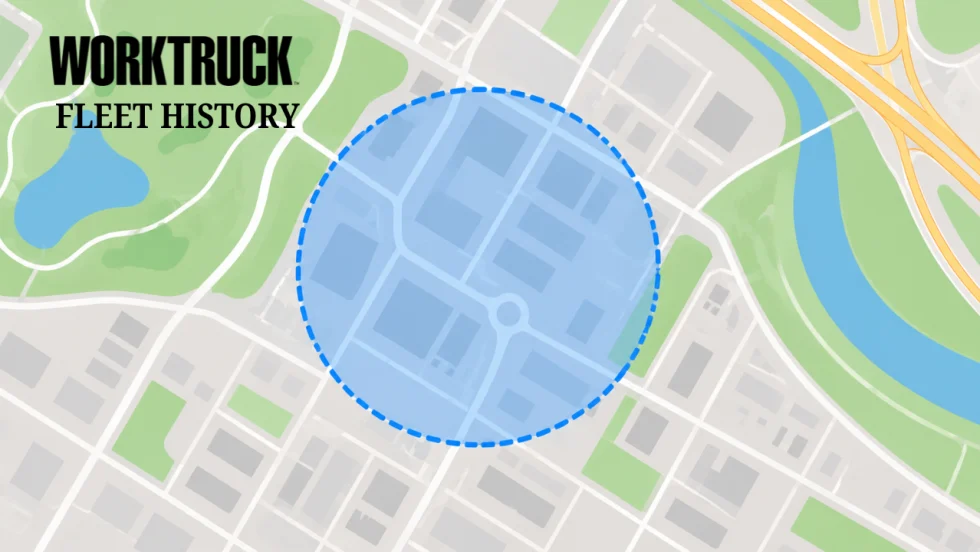
GeoFencing Adds to Your Truck Security Arsenal
Geofencing is a familiar fleet tool today, but its early adoption marked a major shift in vehicle tracking, route monitoring, and the debate over employee privacy.
Read More →
Geotab Data Shows Regional Trucking Growing Faster as Last Mile Routes Get Denser
Geotab's first U.S. supply chain report finds stable long-haul activity, stronger regional freight movement, tighter hub-and-spoke utilization, and more last-mile trips on shorter routes.
Read More →
When Fleet Technology Helps and When It Just Adds Complexity
New technology can help fleets work smarter, but only if it solves the right problem. Lauren Fletcher talks with AP Fleet’s Alex Coveney about innovation, AI, data, and knowing when a new solution is actually worth adopting.
Read More →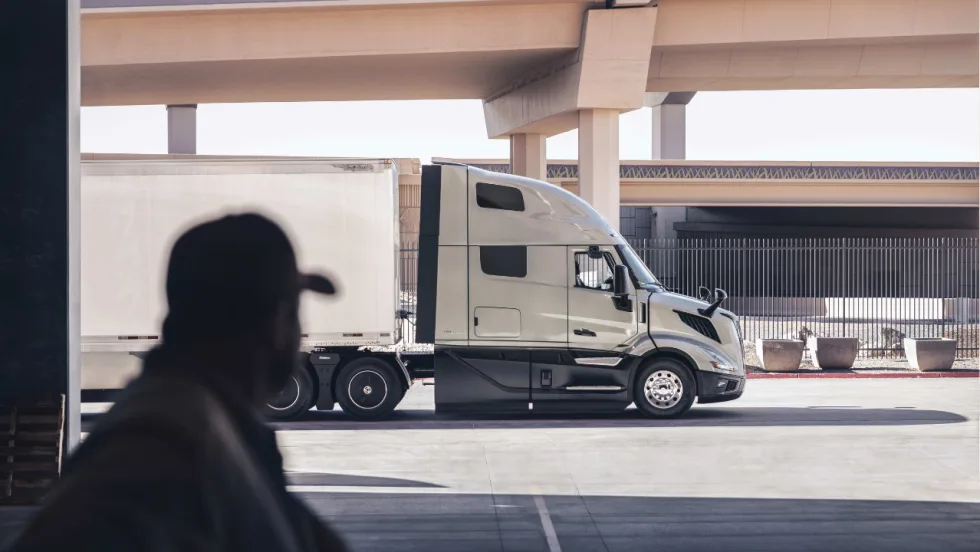
Volvo Trucks’ 'Lock and Leave' Software Updates Go Live Across North America
Unattended over-the-air software updates are now available in Volvo trucks across the U.S. and Canada. The new capability lets trucks stay current with the latest software without interrupting operations or requiring a dealership visit.
Read More →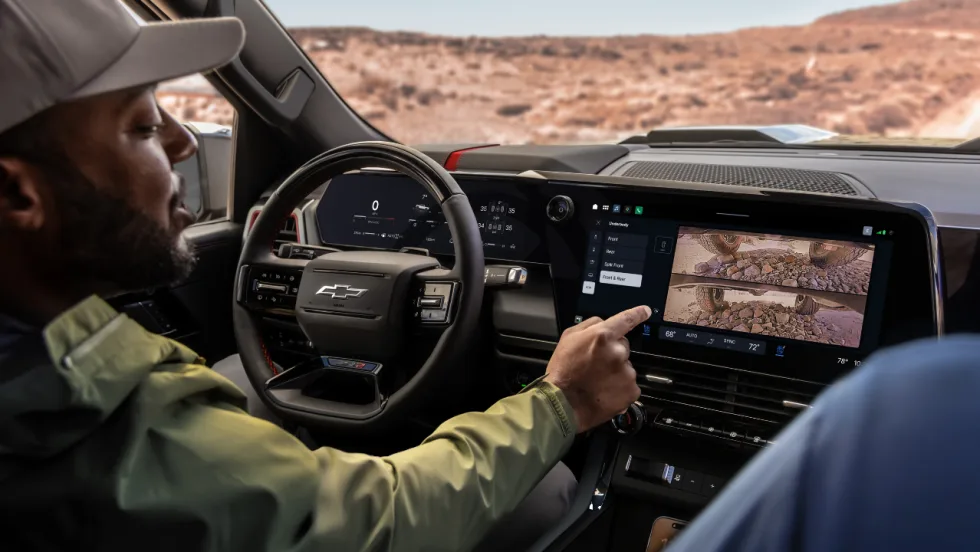
GM Brings New Truck Focused Interface to 2027 Silverado and Sierra
GM's new pickup interface puts trailering data, camera views, vehicle controls, and smartphone integration closer to the driver in the 2027 Silverado and Sierra.
Read More →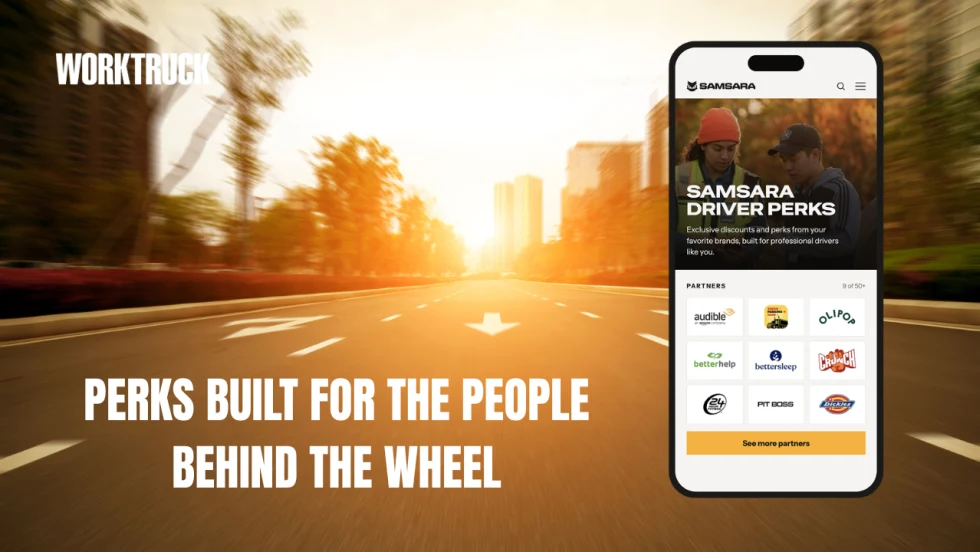
Samsara Driver Perks Expands Rewards Beyond the Long Haul Driver
Samsara’s new driver rewards program was built with a broader professional driver in mind, including employees who split their day between driving, job sites, service calls, and other work.
Read More →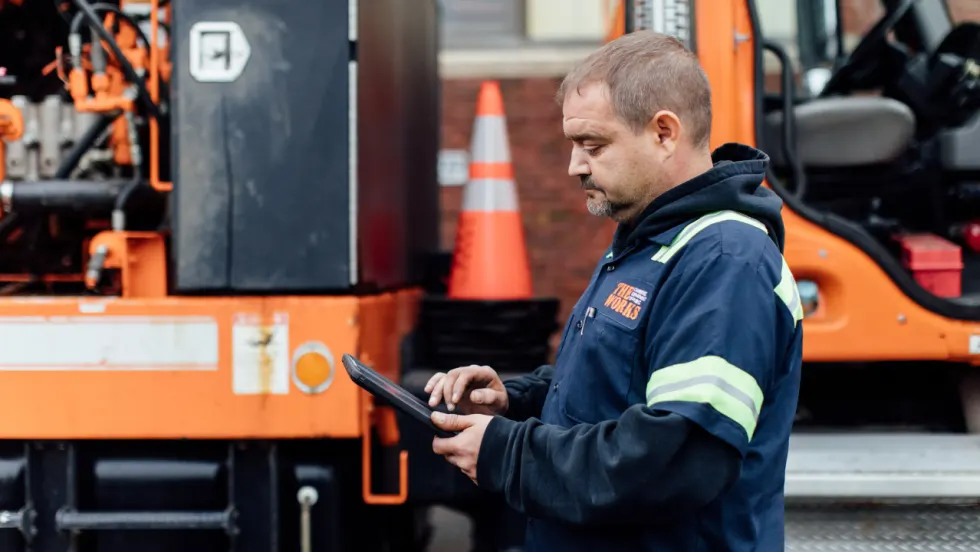
AI Service Advisor Aims to Cut Fleet Repair Downtime
Fleetio said its AI Service Advisor can help fleets cut repair downtime by an average of 2.5 hours per repair while reducing manual maintenance work.
Read More →