




Feds Set Safety Rules for Vehicles
The National Highway Traffic Safety Administration (NHTSA), reshuffling its regulatory priorities for the next four years, plans to adopt new rules designed to further improve tire safety, strengthen head restraints in cars and trucks, and enhance the safety and durability of fuel tanks within 18 months, according to a Detroit News story by Jeff Plungis. In addition, by 2003, the agency hopes to issue new updated requirements to reduce headlight glare, subject cars and trucks to new tests to enhance the protection of occupants in frontal and side-impact crashes, and to prevent the ejection of vehicle occupants in rollover crashes, NHTSA said July 25. New tire regulations prompted by the recent recall of millions of Firestone tires will top the agency's agenda, largely because Congress mandated changes. Regulations that call for tire pressure monitoring devices and for automakers to submit extensive documentation on safety problems and warranty claims have already been issued. NHTSA is still working on new rules that would subject light trucks to rollover tests, improve child restraints and require new manufacturing standards for tire makers. At the same time, a timetable to introduce measures to strengthen vehicles' roofs in rollover crashes has been delayed. NHTSA estimates there are 3,700 deaths and serious injuries caused by crushed roofs each year. With a final regulation not expected until 2004, automakers would likely not have to meet new roof crush standards until the 2006 model year, according to the Detroit News.
More Small Fleet

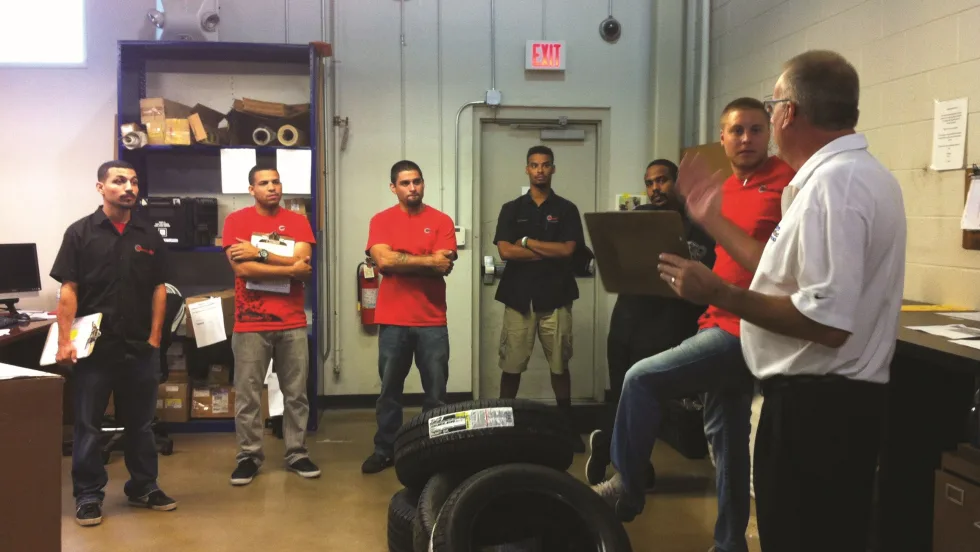
Developing Budget-Friendly Driver Safety Programs
From driver training and safety meetings to one-on-one coaching and incentive programs, several small fleets share how they have developed a safety culture with their drivers using low- to no-cost resources.
Read More →
Boosting Last-Mile Fleet Uptime, Safety, and Value with AI Vehicle Inspections
AI-powered inspections are transforming last-mile fleets by replacing manual checks with highly accurate automated scans that detect defects in seconds. By giving fleet operations visibility into the daily condition of their vehicles, you can identify trends over the vehicle’s lifecycle that enable improved procurement decisions, route management, driver training and accountability.
Read More →
Five Ways Seat Belts Help Prevent Injuries
There are five ways seat belts protect occupants from injuries, according to the Tennessee Department of Safety and Homeland Security.
Read More →
It’s here: The 2026 Fleet Technology Trends Report
What does AI mean for fleets? Get the answer — and learn other top tech trends.
Read More →
Small Fleets, Big Impact: How Independent Drivers Power Wreaths Across America
Check out how small fleets and independent drivers power Wreaths Across America each December and why their impact matters more than ever.
Read More →
VMS Survey Finds 65% of Small Fleet Managers Run Operations Alone
A new VMS survey shows small fleet managers are stretched thin, with most handling operations solo and eager to adopt digital tools for relief.
Read More →
Tips for Driving Safely on Halloween Night
This video features a reminder from the Connecticut Department of Transportation (DOT) and the Connecticut Police Chiefs Association, urging drivers to prioritize safety this Halloween.
Read More →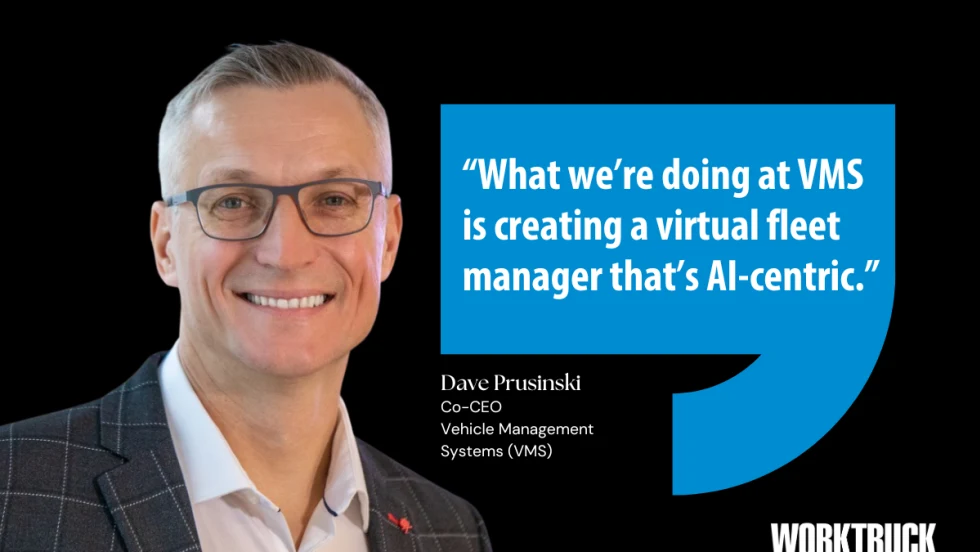
AI, Access, and Uptime: VMS’s Next Chapter with David Prusinski
VMS’s new Co-CEO, David Prusinski, shares how an AI-first approach will give small fleets and repair shops the tools to compete like big players.
Read More →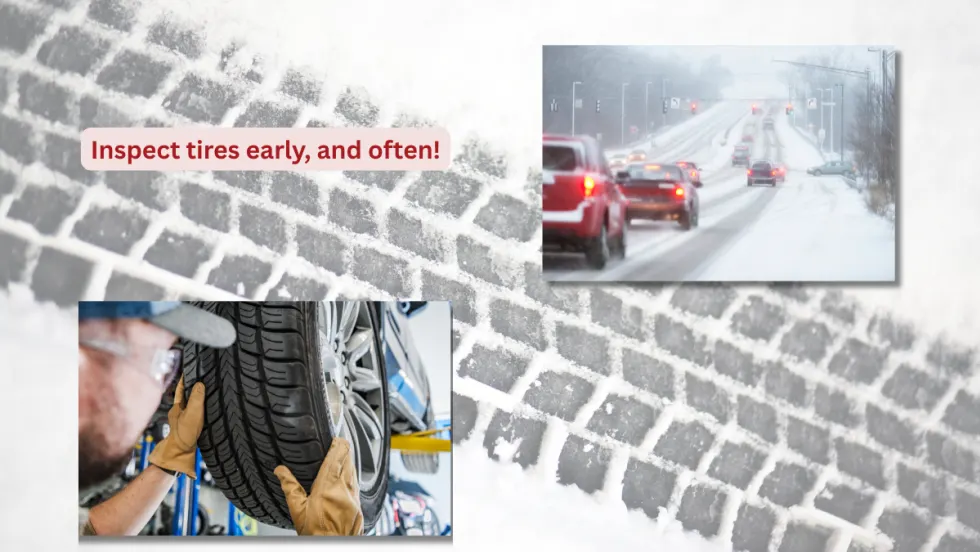
Fleet Managers Share Winter Prep Tips: It's Never Too Early!
Three fleets share best practices to prep vehicles for winter and prevent downtime when the cold sets in.
Read More →