




DHL Drivers Sue Over Independent Contractor Status
Lawsuit is the latest challenge to independent contractor arrangements in the courier industry.
Three drivers for package delivery service DHL have filed a class action lawsuit in Sacramento Superior Court against the company, according to a May 31 press release from Teamsters Local 150 and a May 14 report in the Sacramento Bee. The suit challenges the illegal classification of many of DHL drivers as independent contractors and demands payment of back wages and employee expenses going back four years. Some DHL delivery drivers don’t work directly for the German-based company, but rather for contractors such as DNM Delivery Solutions. Because of their independent contractor status, DHL can avoid paying drivers overtime wages. This also means independent contractors must bankroll the cost of their delivery vans, gas, vehicle maintenance and repair, payroll services and many other expenses. An organizer for Teamsters Local 150 says independently contracted DHL drivers average between $7 and $9 per hour with no medical benefits, no retirement and no paid sick leave, vacation or holidays. Companies say independent contractors help them save on overhead costs and allow them to exercise greater flexibility in managing their workforce. The lawsuit alleges that even though independent contractors are self-employed business people who pay their own workers' compensation and payroll taxes, their wages and working conditions are strictly controlled without granting the protections and benefits given to employees. A state task force is looking into the misclassification of workers in a number of industries in California, according to a May 14 report in the Sacramento Bee. FedEx Ground has faced numerous similar lawsuits across the country, according to the Bee report. In July a judge in Los Angeles ruled that drivers should have been treated as employees. The company is appealing the decision and argues that independent contractor arrangements are both legal and help foster an entrepreneurial spirit among drivers.
More Small Fleet


Developing Budget-Friendly Driver Safety Programs
From driver training and safety meetings to one-on-one coaching and incentive programs, several small fleets share how they have developed a safety culture with their drivers using low- to no-cost resources.
Read More →
Boosting Last-Mile Fleet Uptime, Safety, and Value with AI Vehicle Inspections
AI-powered inspections are transforming last-mile fleets by replacing manual checks with highly accurate automated scans that detect defects in seconds. By giving fleet operations visibility into the daily condition of their vehicles, you can identify trends over the vehicle’s lifecycle that enable improved procurement decisions, route management, driver training and accountability.
Read More →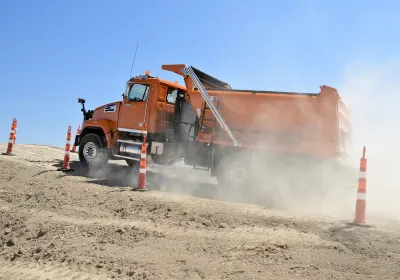

Five Ways Seat Belts Help Prevent Injuries
There are five ways seat belts protect occupants from injuries, according to the Tennessee Department of Safety and Homeland Security.
Read More →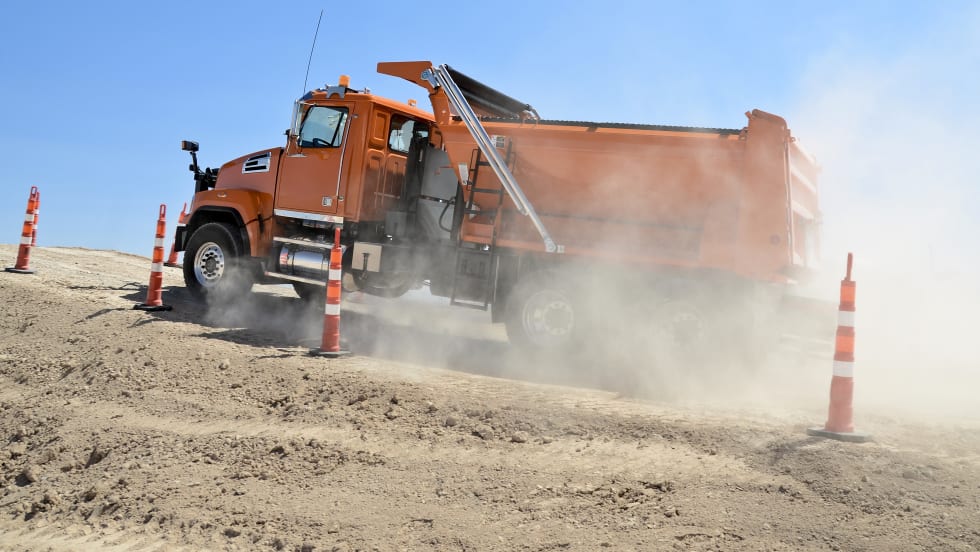
Basic Tracking vs Next Generation Fleet Technology
Fleet software is getting more sophisticated and effective than ever, tying big data models together to transform maintenance, safety, and the value of your existing tech stack. Fleet technology upgrades are undoubtedly an investment, but updated technology can offer a much higher return. Read how upgrading your fleet technology can increase the return on your investment.
Read More →
It’s here: The 2026 Fleet Technology Trends Report
What does AI mean for fleets? Get the answer — and learn other top tech trends.
Read More →
Small Fleets, Big Impact: How Independent Drivers Power Wreaths Across America
Check out how small fleets and independent drivers power Wreaths Across America each December and why their impact matters more than ever.
Read More →
VMS Survey Finds 65% of Small Fleet Managers Run Operations Alone
A new VMS survey shows small fleet managers are stretched thin, with most handling operations solo and eager to adopt digital tools for relief.
Read More →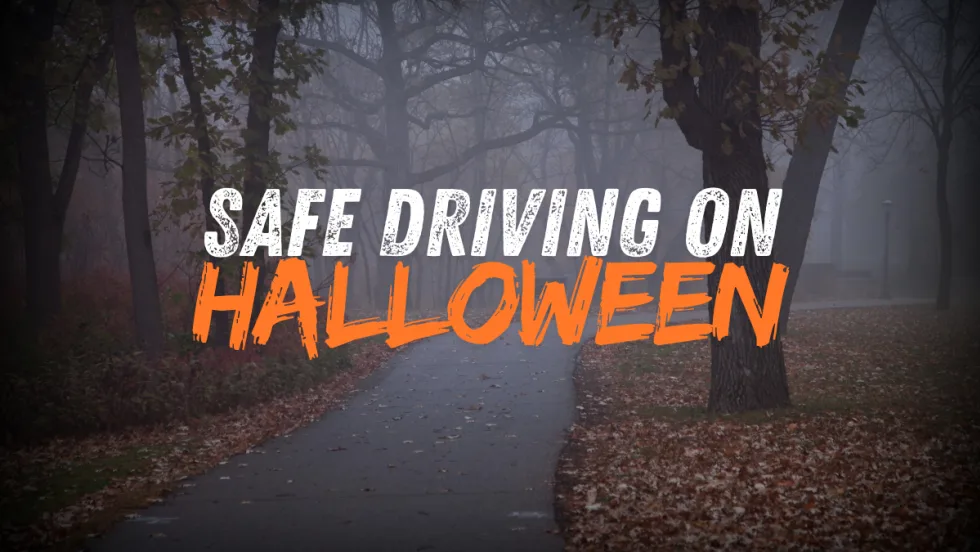
Tips for Driving Safely on Halloween Night
This video features a reminder from the Connecticut Department of Transportation (DOT) and the Connecticut Police Chiefs Association, urging drivers to prioritize safety this Halloween.
Read More →
AI, Access, and Uptime: VMS’s Next Chapter with David Prusinski
VMS’s new Co-CEO, David Prusinski, shares how an AI-first approach will give small fleets and repair shops the tools to compete like big players.
Read More →