




DaimlerChrysler Finalizing Phase One of $88 Million Commitment to the Department of Energy Program
The employees of the CAFCP will log miles on the zero-emissions F-Cell, providing valuable data for future vehicle design.
SACRAMENTO, Calif. – On the heels of a visit from President Bush to the California Fuel Cell Partnership (CAFCP) two weeks ago, DaimlerChrysler has completed the first portion of the $88 million Department of Energy Hydrogen Learning Demonstration Program by delivering on a 30 fuel cell vehicle commitment. The CAFCP becomes the 17th United States customer for a DaimlerChrysler fuel cell vehicle. Through daily operation, the employees of the CAFCP will log miles on the zero-emissions F-Cell, providing valuable data for future vehicle design. The dry climate of Sacramento in Northern California is one of three distinct environments that DaimlerChrysler will utilize to test fuel cell vehicle performance. The Mercedes F-Cell has a range of approximately 100 miles and a top speed of 85 mph. The electric motor develops 88 hp, enabling acceleration from 0 to 60 mph in 16 seconds. The entire fuel cell system is housed in the floor of the vehicle, leaving full use of the passenger and cargo spaces. In addition to several research vehicles, the diverse DaimlerChrysler fuel cell vehicle fleet includes medium-duty fuel cell Dodge Sprinter vans and more than 35 Mercedes-Benz Citaro fuel cell buses, which operate in Europe, the United States, Japan, Australia and Singapore. DaimlerChrysler has more than 25 fuel cell vehicles with customers in California, as well as an additional 100-plus around the world, and has spent more than $1 billion in fuel cell vehicle research and development. DaimlerChrysler pioneered fuel cell vehicle technology more than a decade ago. Fuel cells release energy from the reaction of hydrogen with a catalyst and oxygen. This clean technology operates at a high level of efficiency and is true zero-emissions. Hydrogen-powered fuel cell vehicles emit only pure water vapor as exhaust. Fuel cell vehicles are part of DaimlerChrysler's advanced propulsion technology umbrella, which includes efficient gasoline engines, advanced diesels, Flex-Fuel and hybrid powertrain systems.
More Small Fleet


Developing Budget-Friendly Driver Safety Programs
From driver training and safety meetings to one-on-one coaching and incentive programs, several small fleets share how they have developed a safety culture with their drivers using low- to no-cost resources.
Read More →
Boosting Last-Mile Fleet Uptime, Safety, and Value with AI Vehicle Inspections
AI-powered inspections are transforming last-mile fleets by replacing manual checks with highly accurate automated scans that detect defects in seconds. By giving fleet operations visibility into the daily condition of their vehicles, you can identify trends over the vehicle’s lifecycle that enable improved procurement decisions, route management, driver training and accountability.
Read More →
Five Ways Seat Belts Help Prevent Injuries
There are five ways seat belts protect occupants from injuries, according to the Tennessee Department of Safety and Homeland Security.
Read More →
It’s here: The 2026 Fleet Technology Trends Report
What does AI mean for fleets? Get the answer — and learn other top tech trends.
Read More →
Small Fleets, Big Impact: How Independent Drivers Power Wreaths Across America
Check out how small fleets and independent drivers power Wreaths Across America each December and why their impact matters more than ever.
Read More →
VMS Survey Finds 65% of Small Fleet Managers Run Operations Alone
A new VMS survey shows small fleet managers are stretched thin, with most handling operations solo and eager to adopt digital tools for relief.
Read More →
Tips for Driving Safely on Halloween Night
This video features a reminder from the Connecticut Department of Transportation (DOT) and the Connecticut Police Chiefs Association, urging drivers to prioritize safety this Halloween.
Read More →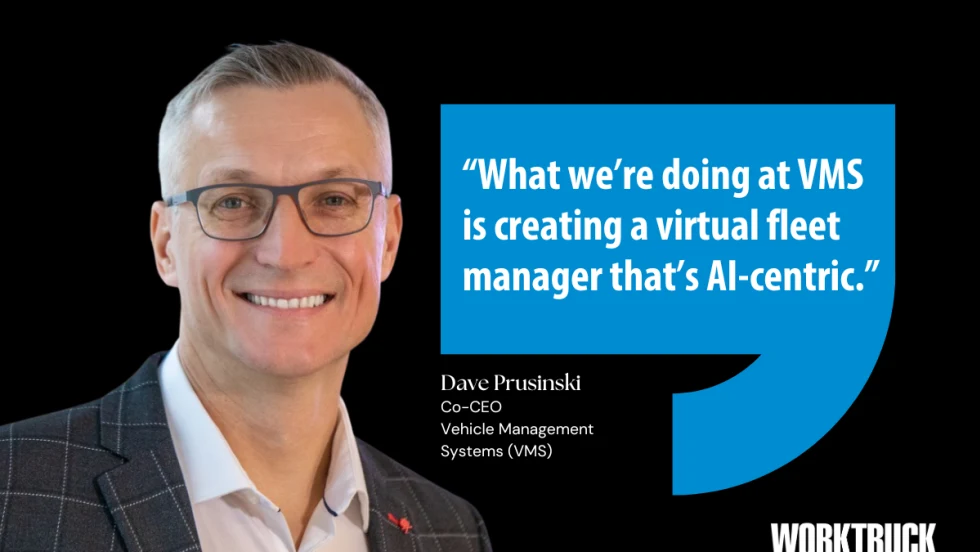
AI, Access, and Uptime: VMS’s Next Chapter with David Prusinski
VMS’s new Co-CEO, David Prusinski, shares how an AI-first approach will give small fleets and repair shops the tools to compete like big players.
Read More →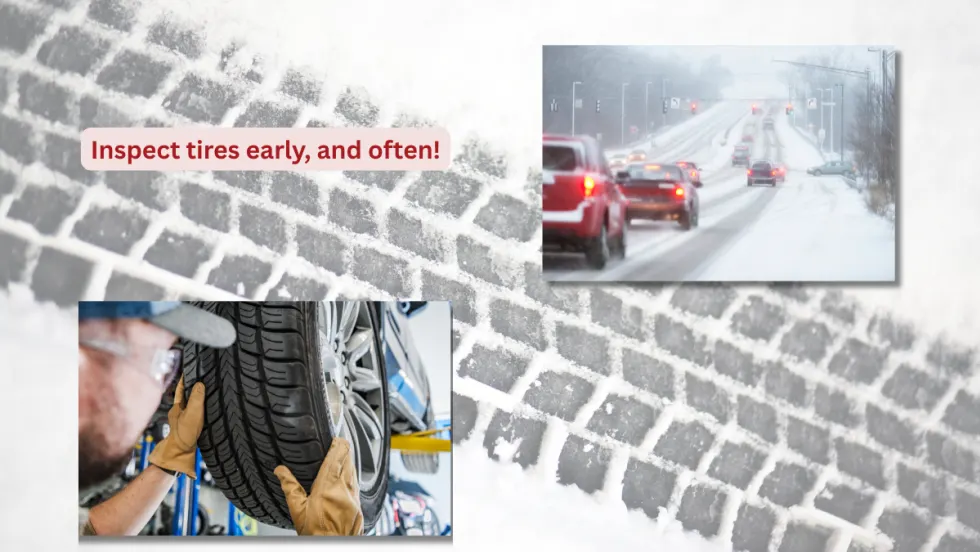
Fleet Managers Share Winter Prep Tips: It's Never Too Early!
Three fleets share best practices to prep vehicles for winter and prevent downtime when the cold sets in.
Read More →