




Continental Teves Achieves Production Milestone for Chassis Technology
Continental Teves, a unit of Continental AG, says it will achieve a production milestone Nov. 1 when its' Morganton facility will produce the five-millionth Electronic Stability Program (ESP) which will be donated to the Henry Ford Museum and Greenfield Village in Dearborn, MI. The unit will be delivered to Robert Casey, curator of transportation at the museum, and will be put on display as a part of a vehicle safety exhibit. “Crash avoidance took a giant step forward in 1998 when we launched ESP,” said Joe Gaus, vice president of electronic brake systems, Continental Teves North America. “The technology was a significant development in the evolution of the automobile and is being recognized as such by being placed in the museum.” According to the company, these vehicle stability systems were first applied to brands as an added safety feature, much like anti-lock brakes (ABS) were once the reserve of luxury marques. However, since the late 1990s ESP has become a popular option on a range of vehicles, including the BMW3-Series, Mercedes-Benz M Class, Volvo XC90, Toyota Sequoia, Lincoln LS, Ford Expedition, Explorer, Focus and the Volkswagen Beetle. “One of the most significant automotive trends of the past 25 years has been the increasing use of electronic devices and microprocessors,” Casey said. According to the National Highway Traffic Safety Administration (NHTSA), more than 10,000 people are killed annually in vehicle rollover accidents and most of these fatalities were preventable. The agency notes that technologies like Continental Teves’ ESP are promising because they help motorists maintain vehicle control during extreme steering maneuvers. The Continental Teves ESP uses computer controlled electronic sensors to significantly enhance vehicle stability in all three primary areas of vehicle performance: accelerating, cornering and braking. The ESP brakes individual wheels and reduces engine torque to correct understeer and oversteer, thereby helping vehicles stay on the road. It works in conjunction with anti-lock brakes and traction control technologies to improve driver control by keeping wheels from locking during hard braking or braking on slippery surfaces and by controlling wheel spin during acceleration. Continental Teves said it sold 1.4 million units to automakers in 2000, 2.0 million units in 2001, 2.6 million in 2002 and thus far orders for 3.4 million units in 2003. The company anticipates six percent of model year 2002 passenger cars, light trucks and sport utility vehicles (SUVs) will be equipped with ESP; that number is projected to increase more than 20 percent for model year 2006. In Europe, acceptance is even greater, with ESP installation rates expected to grow from 29 percent of model year 2002 passenger cars, light trucks and SUVs to more than 35 percent for 2006. Continental Teves, headquartered in Frankfurt/Main Germany, is a unit of Continental AG, Hanover, Germany. Continental Teves’ North American component is headquartered in Auburn Hills, Mich.
More Small Fleet


Developing Budget-Friendly Driver Safety Programs
From driver training and safety meetings to one-on-one coaching and incentive programs, several small fleets share how they have developed a safety culture with their drivers using low- to no-cost resources.
Read More →
Boosting Last-Mile Fleet Uptime, Safety, and Value with AI Vehicle Inspections
AI-powered inspections are transforming last-mile fleets by replacing manual checks with highly accurate automated scans that detect defects in seconds. By giving fleet operations visibility into the daily condition of their vehicles, you can identify trends over the vehicle’s lifecycle that enable improved procurement decisions, route management, driver training and accountability.
Read More →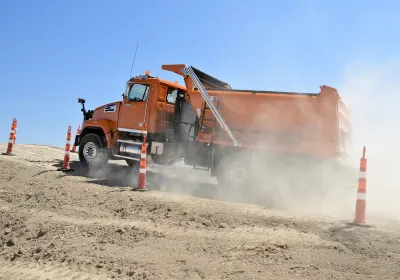

Five Ways Seat Belts Help Prevent Injuries
There are five ways seat belts protect occupants from injuries, according to the Tennessee Department of Safety and Homeland Security.
Read More →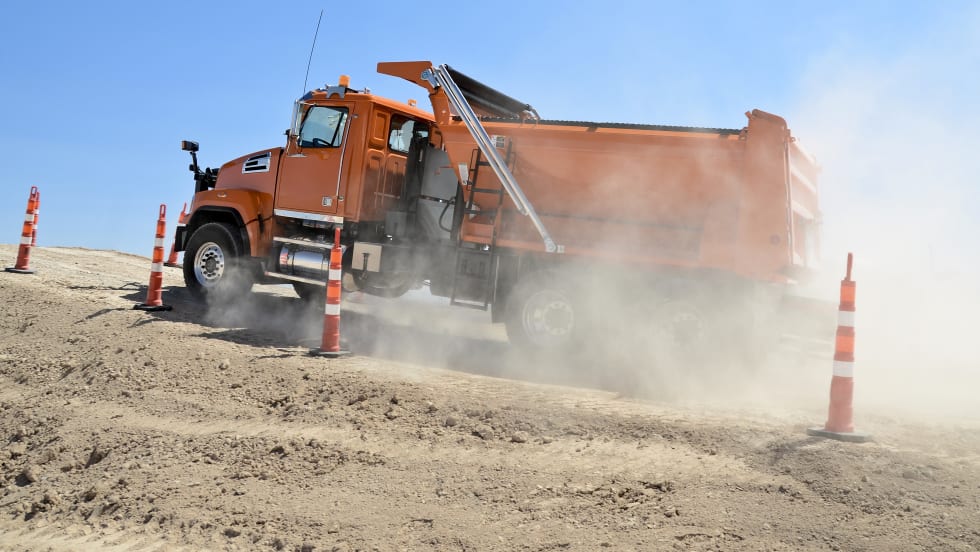
Basic Tracking vs Next Generation Fleet Technology
Fleet software is getting more sophisticated and effective than ever, tying big data models together to transform maintenance, safety, and the value of your existing tech stack. Fleet technology upgrades are undoubtedly an investment, but updated technology can offer a much higher return. Read how upgrading your fleet technology can increase the return on your investment.
Read More →
It’s here: The 2026 Fleet Technology Trends Report
What does AI mean for fleets? Get the answer — and learn other top tech trends.
Read More →
Small Fleets, Big Impact: How Independent Drivers Power Wreaths Across America
Check out how small fleets and independent drivers power Wreaths Across America each December and why their impact matters more than ever.
Read More →
VMS Survey Finds 65% of Small Fleet Managers Run Operations Alone
A new VMS survey shows small fleet managers are stretched thin, with most handling operations solo and eager to adopt digital tools for relief.
Read More →
Tips for Driving Safely on Halloween Night
This video features a reminder from the Connecticut Department of Transportation (DOT) and the Connecticut Police Chiefs Association, urging drivers to prioritize safety this Halloween.
Read More →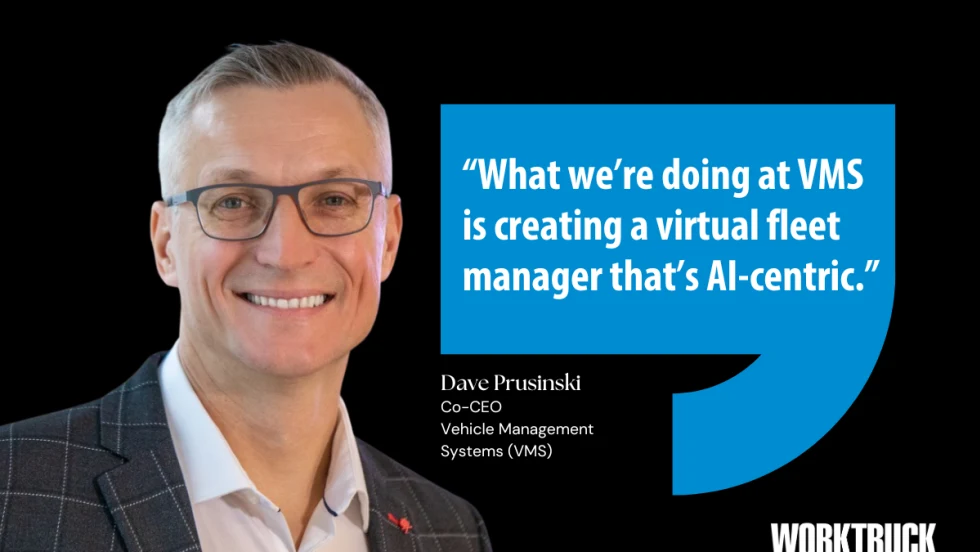
AI, Access, and Uptime: VMS’s Next Chapter with David Prusinski
VMS’s new Co-CEO, David Prusinski, shares how an AI-first approach will give small fleets and repair shops the tools to compete like big players.
Read More →