Computerized safety systems that can stop skids and halt rollovers could reduce traffic fatalities by 30 percent or more over the next five to 10 years, according to a report in the Dallas Morning News. Active safety systems are becoming ever-present in new vehicles. Most automakers offer electronic suspension control, and over the next year or two, some will also install systems that apply the brakes if the car approaches traffic or other objects too fast. Other systems will beep or vibrate the driver's seat if the driver wanders out of his lane. And if a collision is deemed unavoidable, many will cinch down seat belts and even shut open sunroofs. While consumers seem interested in the systems, most are not willing to give up control of their cars, the report says. "The vast majority say in our surveys that they want the ability to turn them off," Mike Marshall senior research manager of automotive emerging technology at J.D. Power and Associates Inc, told the Dallas Morning News. "At least at this point, consumers want the ability to choose when they use these systems." Since the mid-1990s, automakers have been working on active safety devices. Most were installed in luxury cars, yet now the systems are moving into the mainstream. GM has announced that its StabiliTrak suspension control system and OnStar telematics system will be standard equipment on almost all of its cars and trucks by 2010. In surveys, consumers say they want safer vehicles. But many may be reluctant to pay more than $500 for the systems, said J.D. Power's Mr. Marshall. "Having a distinguished car with style still sells cars first," said Dean Granger, general manager of Park Place Motorcars in Dallas, a Mercedes-Benz dealership. "But safety is probably second."
Consumers Want Ability to Turn Safety Systems Off
While consumers seem interested in active safety systems, most are not willing to give up control of their cars, according to J.D. Power research.
More Small Fleet

Why Fleet Managers Are Replacing Departmental Vehicles with Shared Motor Pools
Departmentally assigned vehicles often create hidden costs through underutilization, poor visibility, and increased administrative burden. This white paper explores how shared motor pool strategies help fleets reduce costs, improve accountability, and optimize vehicle utilization.
Read More →
Boosting Last-Mile Fleet Uptime, Safety, and Value with AI Vehicle Inspections
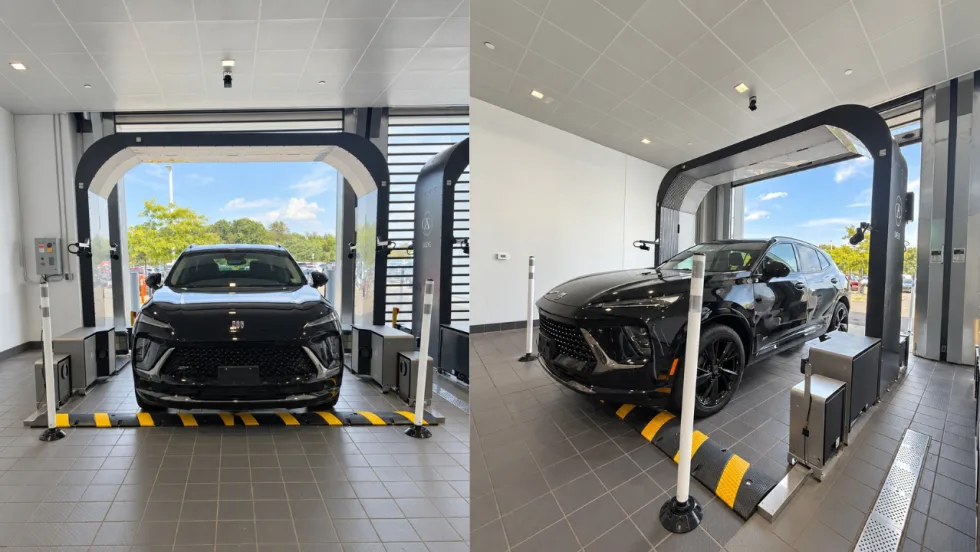
AI-powered inspections are transforming last-mile fleets by replacing manual checks with highly accurate automated scans that detect defects in seconds. By giving fleet operations visibility into the daily condition of their vehicles, you can identify trends over the vehicle’s lifecycle that enable improved procurement decisions, route management, driver training and accountability.
Read More →Report: How AI Is Reshaping Fleet and Field Service Operations
AI is moving beyond the back office and into the driver’s seat of work truck and field service operations. New research shows fleets are using AI to improve predictive maintenance, optimize dispatch and routing, reduce downtime, and boost technician productivity, while also tackling challenges around workforce adoption and data readiness. Discover the trends, technologies, and real-world use cases shaping the future of connected work truck fleets.
Read More →
Five Ways Seat Belts Help Prevent Injuries
There are five ways seat belts protect occupants from injuries, according to the Tennessee Department of Safety and Homeland Security.
Read More →
It’s here: The 2026 Fleet Technology Trends Report
What does AI mean for fleets? Get the answer — and learn other top tech trends.
Read More →
Small Fleets, Big Impact: How Independent Drivers Power Wreaths Across America
Check out how small fleets and independent drivers power Wreaths Across America each December and why their impact matters more than ever.
Read More →
VMS Survey Finds 65% of Small Fleet Managers Run Operations Alone
A new VMS survey shows small fleet managers are stretched thin, with most handling operations solo and eager to adopt digital tools for relief.
Read More →
Tips for Driving Safely on Halloween Night
This video features a reminder from the Connecticut Department of Transportation (DOT) and the Connecticut Police Chiefs Association, urging drivers to prioritize safety this Halloween.
Read More →
AI, Access, and Uptime: VMS’s Next Chapter with David Prusinski
VMS’s new Co-CEO, David Prusinski, shares how an AI-first approach will give small fleets and repair shops the tools to compete like big players.
Read More →
Fleet Managers Share Winter Prep Tips: It's Never Too Early!
Three fleets share best practices to prep vehicles for winter and prevent downtime when the cold sets in.
Read More →