




Cell Phone Conversation Creates Distraction: National Safety Council
A new study suggests that hands-free cell phones may be of limited utility in making the devices safe to use while driving. Conversing on hands-free cell phones while driving can lead to significant decreases in driving performance, according to the new study, reported in the August/September 2001 issue of the National Safety Council's Injury Insights magazine. The study found that equal levels of driver distraction due to cell phones can occur regardless of whether hand-held or hands-free cell phones are used, and that cell phone conversations create much higher levels of driver distractions than listening to the radio or audio books. According to the study's authors, the findings suggest that legislative initiatives that restrict hand-held devices, but permit hands-free devices, in motor vehicles are not likely to significantly reduce driver distractions associated with cell phone conversations. "This study adds new data to the ongoing national debate on driver distractions and their causes," said the president of the National Safety Council, Alan McMillan. "It underscores the importance of reiterating that a driver's primary obligation is to operate his or her motor vehicle safely. "A great deal more research like this is needed to help us fully understand the public policy implications of the growing use of cell phones and other electronic devices - such as global positioning systems, faxes and computers - in moving vehicles," McMillan said. The research was conducted by David Strayer, Frank Drews, Robert Albert and William Johnston at the University of Utah. The study used 64 participants in controlled, simulated driving conditions. The research participants were randomly assigned to listen and change radio stations, listen to audio books, engage in conversations while holding cell phones, and engage in conversations using hands-free cell phones. The subjects were presented with a series of driving tasks, such as braking for red lights, and their responsiveness and reaction time to these driving tasks were measured. The study found that the subjects involved in phone conversations showed significantly slower responses to traffic signals and missed signals entirely much more often than subjects who were listening to the radio or a book on tape. There was no measurable difference, however, in driver responses among those subjects using hand-held phones and those using hands-free devices. According to the authors, this indicates that the loss of responsiveness motorists experience while using cell phones is not due solely to holding or dialing a phone. The scientists concluded that it was the active engagement in a conversation that caused the higher levels of driver distraction.
More Small Fleet

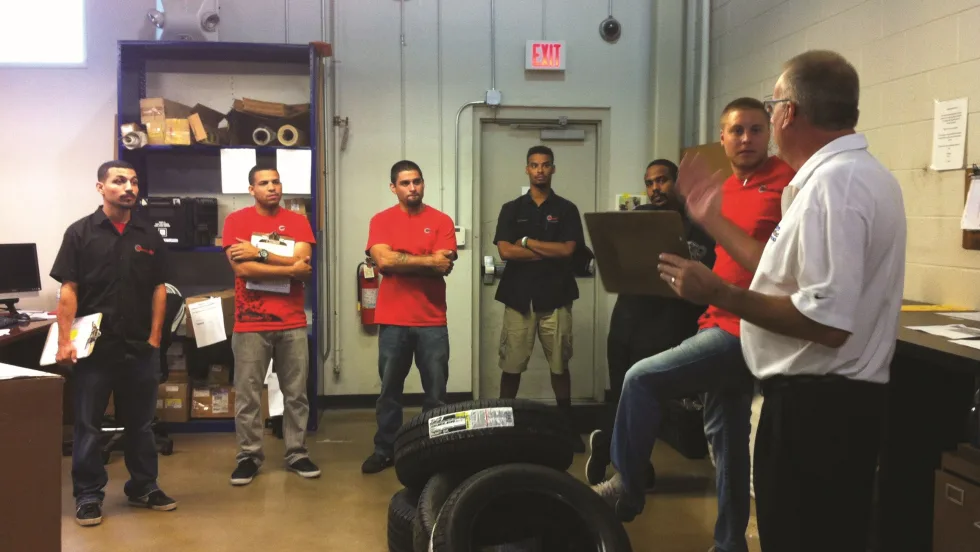
Developing Budget-Friendly Driver Safety Programs
From driver training and safety meetings to one-on-one coaching and incentive programs, several small fleets share how they have developed a safety culture with their drivers using low- to no-cost resources.
Read More →
Boosting Last-Mile Fleet Uptime, Safety, and Value with AI Vehicle Inspections
AI-powered inspections are transforming last-mile fleets by replacing manual checks with highly accurate automated scans that detect defects in seconds. By giving fleet operations visibility into the daily condition of their vehicles, you can identify trends over the vehicle’s lifecycle that enable improved procurement decisions, route management, driver training and accountability.
Read More →

Five Ways Seat Belts Help Prevent Injuries
There are five ways seat belts protect occupants from injuries, according to the Tennessee Department of Safety and Homeland Security.
Read More →
Basic Tracking vs Next Generation Fleet Technology
Fleet software is getting more sophisticated and effective than ever, tying big data models together to transform maintenance, safety, and the value of your existing tech stack. Fleet technology upgrades are undoubtedly an investment, but updated technology can offer a much higher return. Read how upgrading your fleet technology can increase the return on your investment.
Read More →
It’s here: The 2026 Fleet Technology Trends Report
What does AI mean for fleets? Get the answer — and learn other top tech trends.
Read More →
Small Fleets, Big Impact: How Independent Drivers Power Wreaths Across America
Check out how small fleets and independent drivers power Wreaths Across America each December and why their impact matters more than ever.
Read More →
VMS Survey Finds 65% of Small Fleet Managers Run Operations Alone
A new VMS survey shows small fleet managers are stretched thin, with most handling operations solo and eager to adopt digital tools for relief.
Read More →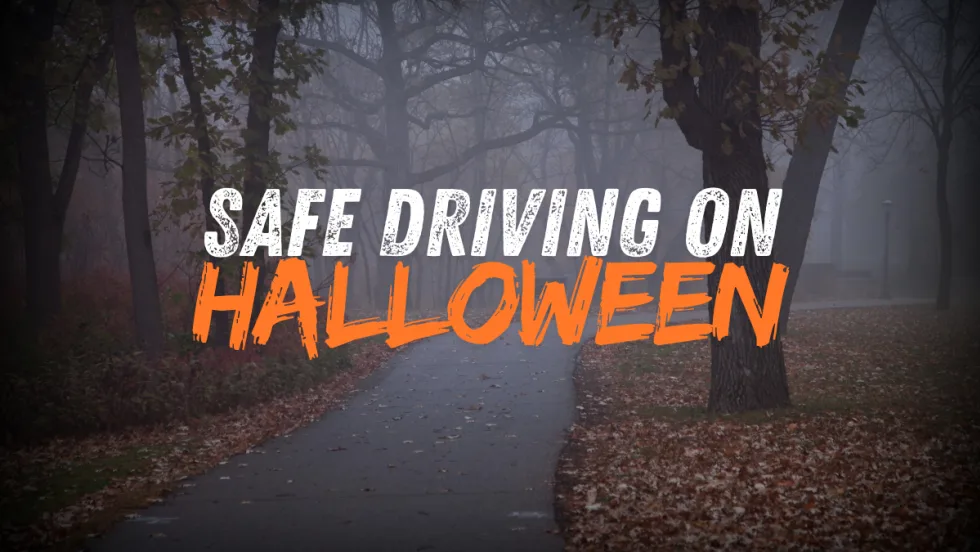
Tips for Driving Safely on Halloween Night
This video features a reminder from the Connecticut Department of Transportation (DOT) and the Connecticut Police Chiefs Association, urging drivers to prioritize safety this Halloween.
Read More →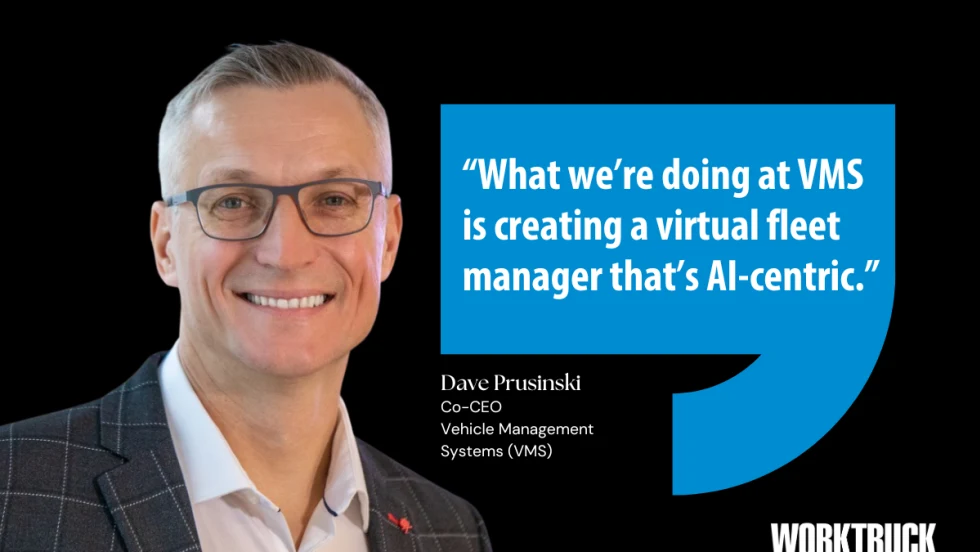
AI, Access, and Uptime: VMS’s Next Chapter with David Prusinski
VMS’s new Co-CEO, David Prusinski, shares how an AI-first approach will give small fleets and repair shops the tools to compete like big players.
Read More →