




Bipartisan Infrastructure Plan Aims to Fund Projects Through Loans
While details on President Trump’s $1 trillion Infrastructure plan may still be weeks away, two senators, Mark R. Warner (D-Va.) and Roy Blunt (R-Mo.), have introduced a bipartisan infrastructure funding plan.

Logo via BRIDGE Act Summary

Logo via BRIDGE Act Summary
While details on President Trump’s $1 trillion Infrastructure plan may still be weeks away, two senators, Mark R. Warner (D-Va.) and Roy Blunt (R-Mo.), have introduced a bipartisan infrastructure funding plan.
The Building and Renewing Infrastructure for Development and Growth in Employment (BRIDGE) Act is designed to address a national investment shortfall in maintaining and improving the transportation network. The plan seeks to provide a financing tool to state and local governments and spur infrastructure projects and create new jobs.
“As we mark the fifth annual Infrastructure Week, we must think boldly and make real investments in our nation’s infrastructure rather than kick the can down the road with short-term fixes,” said Sen. Warner in a press release. “The BRIDGE Act offers a bold, bipartisan solution to help address our infrastructure needs by incentivizing private investment and pairing it with public resources.”
The bill proposes establishing a financing authority – similar to a bank – called the Infrastructure Financing Authority, which would provide loans and loan guarantees to help state and local governments fund the most economically viable projects. The government would provide the bank with initial seed funding of up to $10 billion. This $10 billion could be used to make possible $300 billion or more in total project investment, according to the authors of the bill, and is structured to be self-sustaining over time, without requiring additional federal funding.
The IFA would be a government-owned entity that would operate independently of any federal agency, according to a BRIDGE Act Summary. It would be led by a chief executive officer and board of directors consisting of seven voting members appointed by the executive and legislative branches of government.
Projects submitted to the IFA board would undergo analysis to show a clear public benefit and meet economic, technical and environmental standards. They must also prove that they are backed by a dedicated revenue stream and the project must be at least $50 million and be of national or regional significance to qualify.
In order to stay self-sufficient, the IFA would establish fees for loans and loan guarantees. These fees would be in the form of application fees or transaction fees and could include an interest rate premium associated with the load or load guarantee. The initial $10 billion in funding would also earn interest to offset the cost of loans to the federal government and to cover administrative costs.
Originally posted on Automotive Fleet
More Operations

Family Ties Inside the Fleet Families Building Careers Across Generations
Three fleet families share what it really takes to work together, learn across generations, and keep business from following them home.
Read More →
Shades of Fleet Call for Voices: Fleet's Hidden Heroes
Fleet’s hidden heroes are often the ones keeping everything moving behind the scenes. September’s Shades of Fleet is looking for dispatchers, coordinators, parts specialists, and other support pros to share their stories.
Read More →
Truck Centers, Inc. Celebrates National Truck Driver Appreciation Week with $1,000 Fuel Card Giveaways
During National Truck Driver Appreciation Week, Truck Centers, Inc. is offering customers a chance to fuel up for free. Customers at all Truck Centers locations can enter to win one of four $1,000 fuel cards from Sept. 14 - 18.
Read More →
Fleet Guides, AI Time-Savers, Truck Tariffs & Fuel Strategy Lead the News
This week’s Truck Chat Cheat Sheet covers new fleet vehicle guides, practical AI use cases, U.S.-Canada truck production, mixed-energy strategy, and more.
Read More →
What Fleet Employers Are Missing When Hiring Veterans
What if some of the strongest candidates for fleet are already out there, but their experience is written in a language our industry does not always recognize?
Read More →
Automotive Fleet Opens 2026 Personal Use Survey for Commercial Fleet Managers
Less than two weeks left! Commercial and corporate fleet managers are invited to share how their organizations handle company vehicle personal-use policies, charges, and driver eligibility.
Read More →
What Resilient Fleets Do Differently When Conditions Change
Fleet resilience is about more than reacting to disruption. Lauren Fletcher talks with AP Fleet’s Alex Coveney about flexibility, planning, scaling, and what helps fleets adapt when business conditions shift.
Read More →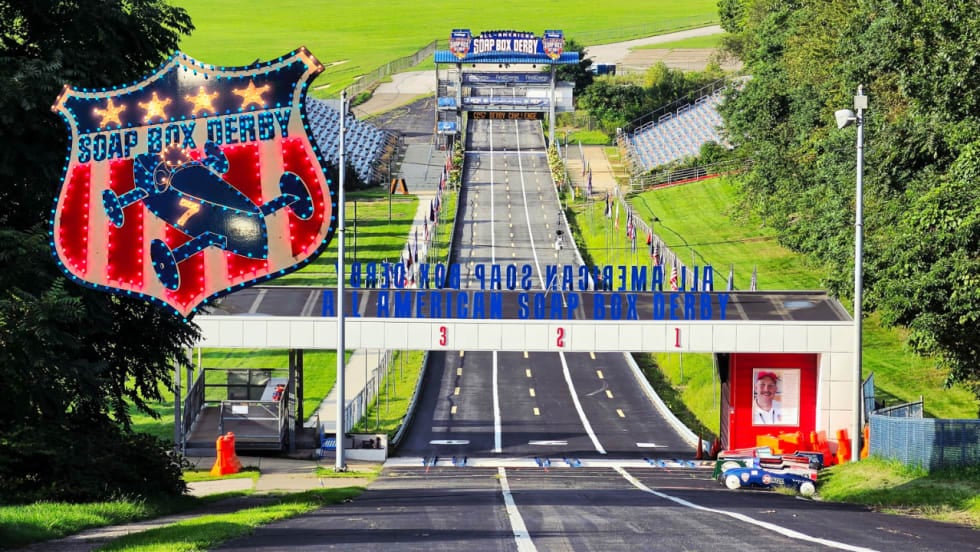
If We Want the Next Generation in Automotive, We Have to Give Them a Reason to Care
The automotive industry talks constantly about its workforce shortage. But before we can recruit the next generation, we may need to do a better job giving kids a reason to care about automotive in the first place.
Read More →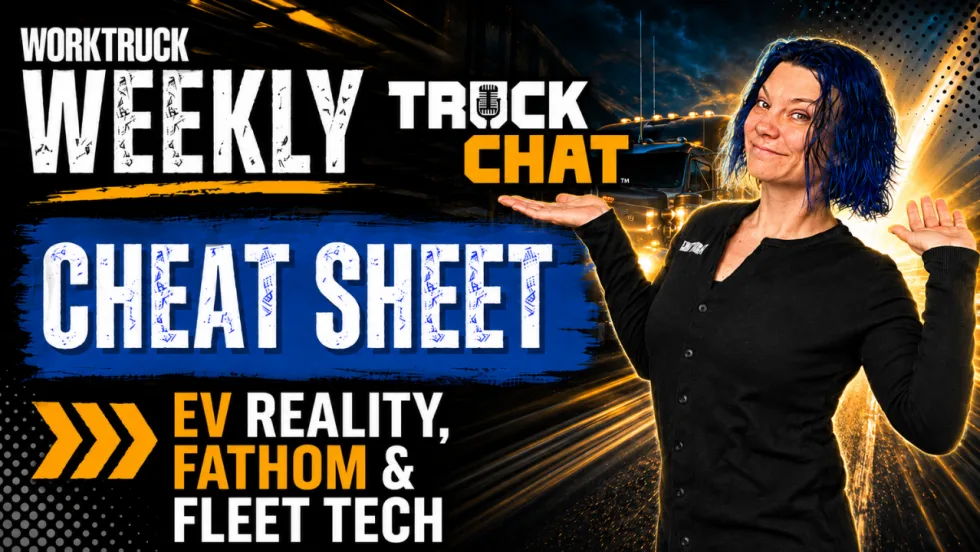
Ram ProMaster City Under $40K, Truck Tariffs, and AI Maintenance Lead the News
A sub-$40K commercial van, tariff questions, AI-powered maintenance, and a new EV production strategy headline this week’s Truck Chat Cheat Sheet.
Read More →
Bob Adamsky Shares the Fleet Lessons You Usually Learn the Hard Way
After more than 30 years in fleet, Arrow International’s Bob Adamsky has learned that the job is about far more than vehicles. He shares the lessons he wishes every fleet manager could learn a little earlier.
Read More →