




Automakers, Dealers Push to Revoke N.Y.’s Vicarious Liability Law
For New York residents, obtaining leased vehicles are becoming increasingly more difficult due to the state’s vicarious liability laws. To date, every major retail bank along with 19 automakers have opted out of vehicle leasing in the state. Vicarious liability laws (a state law) emerged in the 1800s as a way to hold carriage owners at fault for accidents, whether or not they were operating the vehicle. Livery drivers and chauffeurs, penniless in comparison to their employ-ers, could not afford to pay for personal injury or property damages they may have caused, letting the responsibility pass onto vehicle owners. Today, that owner is legally defined as the person or business whose name ap-pears on the vehicle title. In the case of leased vehicles, the owner would be the financial institution providing the lease. This poses a problem for the auto industry because leasing companies have no control over the day-to-day activities of the indi-viduals driving their vehicles. Forty-nine states have recognized this dilemma and have adjusted their respective state regulations to limit the amount of liability for damages caused by negligent drivers. New York is the only state where courts and legislatures have imposed vi-carious liability on companies solely be-cause their names appear on a vehicle’s title, which leaves them greatly exposed to multi-million dollar lawsuits and claims. For consumers, this means less choice and higher payments in a state where 25 percent of new vehicles are leased, reach-ing up to 80 percent at some high-end and metropolitan area dealers. In May, the Alliance of Automobile Manufacturers and the Greater New York Automobile Dealers Association released information stating that consumers are paying an additional $130 million a year in sales taxes and acquisition fees. Also, be-cause of the antiquated law, new car and light truck leasing declined by 36 percent in the state, twice the national average. Mid-size pickups saw a reduction of 89 percent. Although the unavailability of leases is costing some dealers business, several automakers that no longer lease vehicles have begun to offer “balloon” loans as alternatives. Like leases, these loans feature lower monthly payments and, at the end of the contract, consumers can either make a large final payment or return the vehicle altogether. These payments tend to be higher than leases, however, because sales tax is paid on the entire vehicle value rather than just a portion. On the legislative end, A.1042, a bill sponsored by Assemblyman Ronald Canestrari (D-Albany), would declare the driver of a leased vehicle to be the owner in any lease of more than one year. Two others, one by State Senator Own Johnson (R-West Babylon), would limit liability to $300,000 per accident or repeal vicarious liability for leasing purposes. All are pend-ing in the State Assembly.
More Small Fleet

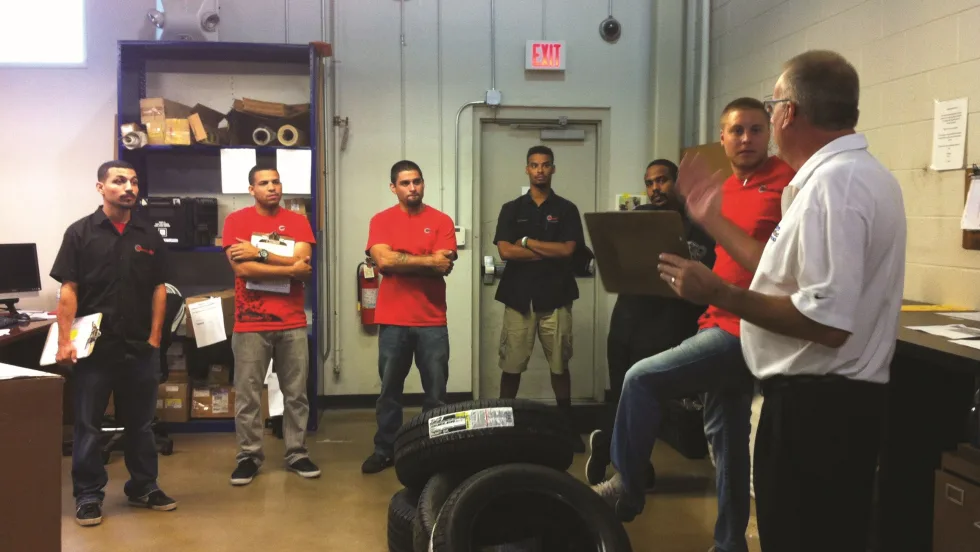
Developing Budget-Friendly Driver Safety Programs
From driver training and safety meetings to one-on-one coaching and incentive programs, several small fleets share how they have developed a safety culture with their drivers using low- to no-cost resources.
Read More →
Boosting Last-Mile Fleet Uptime, Safety, and Value with AI Vehicle Inspections
AI-powered inspections are transforming last-mile fleets by replacing manual checks with highly accurate automated scans that detect defects in seconds. By giving fleet operations visibility into the daily condition of their vehicles, you can identify trends over the vehicle’s lifecycle that enable improved procurement decisions, route management, driver training and accountability.
Read More →

Five Ways Seat Belts Help Prevent Injuries
There are five ways seat belts protect occupants from injuries, according to the Tennessee Department of Safety and Homeland Security.
Read More →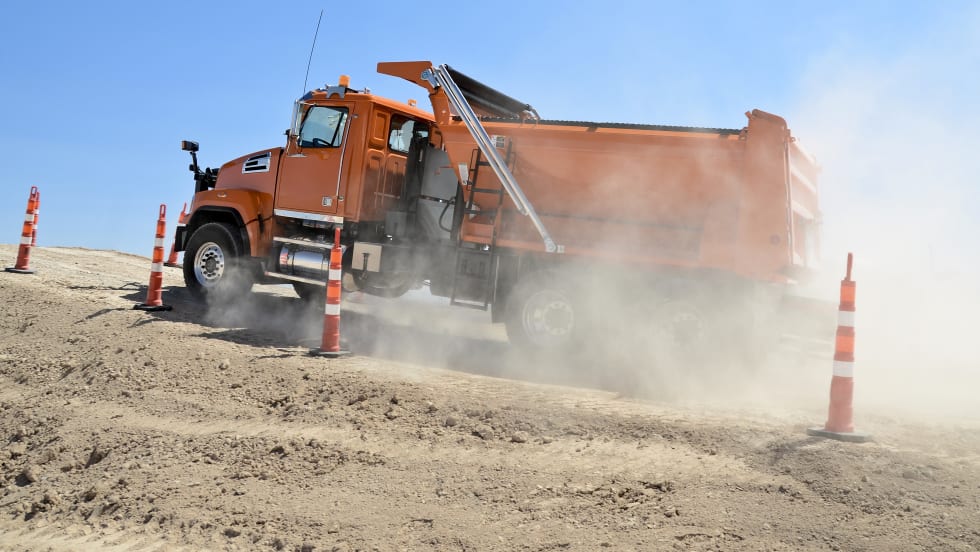
Basic Tracking vs Next Generation Fleet Technology
Fleet software is getting more sophisticated and effective than ever, tying big data models together to transform maintenance, safety, and the value of your existing tech stack. Fleet technology upgrades are undoubtedly an investment, but updated technology can offer a much higher return. Read how upgrading your fleet technology can increase the return on your investment.
Read More →
It’s here: The 2026 Fleet Technology Trends Report
What does AI mean for fleets? Get the answer — and learn other top tech trends.
Read More →
Small Fleets, Big Impact: How Independent Drivers Power Wreaths Across America
Check out how small fleets and independent drivers power Wreaths Across America each December and why their impact matters more than ever.
Read More →
VMS Survey Finds 65% of Small Fleet Managers Run Operations Alone
A new VMS survey shows small fleet managers are stretched thin, with most handling operations solo and eager to adopt digital tools for relief.
Read More →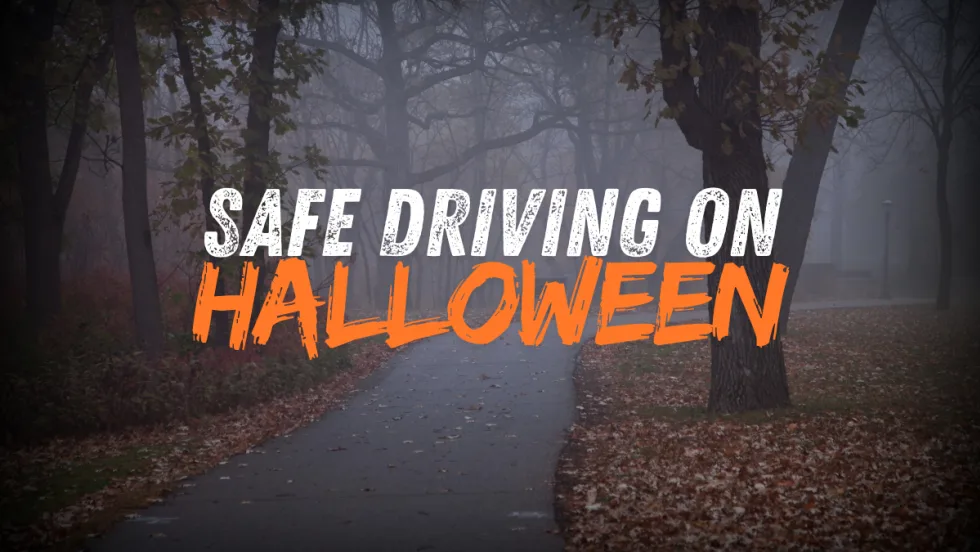
Tips for Driving Safely on Halloween Night
This video features a reminder from the Connecticut Department of Transportation (DOT) and the Connecticut Police Chiefs Association, urging drivers to prioritize safety this Halloween.
Read More →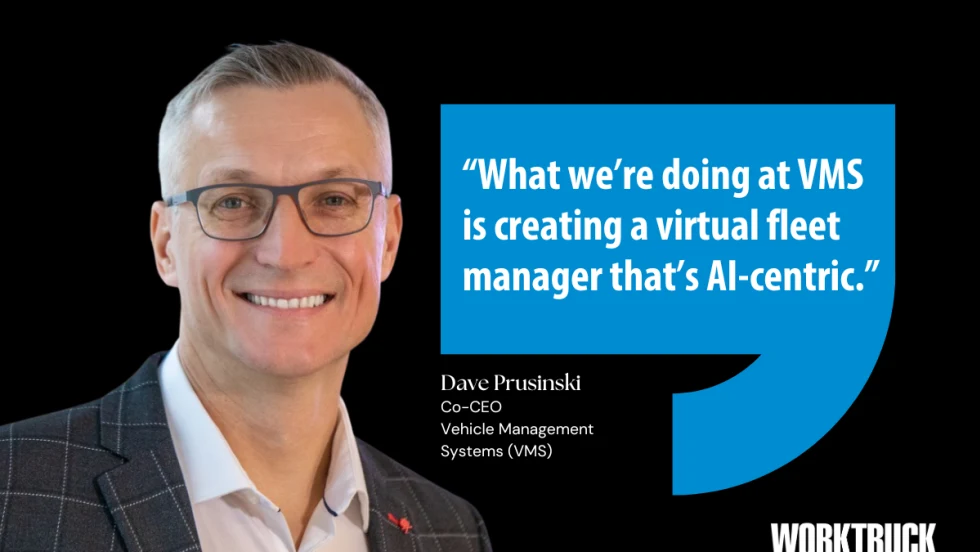
AI, Access, and Uptime: VMS’s Next Chapter with David Prusinski
VMS’s new Co-CEO, David Prusinski, shares how an AI-first approach will give small fleets and repair shops the tools to compete like big players.
Read More →