




All-New Ford Escape Provides More Towing Power Than Competition with EcoBoost Engine
DEARBORN, MI - Packing 237 horsepower and 250 lb.-ft. of torque, the optional 2.0L EcoBoost engine in the all-new 2013 Ford Escape enables the vehicle to tow 3,500 pounds.
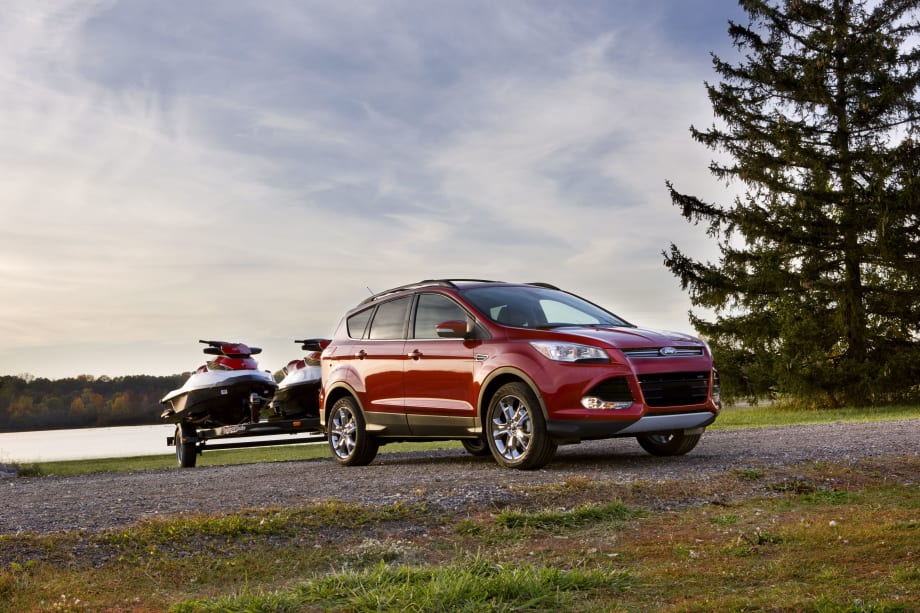
The all-new 2013 Ford Escape enables the vehicle to tow 3,500 lbs. - best in class among small SUVs with turbocharged four-cylinder engines.
DEARBORN, MI - Packing 237 horsepower and 250 lb.-ft. of torque, the optional 2.0L EcoBoost engine in the all-new 2013 Ford Escape enables the vehicle to tow 3,500 lbs. - best in class among small SUVs with turbocharged four-cylinder engines.
The 2.0L EcoBoost engine delivers the ultimate combination of fuel economy, performance and capability that SUV customers with active lifestyles need in today's environment of record-high fuel prices.
Escape's greater towing capability is roughly equal to two jet skis or a snowmobile and the trailer they ride on. The ability to carry greater loads will save Escape drivers both time and fuel by reducing the number of trips needed. Travel is also made safer with trailer sway control, a class-exclusive feature among small SUVs with turbocharged four-cylinder engines.
The 2.0-liter EcoBoost engine replaces the 3.0-liter V6 engine in the current Escape with no loss of performance and with fuel economy to be higher than the V6's 19 mpg city, 25 mpg highway EPA rating.
"Smaller-displacement engines have a fundamental efficiency advantage," said Roger Maynard, Powertrain supervisor for the 2013 Ford Escape. "These inherent efficiencies are improved with the EcoBoost technology of direct fuel injection and turbocharging."
The all-new Escape will be available with a choice of three four-cylinder engines. In addition to the 2.0-liter EcoBoost, Escape will be offered with a 1.6-liter EcoBoost four-cylinder rated at 177 horsepower and a naturally aspirated 2.5-liter four-cylinder cranking out 171 horsepower. All three engines are mated to a fuel-saving six-speed automatic transmission. Escape also features EPAS - electric power-assisted steering - a fuel-saver as well.
The EcoBoost Difference
EcoBoost has been a popular choice among customers since the EcoBoost V6 engine was introduced in 2009 in the Ford Taurus SHO and Lincoln MKS. Last year, Ford sold more than 127,000 EcoBoost-equipped vehicles.
Using some of the same technologies found in diesel engines, EcoBoost can improve fuel economy by as much as 20 percent over larger, conventional engines. This year, Ford is expanding its EcoBoost engine technology to not only Escape but Fusion as well.
These engines are fundamental to the Ford strategy of providing technologically advanced, high-output, smaller-displacement powertrains that deliver exceptional fuel economy and uncompromised performance for millions of drivers around the world. By next year, more than 90 percent of Ford's North American lineup will be available with EcoBoost technology. Ford holds more than 125 patents on this engine technology.
The all-new Escape comes to dealerships later this spring. The current Escape is the best- selling sport utility vehicle in the United States.
More Operations
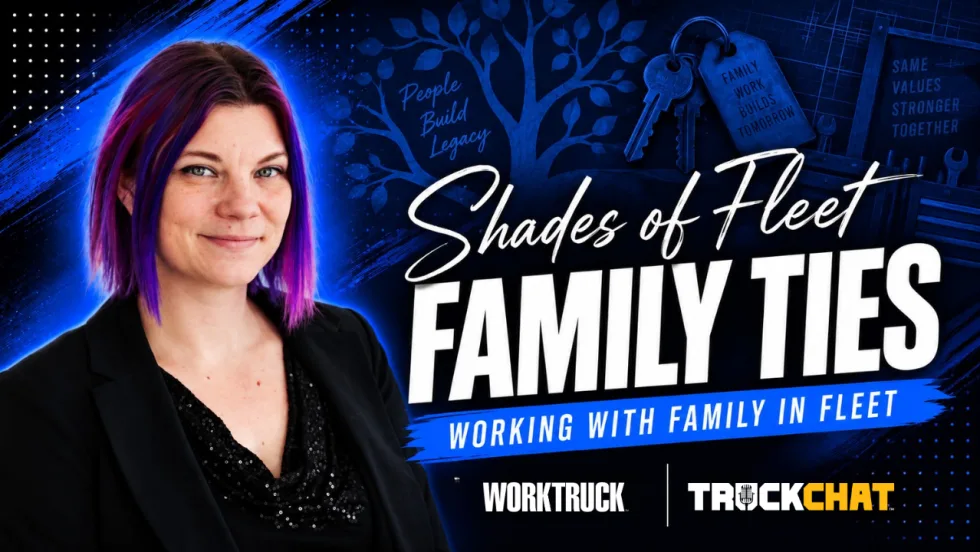
Family Ties Inside the Fleet Families Building Careers Across Generations
Three fleet families share what it really takes to work together, learn across generations, and keep business from following them home.
Read More →
Shades of Fleet Call for Voices: Fleet's Hidden Heroes
Fleet’s hidden heroes are often the ones keeping everything moving behind the scenes. September’s Shades of Fleet is looking for dispatchers, coordinators, parts specialists, and other support pros to share their stories.
Read More →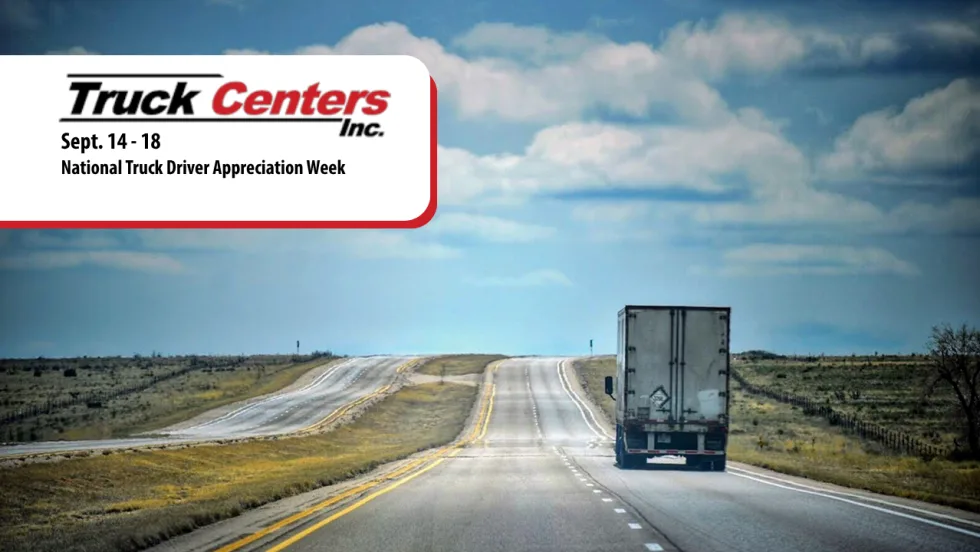
Truck Centers, Inc. Celebrates National Truck Driver Appreciation Week with $1,000 Fuel Card Giveaways
During National Truck Driver Appreciation Week, Truck Centers, Inc. is offering customers a chance to fuel up for free. Customers at all Truck Centers locations can enter to win one of four $1,000 fuel cards from Sept. 14 - 18.
Read More →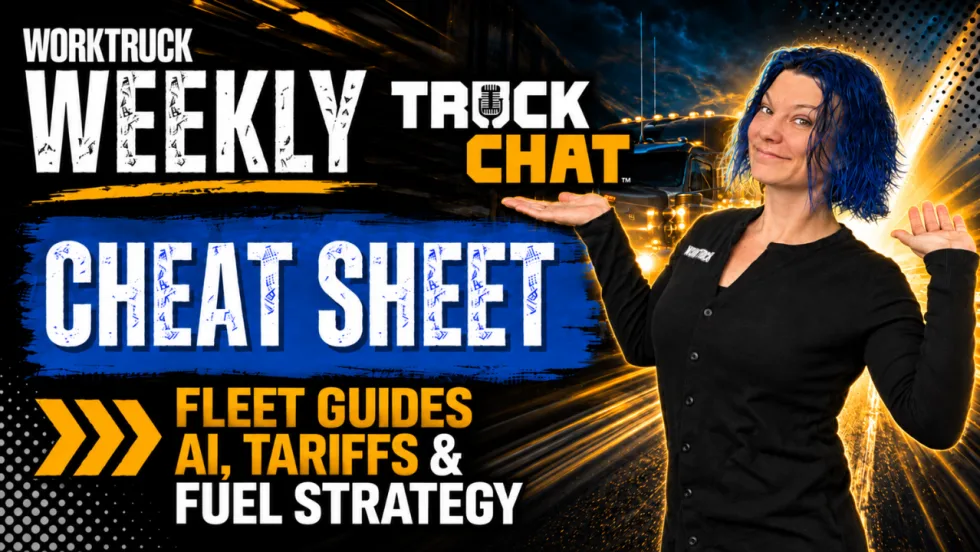
Fleet Guides, AI Time-Savers, Truck Tariffs & Fuel Strategy Lead the News
This week’s Truck Chat Cheat Sheet covers new fleet vehicle guides, practical AI use cases, U.S.-Canada truck production, mixed-energy strategy, and more.
Read More →
What Fleet Employers Are Missing When Hiring Veterans
What if some of the strongest candidates for fleet are already out there, but their experience is written in a language our industry does not always recognize?
Read More →
Automotive Fleet Opens 2026 Personal Use Survey for Commercial Fleet Managers
Less than two weeks left! Commercial and corporate fleet managers are invited to share how their organizations handle company vehicle personal-use policies, charges, and driver eligibility.
Read More →
What Resilient Fleets Do Differently When Conditions Change
Fleet resilience is about more than reacting to disruption. Lauren Fletcher talks with AP Fleet’s Alex Coveney about flexibility, planning, scaling, and what helps fleets adapt when business conditions shift.
Read More →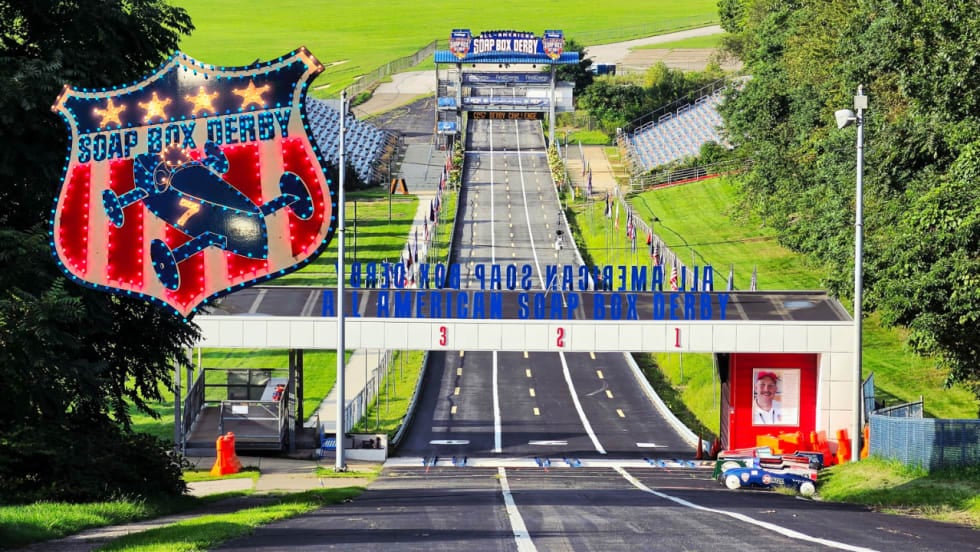
If We Want the Next Generation in Automotive, We Have to Give Them a Reason to Care
The automotive industry talks constantly about its workforce shortage. But before we can recruit the next generation, we may need to do a better job giving kids a reason to care about automotive in the first place.
Read More →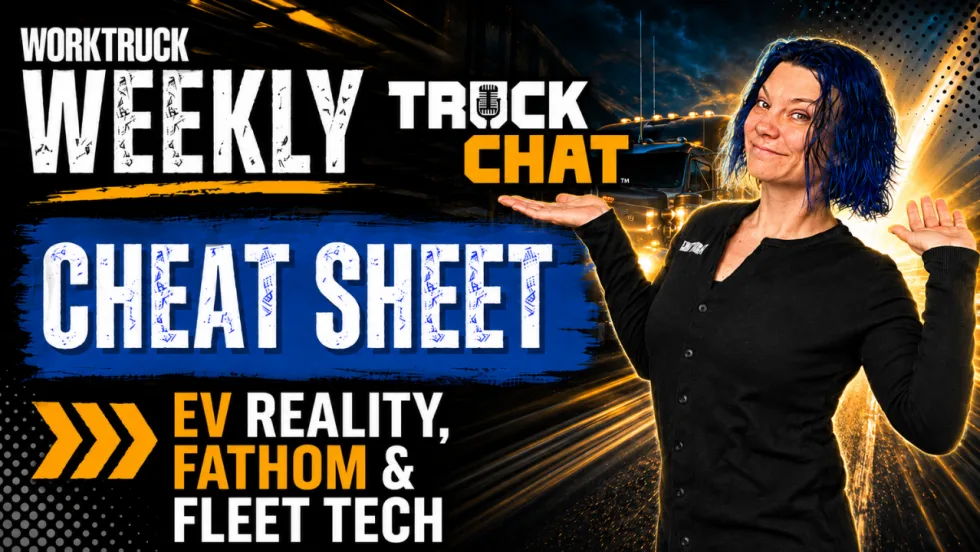
Ram ProMaster City Under $40K, Truck Tariffs, and AI Maintenance Lead the News
A sub-$40K commercial van, tariff questions, AI-powered maintenance, and a new EV production strategy headline this week’s Truck Chat Cheat Sheet.
Read More →
Bob Adamsky Shares the Fleet Lessons You Usually Learn the Hard Way
After more than 30 years in fleet, Arrow International’s Bob Adamsky has learned that the job is about far more than vehicles. He shares the lessons he wishes every fleet manager could learn a little earlier.
Read More →