




Air Bag Safety Tips on Its Anniversary
The airbag turns 20 this month. On July 11, 1984, Elizabeth Dole signed an order requiring all vehicles to have driver's side air bags or automatic seat belts by 1989 and passenger-side bags soon after. The government estimates that 15,000 have been saved by air bags since then, though 242 deaths—many of them children or small women—are blamed on air bags. Automakers paid out millions to settle air bag lawsuits and began installing less forceful devices in 1997. That action, combined with increased seat belt use and placement of infants in back seats, led to a rapid reduction in deaths. In 2003, NHTSA confirmed only six deaths due to airbags. Here are some air bag safety tips, from the National Highway Traffic Safety Administration: Air bags can deploy at well over 100 mph, putting drivers at risk of injury and even death. Some ways to avoid injury: -- Drivers and passengers should always wear seat belts. The combination of an air bag and a seat belt can reduce the risk of death by up to 83 percent. -- Drivers should have at least 10 inches between their breastbone and the center of the steering wheel. -- Children under 12 should always ride in the back seat with a seat belt. -- Never put a rear-facing infant seat in the front passenger seat with an air bag. The seat sits too close to the place where the air bag will deploy. -- Drivers and passengers should put their seats back as far as possible. -- Never place objects on or near the air bag module, as they could cause serious injuries if the air bag deploys. -- If drivers are unable to sit far enough away from the steering wheel or if they must place children or small adults in the front passenger seat, they may be able to obtain an on/off switch for the air bag. Drivers should contact the vehicle manufacturer or dealer and get a permission form from the National Highway Traffic Safety Administration. Pickups, convertibles and other vehicles with little or no back seat should already have on/off switches.
More Small Fleet


Developing Budget-Friendly Driver Safety Programs
From driver training and safety meetings to one-on-one coaching and incentive programs, several small fleets share how they have developed a safety culture with their drivers using low- to no-cost resources.
Read More →
Boosting Last-Mile Fleet Uptime, Safety, and Value with AI Vehicle Inspections
AI-powered inspections are transforming last-mile fleets by replacing manual checks with highly accurate automated scans that detect defects in seconds. By giving fleet operations visibility into the daily condition of their vehicles, you can identify trends over the vehicle’s lifecycle that enable improved procurement decisions, route management, driver training and accountability.
Read More →
Five Ways Seat Belts Help Prevent Injuries
There are five ways seat belts protect occupants from injuries, according to the Tennessee Department of Safety and Homeland Security.
Read More →
It’s here: The 2026 Fleet Technology Trends Report
What does AI mean for fleets? Get the answer — and learn other top tech trends.
Read More →
Small Fleets, Big Impact: How Independent Drivers Power Wreaths Across America
Check out how small fleets and independent drivers power Wreaths Across America each December and why their impact matters more than ever.
Read More →
VMS Survey Finds 65% of Small Fleet Managers Run Operations Alone
A new VMS survey shows small fleet managers are stretched thin, with most handling operations solo and eager to adopt digital tools for relief.
Read More →
Tips for Driving Safely on Halloween Night
This video features a reminder from the Connecticut Department of Transportation (DOT) and the Connecticut Police Chiefs Association, urging drivers to prioritize safety this Halloween.
Read More →
AI, Access, and Uptime: VMS’s Next Chapter with David Prusinski
VMS’s new Co-CEO, David Prusinski, shares how an AI-first approach will give small fleets and repair shops the tools to compete like big players.
Read More →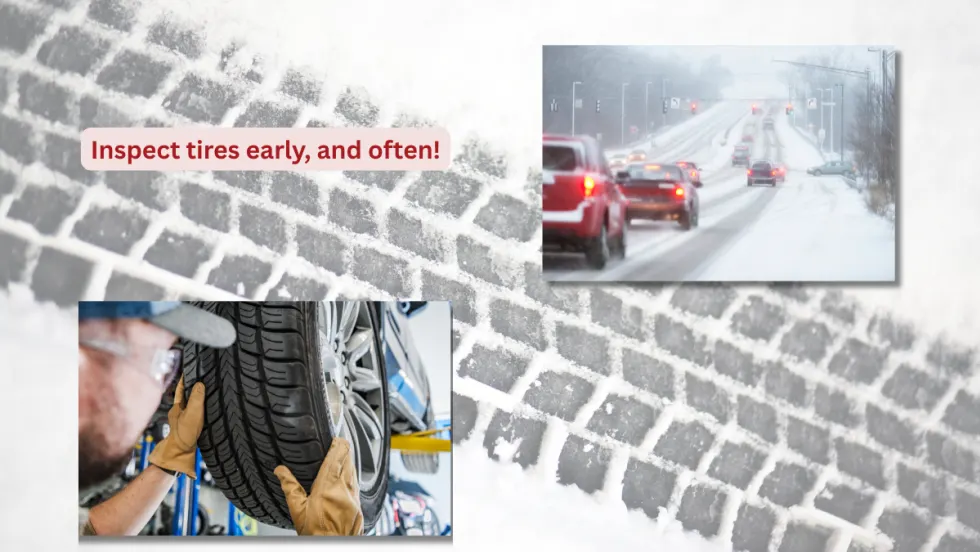
Fleet Managers Share Winter Prep Tips: It's Never Too Early!
Three fleets share best practices to prep vehicles for winter and prevent downtime when the cold sets in.
Read More →