




3 Percent of Motorists Talk on Cell Phones While Driving: NHTSA
About half a million people, or 3 percent of passenger vehicle drivers, are talking on a hand-held cell phone while behind the wheel at any given time on U.S. roads, according to a National Highway Traffic Safety Administration study released yesterday. The research was the first major study by NHTSA of cell phone use and driving. While the research did not address the relationship between cell phone use and accidents, a study earlier this year by the American Automobile Association (AAA) found that cell phones played a role in an estimated 1.5 percent of accidents. NHTSA watched more than 12,000 vehicles at 640 intersections in October and November 2000, recording cell phone use by drivers of passenger cars, vans, sport utility vehicles and pickup trucks. The research covered use of hand-held cell phones, not "hands free" sets that allow drivers to keep both hands firmly on the wheel. The highest rate of hand-held cell phone use observed, 8 percent, was by van and SUV drivers during non-rush hour periods. Use rates by drivers of all types of passenger vehicles were almost twice as high during non-rush hour than rush hour, according to the study. Women drivers used cell phones more frequently than male drivers. This was especially true for female van and SUV drivers, whose cell phone use rate of 6.1 percent was nearly twice that of male drivers, according to NHTSA. There was little difference in cell phone use by drivers between the ages of 16 to 24 and 24 to 69. However, the use by seniors, 70 and over, was 1.4 percent. While the study did not evaluate the role cell phones play in accidents, government data indicate that driver distraction is a contributing factor in 20 percent to 30 percent of all accidents. The controversial AAA study found that wireless phones were not among the top five contributing factors in auto accidents. From the more than 32,000 accidents analyzed, wireless phones contributed to 1.5 percent. However, highway safety and consumer groups suspect the devices play a larger role in crashes than AAA found because they believe there is an understandable reluctance among motorists to admit they were using them at the time of an accident. There are about 118 million mobile telephone subscribers in the United States, according to the Cellular Telecommunications & Internet Association, a leading industry lobbying group.
More Small Fleet


Developing Budget-Friendly Driver Safety Programs
From driver training and safety meetings to one-on-one coaching and incentive programs, several small fleets share how they have developed a safety culture with their drivers using low- to no-cost resources.
Read More →
Boosting Last-Mile Fleet Uptime, Safety, and Value with AI Vehicle Inspections
AI-powered inspections are transforming last-mile fleets by replacing manual checks with highly accurate automated scans that detect defects in seconds. By giving fleet operations visibility into the daily condition of their vehicles, you can identify trends over the vehicle’s lifecycle that enable improved procurement decisions, route management, driver training and accountability.
Read More →
Five Ways Seat Belts Help Prevent Injuries
There are five ways seat belts protect occupants from injuries, according to the Tennessee Department of Safety and Homeland Security.
Read More →
It’s here: The 2026 Fleet Technology Trends Report
What does AI mean for fleets? Get the answer — and learn other top tech trends.
Read More →
Small Fleets, Big Impact: How Independent Drivers Power Wreaths Across America
Check out how small fleets and independent drivers power Wreaths Across America each December and why their impact matters more than ever.
Read More →
VMS Survey Finds 65% of Small Fleet Managers Run Operations Alone
A new VMS survey shows small fleet managers are stretched thin, with most handling operations solo and eager to adopt digital tools for relief.
Read More →
Tips for Driving Safely on Halloween Night
This video features a reminder from the Connecticut Department of Transportation (DOT) and the Connecticut Police Chiefs Association, urging drivers to prioritize safety this Halloween.
Read More →
AI, Access, and Uptime: VMS’s Next Chapter with David Prusinski
VMS’s new Co-CEO, David Prusinski, shares how an AI-first approach will give small fleets and repair shops the tools to compete like big players.
Read More →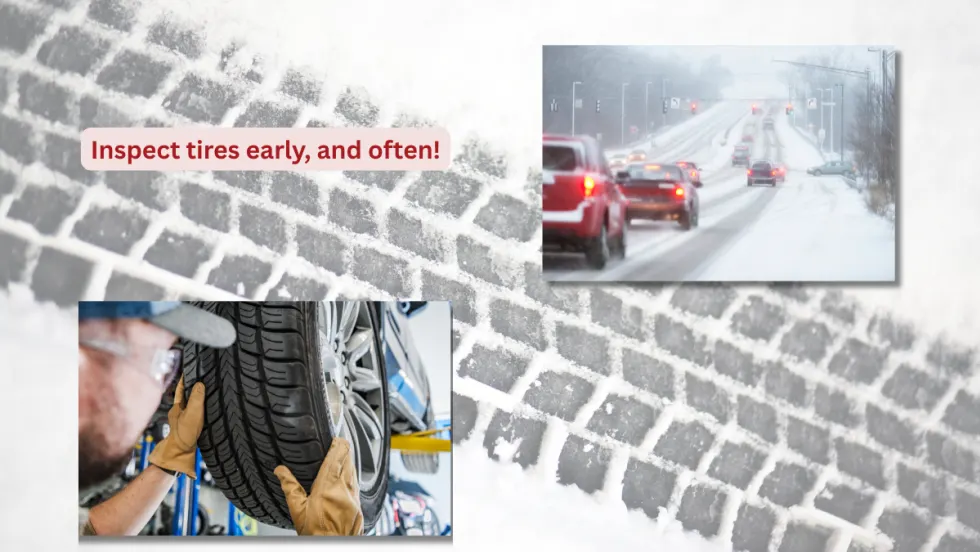
Fleet Managers Share Winter Prep Tips: It's Never Too Early!
Three fleets share best practices to prep vehicles for winter and prevent downtime when the cold sets in.
Read More →