





Learn More: The Case for TPMS for Work Trucks
Safety Sound Off: How Tire-Related Downtime is Like Shoelaces
Your fleet’s drivers not paying attention to their tires before they hit the road would be like not tying your shoelaces before walking a 5k. Both can lead to problems, downtime, and even injury.
November 26, 2025
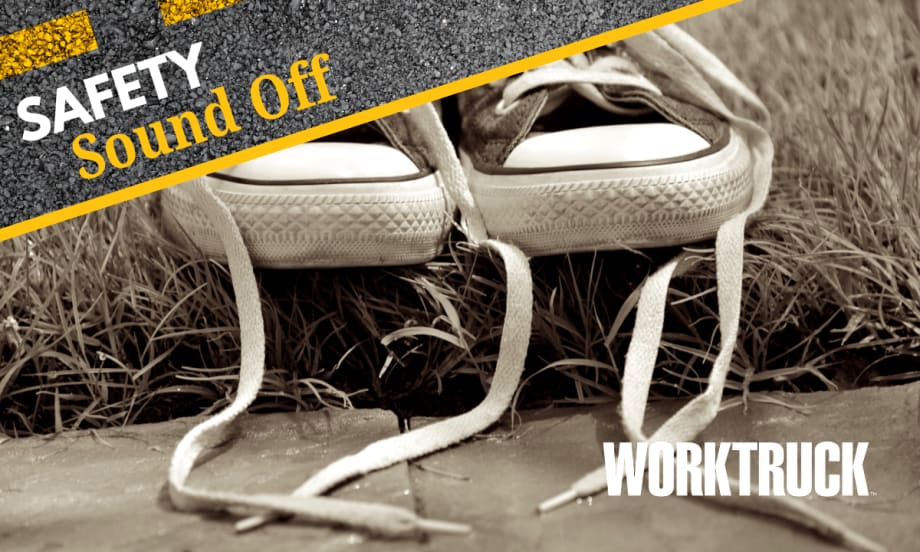
How do untied shoelaces create a preventable problem somewhat similar to a preventable situation in fleets?
Photo: Work Truck
2 min to read
Okay, admit it. As a child, or maybe even as an adult, you have stepped on one of your shoestrings and taken a spill. Totally preventable.
I work from home, but often tell people I have a 5k commute just to see their confusion. I go walk the track every morning at a local park. Have I tripped over my own shoelaces there in the pre-daylight hours?
No.
Have I taken my chances?
Yes.
See, there have been times when a shoelace has come untied, and I would always think, “Let me keep going until the next bench, then I will stop and tie it.” It’s dark, nobody is out there, so nobody sees me wildly swinging one leg wide to the outside or drastically far ahead with every stride so I don’t step on the loosened lace.
I promise this example has ties, no pun intended, to fleet safety. So, stick with me.
Somehow, I have always reached the next bench safely and pulled over to tie my shoe.
Is that any different from what drivers do? Think tires.
If I did a proper pre-trip inspection on my shoelaces, I would notice one appears loose and might come untied.
Do your drivers always, I mean always, do a good pre-trip walkaround, including checking their tires? Some might even suggest they put a tire gauge on each one, but realistically, that would probably be in an ideal fleet world.
So, I reach the next available park bench to tie my shoe, and that is what?
Downtime. Same as with a fleet vehicle.
But, also remember I mentioned wildly swinging one leg in all sorts of directions while avoiding stepping on the lace in order to safely reach that roadside repair spot, the park bench. Do drivers do the same?
Likely. Do they notice a tire problem and think they can stretch it to the next stop, or make it back to the yard and then worry about it? Maybe, but that thought would make fleet managers cringe.
So maybe I make it to my downtime park bench, and maybe they make it safely to the next stop.
I am cheating safety when I don’t stop immediately and tie my shoe. Likewise, they are cheating, or really testing safety, when they don’t stop immediately when they suspect a tire problem.
And really, that immediacy to pull over should apply to any mechanical problems or concerns, whether tires, brakes, lighting, or anything else that becomes an issue during a day on the road.
But all this, in both scenarios, could be prevented with a good pre-trip check of the tires and shoelaces.
Subscribe to Our Newsletter
More Blog Posts
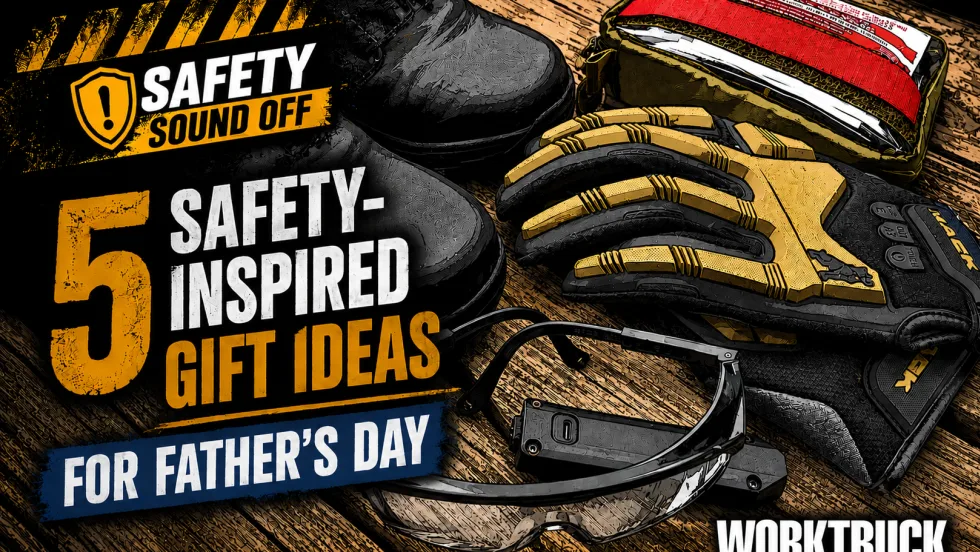
Safety-Inspired Gift Ideas for Father's Day
When it comes time to choose gifts, why not consider safety? Here are some gift ideas for Father’s Day. The five main suggestions are items I own and use regularly, but I also included some additional ideas.
Read More →
Diminished Visibility & Cognitive Demand
I learned firsthand two simple tricks to improve driver visibility in inclement weather and at night, reducing the cognitive challenges of driving in the dark and stormy conditions.
Read More →
7 Safety-Inspired Gift Ideas for Every Truck Owner
Do you know what to get that truck owner in your life as a gift this holiday season? Here are seven gift ideas that might help keep them safer on the road.
Read More →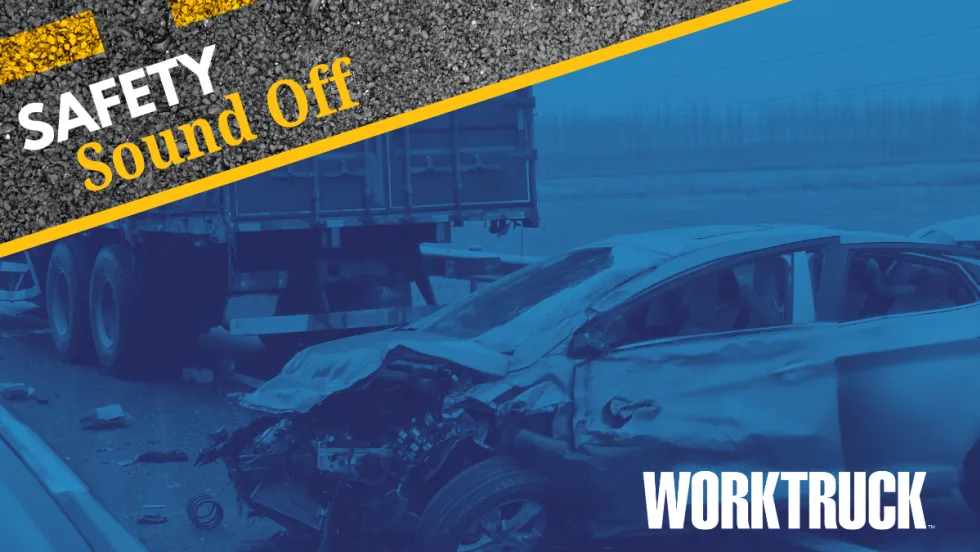
Witnessing the Devastation When Fleet Safety Fails
When fleet safety fails, the anguish and loss is very powerful. Many times a spouse arrives at the crash scene and learns their significant other is gone. If you ever witness that outpouring of grief, you understand fleet safety is far more than just terminology.
Read More →