




Why Driving the Right Work Truck or Van Matters
Manufacturers, dealerships, and work truck marketplaces have to come together to better track and communicate the available work truck inventory.
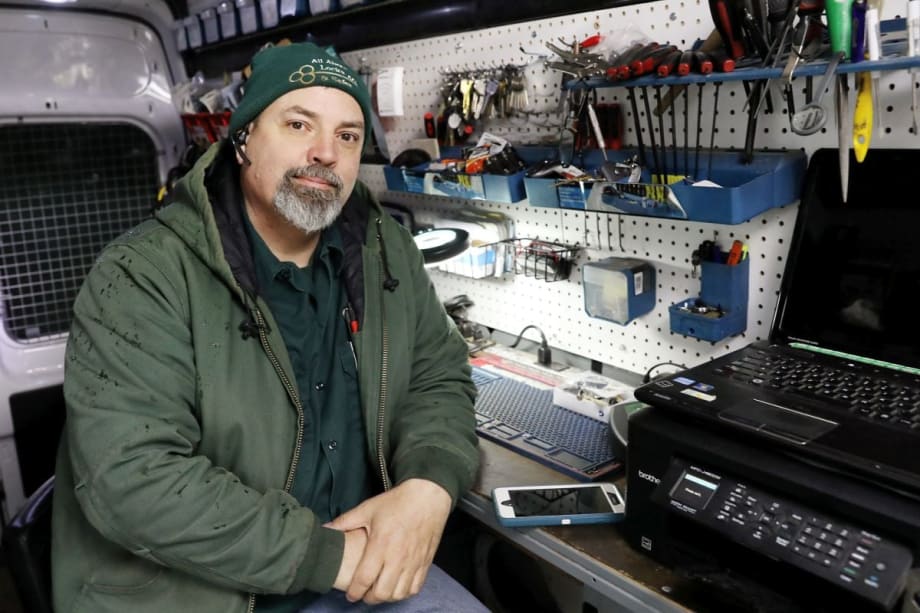
The proper work truck or van decreases operational costs by minimizing the need for modifications and extra upfitting.
Photo: Work Truck Solutions/Comvoy
Work-ready trucks and vans are the driving force behind countless vocational businesses in America.
Pest control specialists, florists, contractors, farmers, delivery truck drivers, and more all rely on customized work trucks and vans to simply complete a day’s work. So much so, that these vehicles touch a majority of the nation’s GDP.
Unfortunately, these small business owners, who depend on these vehicles to maintain and expand their business, often struggle the most with finding exactly what they need. Because of this, they either purchase a vehicle that doesn’t suit their needs or they face thousands of dollars in lost revenue due to a prolonged search.
If a small business owner can identify the needs of their company and purchase the correct work-ready truck or van with a little help from industry resources, they can reduce operational costs, increase productivity, and ultimately scale their business to new levels of success.
The Challenge
First, we need to address a systematic challenge that the $300 billion work truck industry is facing: millions of workers and small businesses who depend on work trucks for their jobs every day cannot quickly and easily find or purchase the right vehicle for their needs. And it starts with manufacturing.
Work trucks are often produced in small batches that are highly-customized for a specific purpose. Up to eight different manufacturers upfit suppliers and dealers touch a single vehicle before it’s finished. Because of this, the work truck industry has made accurate inventory tracking nearly impossible. No single database that accounts for the constantly-changing and complex vehicle inventory, and because of this, small businesses are unable to pinpoint which vehicle is best for their needs.
Forrest Wells of Esplanade Office, an office furniture and delivery provider in Chico, Calif., can attest: “Our process for previously finding trucks was to call local dealerships and then wait for them to find an option that best fit our shared description. When we would hear back, the dealerships would maybe share a vehicle that only hit three or four features on our list of needs. It was really tough and quite a challenge to get the specific vehicle we needed without having to do heavy modifications ourselves.”
To solve this industry-wide problem, manufacturers, dealerships and work truck marketplaces have to come together to better track and communicate the available inventory of these unique vehicles. Small business owners can lean on the following tips and tricks and real-world customer anecdotes to better the search and purchase of their next work truck or van.
1. Ask The Right Questions
Small business owners need to identify their specific vehicle needs. Example questions to consider include: how and when will the vehicle be used, how far will your vehicle travel, what tools will need to be stored, and more.
Bob Ferrari of White Glove Chimney and Air Duct owns and operates a fleet of work trucks for his company. While speaking about the issue he said, “Not everybody does the same jobs. The first thing to ask is, ‘What kind of roads are you gonna go to? Are you gonna have to tow heavy loads? Are you gonna end up pulling a trailer with things like that?’ And if not, then you don’t need a vehicle that’s gonna be capable of that and you can save some money there.”
Knowing what you're looking for is the first step in narrowing down the search for the right vehicle and making it manageable. After all, there are over eight million commercial vehicles produced in the U.S. each year.
2. Conduct Industry Research
Compile industry research on preferred vehicle brands (e.g., Ford, GMC, Chevrolet), chassis build (e.g., box truck, service truck, step van) and upfit manufacturers (e.g., Knapheide, CM Truck Beds, Freedom, etc.) based on your business needs. Compare inventory offerings and prices from a variety of sources; source product reviews from professional associations such as the NTEA; and leverage other small business owners and professionals in your network to curate the ultimate wishlist of features.
Michael Meyers from All About Locks did online research and talked to other locksmiths during his work truck search, all of which helped improve his truck-buying experience. "By pulling together all of this information, I could visualize the work van I needed to hold more inventory, provide better service and get the job done more quickly and efficiently than ever before," Michael said.
3. Come Prepared to Dealerships
After you've done your research, bring your list of vehicle requirements as well as an inspection checklist. Areas to consider for the inspection include: a rust-free and well-maintained vehicle exterior, no fluid leakage from the car, all elements under the hood are included, no unusual sounds while test driving the vehicle, and trying out every function of the work truck, from shifting to turning on the windshield wipers.
Your work truck is the most critical tool in your toolbox. It’s worth taking the extra time to ensure it is fully functional and working without defect.

If a small business owner can identify the needs of their company and purchase the correct work-ready truck or van with a little help from industry resources, they can reduce operational costs, increase productivity, and ultimately scale their business to new levels of success.
Photo: Work Truck Solutions/Comvoy
The Results
These solutions assist vocational small business owners to research, find and buy the right work trucks for their needs. If a business is using the most effective truck for the specific job, “they have more time to get job to job and to get the job done right without rushing,” said Richard Smith from Gecko Pest Control.’
The proper work truck or van decreases operational costs by minimizing the need for modifications and extra upfitting. This also removes overhead costs associated with fleet management by having fewer, better-equipped vehicles.
Productivity levels can also improve because properly-fitted work trucks decrease the time needed per job, improving customer satisfaction, and provides field workers with the tools they need, encouraging higher employee retention.
The work truck and van industry provides more than just vehicles. It propels the business and people who rely on these vehicles forward in their day-to-day work. Small businesses need these vehicles to do their jobs effectively and efficiently. Keep these tips in mind and you’ll set your business up for greater success.
About the Author: Kathryn Schifferle is the founder and CEO of Work Truck Solutions and Comvoy. Her deep understanding of the commercial truck space stems from her role as executive director at the National Ford Truck Club, which she’s held for nearly 13 years. She can be reached at worktrucks@launchsquad.com.
More Operations

Family Ties Inside the Fleet Families Building Careers Across Generations
Three fleet families share what it really takes to work together, learn across generations, and keep business from following them home.
Read More →
Shades of Fleet Call for Voices: Fleet's Hidden Heroes
Fleet’s hidden heroes are often the ones keeping everything moving behind the scenes. September’s Shades of Fleet is looking for dispatchers, coordinators, parts specialists, and other support pros to share their stories.
Read More →
Truck Centers, Inc. Celebrates National Truck Driver Appreciation Week with $1,000 Fuel Card Giveaways
During National Truck Driver Appreciation Week, Truck Centers, Inc. is offering customers a chance to fuel up for free. Customers at all Truck Centers locations can enter to win one of four $1,000 fuel cards from Sept. 14 - 18.
Read More →
Fleet Guides, AI Time-Savers, Truck Tariffs & Fuel Strategy Lead the News
This week’s Truck Chat Cheat Sheet covers new fleet vehicle guides, practical AI use cases, U.S.-Canada truck production, mixed-energy strategy, and more.
Read More →
What Fleet Employers Are Missing When Hiring Veterans
What if some of the strongest candidates for fleet are already out there, but their experience is written in a language our industry does not always recognize?
Read More →
Automotive Fleet Opens 2026 Personal Use Survey for Commercial Fleet Managers
Less than two weeks left! Commercial and corporate fleet managers are invited to share how their organizations handle company vehicle personal-use policies, charges, and driver eligibility.
Read More →
What Resilient Fleets Do Differently When Conditions Change
Fleet resilience is about more than reacting to disruption. Lauren Fletcher talks with AP Fleet’s Alex Coveney about flexibility, planning, scaling, and what helps fleets adapt when business conditions shift.
Read More →
If We Want the Next Generation in Automotive, We Have to Give Them a Reason to Care
The automotive industry talks constantly about its workforce shortage. But before we can recruit the next generation, we may need to do a better job giving kids a reason to care about automotive in the first place.
Read More →
Ram ProMaster City Under $40K, Truck Tariffs, and AI Maintenance Lead the News
A sub-$40K commercial van, tariff questions, AI-powered maintenance, and a new EV production strategy headline this week’s Truck Chat Cheat Sheet.
Read More →
Bob Adamsky Shares the Fleet Lessons You Usually Learn the Hard Way
After more than 30 years in fleet, Arrow International’s Bob Adamsky has learned that the job is about far more than vehicles. He shares the lessons he wishes every fleet manager could learn a little earlier.
Read More →