For truck fleets, compliance is key. Here are some things to consider about hazardous material regulations.
Roselynne Reyes・Senior Editor
September 10, 2018
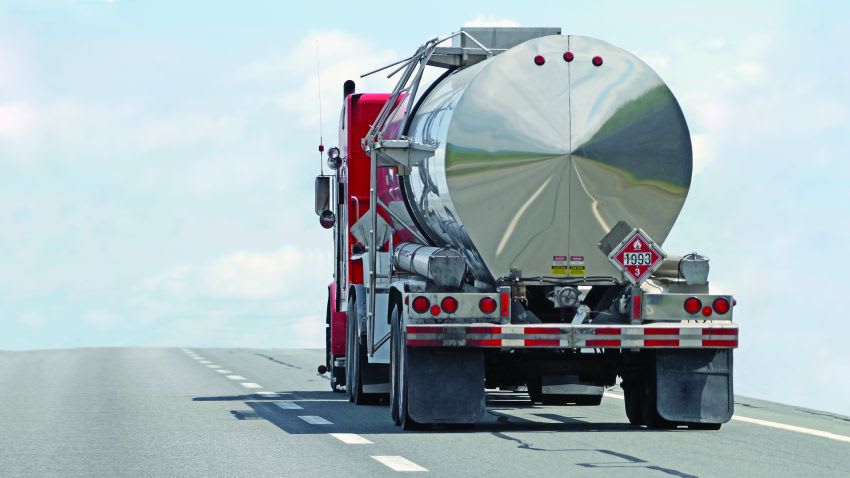
Hazardous material regulations apply to fleets in a variety of industries, regardless of vehicle type.
Photo courtesy of Getty Images
4 min to read
Truck fleets have a lot to consider when planning out and managing their fleet operation, a large part of which includes safety and compliance.
Ad Loading...
The electronic logging device (ELD) may dominate the headlines, but there are many regulations that fleets should pay close attention to in order to ensure compliance.
Ad Loading...
What, exactly, are hazardous materials regulations and which regulations apply to your operation?
Work Truck spoke to Tom Ziebell, a senior editor for J.J. Keller & Associates, Inc., about the regulations, what fleets may not know, and what they should look out for.
When Do Hazmat Regulations Apply?
The Pipeline and Hazardous Materials Safety Administration (PHMSA) hazardous material regulations apply to fleets responsible for the interstate, intrastate, and foreign transportation of hazardous materials by rail car, aircraft, motor vehicle, and vessel.
Anyone considered a “hazmat employee” must receive training on these regulations every three years, or any time job functions change, which may affect the training needed.
Drivers tasked with transporting hazardous materials fall under this distinction, but they are not the only ones. “Hazmat employees” also include anyone who loads, unloads, or handles hazardous materials; manufactures a package or container used for transporting hazardous materials; prepares hazardous materials for transportation; or is responsible for the safe transportation of hazardous materials.
Ad Loading...
Top 5 Hazmat Violations
According to the Federal Motor Carrier Safety Administration, these were the top hazmat violations in fiscal-year 2018:
Package not secure in vehicle.
No copy of DOT Hazmat Registration number.
Shipping paper accessibility.
No or improper shipping papers.
Placard damaged, deteriorated, or obscured.
‘Hazardous Materials’ Covers More Than You Might Think
To understand hazardous material regulations, it is important to understand what is considered a hazardous material.
Ziebell noted that few fleets concern themselves with hazardous material regulations — maybe 10-15% of fleets. But it affects more than you may think.
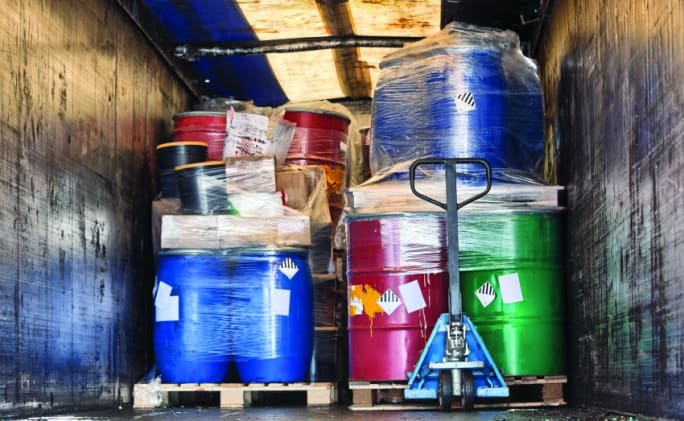
Of course, many vocations may drive around with chemicals needed to get a job done — such as pest control or landscaping. But many everyday items would also fall under the category of hazardous materials, such as acids, bleaches, paints, and even makeup.
Regulations Do Not Cover All Hazardous Materials
Although many things could be considered hazardous materials, not all of them are covered by the regulations.
The Materials of Trade exception refers to any item (other than hazardous waste) that is carried on a motor vehicle to protect the health and safety of an operator, support operation of the motor vehicle or support the motor vehicle for a purpose other than transportation.
Ad Loading...
There is also an exception for limited quantities, which do not always require shipping papers. However, employee training is still required when transporting limited quantities of hazardous materials.
Although some vehicles carrying hazardous materials may look like this, some “everyday items” may also fall under hazmat regulations.
Photo courtesy of Getty Images
Ensure All Bases Are Covered with Training
Employee training must cover several topics:
General awareness with the regulations, including the purpose of the regulation.
Function-specific training, that helps an individual complete his or her job.
Safety training, including basic emergency response procedures.
Security training, which covers the security risks associated with transporting hazardous materials.
New employees are required to complete hazmat training before performing a hazmat job function. They can perform job functions before training is completed, but only if they are under the direct supervision of a properly trained hazmat employee and training is completed in 90 days.
Neither the hazmat regulation nor the U.S. Department of Transportation specifies where training should come from, and there are no certified training courses or schools. Therefore it is the job of the employer (and possibly fleet manager) to stay on top of regulations and determine the best content for training, as well as the best method for conducting this training — such as a lecture, interactive video, or self-paced instruction.
Ad Loading...
Some Regulations Vary by Location
Companies with trucks that transport hazardous materials must pay attention to local laws related to hazmat regulations. States and tribes set their own routing requirements, determining whether hazmat transportation vehicles can access specific roads.
These records are compiled and available on the FMCSA website, which is updated regularly.
Pay Attention to Changes (When They Happen)
Fleets are only required to conduct hazmat training every three years. However, fleet managers should pay attention to any updated rules or regulations as they are announced. Ziebell noted that there are resources out there to keep fleets informed, including J.J. Keller’s newsletter, but staying informed requires effort on the part of the fleet.
When an update comes out, it is important to pay attention at that moment and note when the regulation goes into effect, what it consists of, and who is affected. At the time, you should note these changes and inform any employees affected. These changes may not have to be published as company policy until your next round of training, though it is important to have that information ready to share once training comes around.
The Trump Administration Has Issued Less Changes
Traditionally, six to eight rules are issued by the federal government per year. However, Ziebell noted, this has not been the case with the current administration.
Last year, only two rules were issued. This year, no new rules and one correction have been issued. Several rules have been proposed, but have not made much movement in the approval process.
Ad Loading...
In addition, the PHMSA usually issues a new HM215 rule regularly to create harmonization between any regulations issued over the past two years. It was last issued in 2017 — issued March 2017, although the new rule was effective as of January 2017. The next installment is expected in 2019, though a proposed rule has yet to be released.
Fleet’s hidden heroes are often the ones keeping everything moving behind the scenes. September’s Shades of Fleet is looking for dispatchers, coordinators, parts specialists, and other support pros to share their stories.
During National Truck Driver Appreciation Week, Truck Centers, Inc. is offering customers a chance to fuel up for free. Customers at all Truck Centers locations can enter to win one of four $1,000 fuel cards from Sept. 14 - 18.
This week’s Truck Chat Cheat Sheet covers new fleet vehicle guides, practical AI use cases, U.S.-Canada truck production, mixed-energy strategy, and more.
What if some of the strongest candidates for fleet are already out there, but their experience is written in a language our industry does not always recognize?
Less than two weeks left! Commercial and corporate fleet managers are invited to share how their organizations handle company vehicle personal-use policies, charges, and driver eligibility.
Fleet resilience is about more than reacting to disruption. Lauren Fletcher talks with AP Fleet’s Alex Coveney about flexibility, planning, scaling, and what helps fleets adapt when business conditions shift.
The automotive industry talks constantly about its workforce shortage. But before we can recruit the next generation, we may need to do a better job giving kids a reason to care about automotive in the first place.
After more than 30 years in fleet, Arrow International’s Bob Adamsky has learned that the job is about far more than vehicles. He shares the lessons he wishes every fleet manager could learn a little earlier.