




How Fleet Management Can Attract the Next Generation of Technicians
Fleet and trucking doesn’t work without people, and Cam McGill of Uptake puts it simply: “Employees who don’t feel valued are unlikely to stick around.”

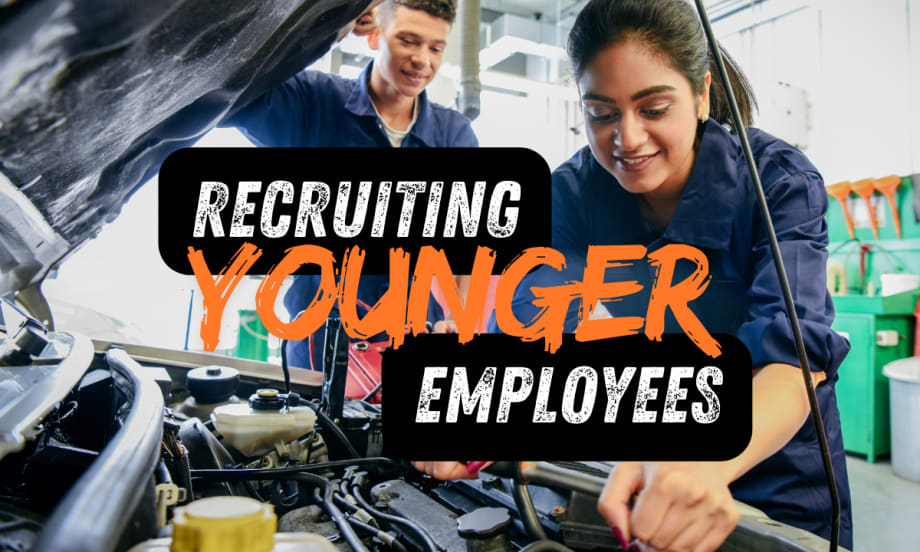
Advanced technology solutions are an attractive benefit to younger technicians, and new solutions are on the rise.
Photo: Work Truck
The fleet industry is in uncharted territory, with technician and driver shortages at an all-time high. These shortages have downstream impacts on everyone.
“When a vehicle needs to be repaired, and there aren’t enough technicians to make necessary repairs, trucks will remain out of service for longer periods, thus not delivering goods,” shared Cam McGill, senior diagnostic technician at Uptake, a data analytics company.
When repairs take a long time, drivers can't make money or use their trucks, leading to unhappiness and industry departures. This shortage causes supply chain issues, affecting consumers' ability to buy goods. Fewer technicians mean longer truck downtime and fewer drivers mean longer delivery times, significantly impacting consumers' availability and increasing prices.
But in all this chaos, a light shines through. Advanced technology solutions are an attractive benefit to younger technicians, and new solutions are on the rise.
Imagine a world where experienced technicians can diagnose and repair vehicles remotely, and predictive analytics not only predict breakdowns but also guide maintenance crews in real time. With the support of virtual mentorship and data-driven insights, fleets are not just surviving chaos—they are confidently navigating toward a new era of technological and operational excellence.
McGill shared with Work Truck how these solutions aren’t just a reaction to industry problems but a step change to a more efficient and resilient future for fleet management.
Virtual Technicians Enter the Automotive Scene
For most commercial fleets, the days of paper tracking are long gone, and even spreadsheets often no longer do the trick. Advanced dashboards and data analytics are the daily go-to's. Technology is clearly part of many of the day-to-day aspects of modern fleet management. But one area in which technology is making a major impact right now and one that you need to be aware of? Virtual technicians.
“Virtual technicians are individuals who have likely spent years in fleet maintenance, turning wrenches, diagnosing, and repairing various truck systems,” McGill explained. “In their day-to-day roles, virtual techs assist multiple different technicians in the diagnostic and repair process of a vehicle, enabling the repair process to become more efficient through support that helps technicians make the correct repairs.”
Working remotely enables virtual technicians to efficiently service multiple vehicles and shops daily, resulting in increased productivity and cost savings.
“By leveraging their extensive experience in the fleet repair industry, virtual technicians can impart valuable knowledge to younger technicians, enhancing their skills in performing accurate and effective repairs,” McGill said.
Plus, virtual technicians play a crucial role in training and mentoring younger technicians. They have a deep understanding of modern truck systems, which helps them effectively teach younger technicians about these complex systems.
Harnessing Technology for Smarter Fleet Operations
Predictive analytics solutions offer a holistic view into various issues occurring within a vehicle at any given time.
“The prescriptiveness that comes with seeing each fleet's insights through recommended actions and supporting evidence enables easy decision-making so users can take immediate action, even without having robust knowledge of fleet maintenance,” McGill noted.
By acting on the insights from predictive analytics solutions, fleets will see breakdown reduction and mitigate unplanned maintenance events.
No solution is without challenges. According to McGill, the initial challenge with integrating a virtual technician is that you will often lose some on-the-ground talent in your shops as the virtual technician gets accustomed to their new role.
“Fleets should keep in mind that this is a short-term impact and will provide efficiencies in the long term. Fleets should also have this mindset when implementing predictive analytics. Many companies have strategies to make the adoption process seamless, such as integrating the new technology into existing systems,” McGill said.
One of the commonalities that many virtual technicians possess is the ability to look for trending issues within a fleet.
“There have been many times where I’ve witnessed this skill lead to the virtual technician identifying a trend and creating technical service bulletins distributed throughout a maintenance organization, thus streamlining the repair process,” McGill shared.
He noted that finding and surfacing these issues can be very tedious and time-consuming, but “this is where predictive analytics can play a pivotal role in tangibly surfacing this data without manually sorting through mountains of data.”
Focusing on Attracting New Grads to Fleet
Trucking is a non-stop industry, often operating 24/7, 365 days a year, which makes maintaining a healthy work-life balance crucial. With the right work ethic, there are many opportunities in the fleet industry.
“New graduates who start as a technician might find themselves working toward becoming a maintenance manager or technical trainer for their fleet,” McGill explained. “With the ever-growing presence of new technologies in our space, new career paths will be established, like the virtual technician role. This change should serve fleets well as it pertains to attracting new talent interested in growing tech or AI-focused skills.”
According to McGill, training programs, while very beneficial and in some cases necessary, cannot replace the value of on-the-job, hands-on training.
“With that being said, long-term retention of technicians and drivers requires a company investing in their employees, and supplemental training programs are one avenue fleets can utilize to retain some of their most valuable assets,” he added.
McGill noted that aftertreatment or vehicle emissions training is one important example.
“It helps technicians and drivers understand how vehicles operate and how components like aftertreatment impact day-to-day operations. This training will also help ensure the long-term health of a fleet’s assets,” he said.
Once you have new talent, a mentorship program for new hires in their respective fields provides structure for junior talent to stay engaged in their roles, making the onboarding process seamless and efficient.
“Another benefit of a mentorship program is that it showcases potential career advancement opportunities within your organization,” McGill noted.
Partnering with educational institutions is another way to help attract younger generations to fleet.
“A few strategies come to mind when partnering with various educational institutions or technical schools. Fleets could host a tour of their facilities to show soon-to-be graduates what a day in the life of trucking looks like,” McGill suggested.
Once graduates have seen what you have to offer, from the logistics center to maintenance operations, your fleet will likely be at the top of their minds when it comes time to submit applications.
“Another strategy for technical schools is to sponsor tech competitions. This can help establish that your fleet is technician-centric. Awarding the winning student a prize that goes towards their school tuition will certainly sweeten the pot,” he said.
Improving Your Image and Gaining New Recruits
Fleets can establish themselves in the industry by innovating and embracing new technologies.
“Fleet can be viewed as an ‘old school’ industry, so it’s important to prioritize digital transformation and build an online presence to reach new grads,” McGill said.
He also noted that 72% of the Class of 2024 say a positive employer reputation influences them, and work-life balance is a top priority.
“Developing a reputation as a good workplace, especially on hiring sites like Glassdoor, will help your brand become more attractive to the new generation entering the fleet industry. Having a corporate identity with messaging that says, ‘we’re happy to have you,’ instead of the old corporate mentality that was ‘you should be happy to be here,’ will serve as a calling card for new applicants, as well as help retain top talent in your organization,” McGill suggested.
Digital transformation in trucking is here to stay and is becoming increasingly present in the day-to-day activities of anyone involved in fleet management.
“With younger generations being attracted to technology in general, fleets can leverage these new platforms to attract, retain, and, in some cases, learn from new talent,” he added.
Driving Thoughts
Fleet management faces significant challenges in tackling unprecedented technician and driver shortages, which impact industries and consumers alike. Yet, through advanced technology solutions like virtual technicians and predictive analytics, fleets are forging a path toward greater efficiency and resilience, offering a beacon of hope for the future.
“From my perspective, it's vital that every employee understands their critical role in the company's success and how their contributions impact the overall business objectives. When employees know how they fit into these success metrics, they are more inclined to put forth their best effort daily and take pride in their work,” McGill said.
This sense of value and connection to the company’s goals fosters greater motivation and loyalty.
Fleet and trucking doesn’t work without people, and McGill concluded it simply: “Employees who don’t feel valued are unlikely to stick around.”
More Maintenance & Uptime
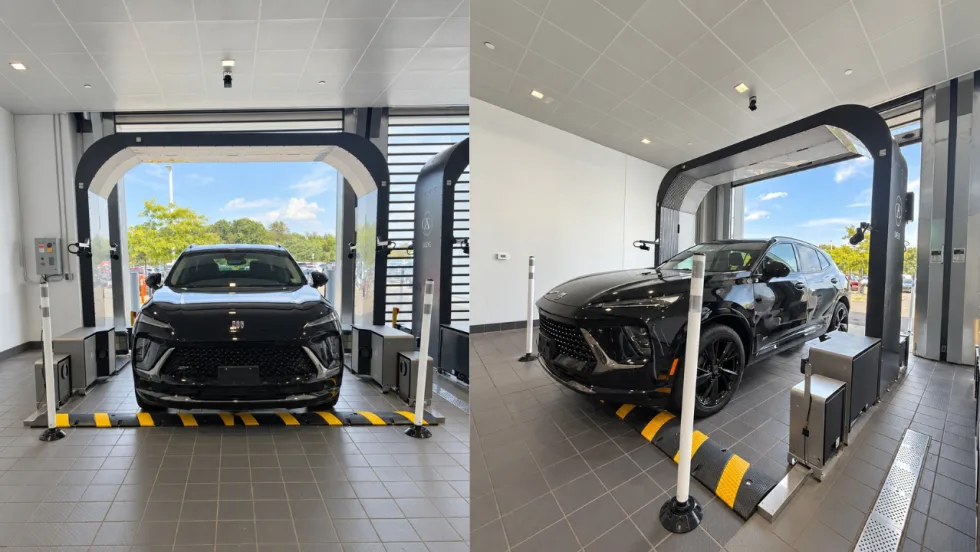
LaFontaine Partners With UVeye to Expand AI Vehicle Inspections in Michigan
LaFontaine is expanding UVeye AI vehicle inspections across Michigan, while UVeye tells Work Truck how the technology can support fleet maintenance and heavy-duty vehicle inspections.
Read More →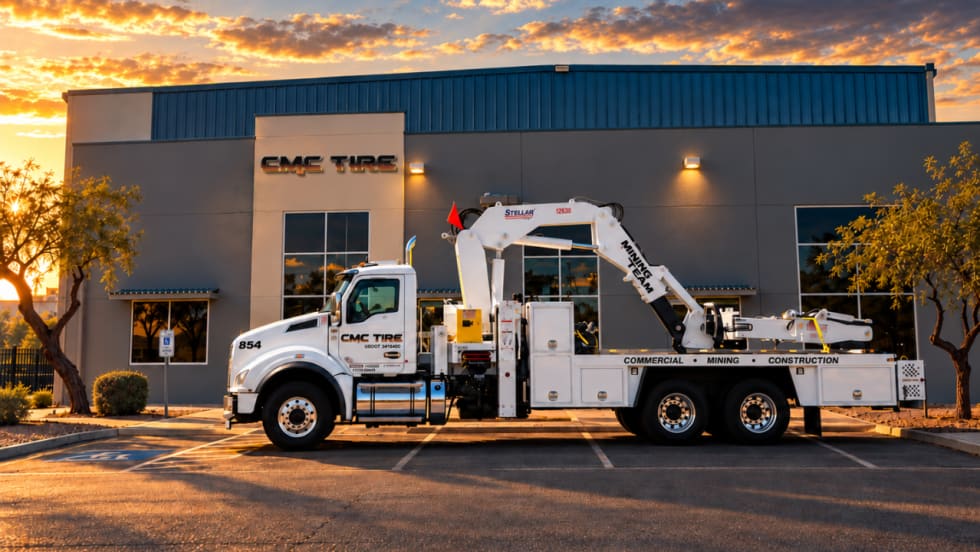
Les Schwab Expands Commercial Tire Footprint Into Arizona
Les Schwab Tires has expanded into Arizona with two commercial tire locations in Phoenix and Tucson, strengthening its fleet service footprint in the Southwest.
Read More →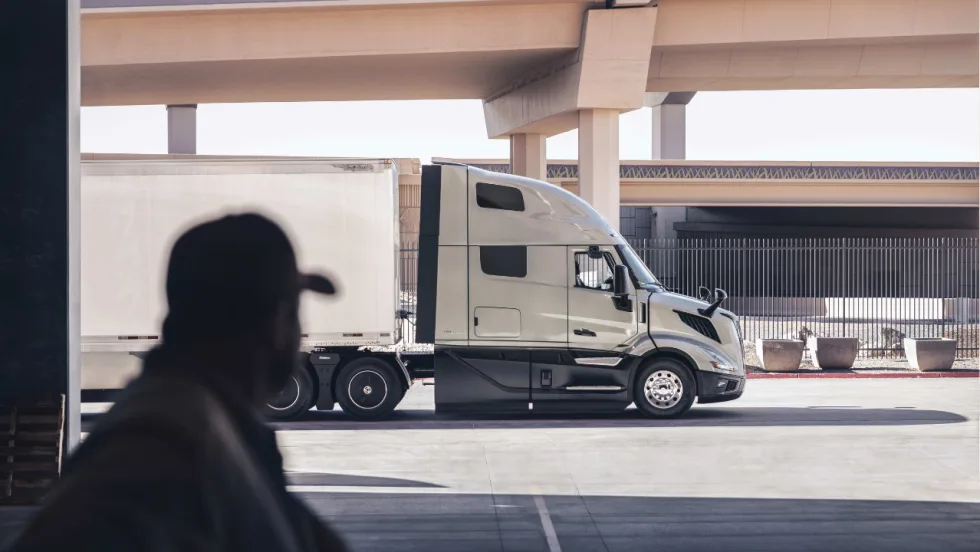
Volvo Trucks’ 'Lock and Leave' Software Updates Go Live Across North America
Unattended over-the-air software updates are now available in Volvo trucks across the U.S. and Canada. The new capability lets trucks stay current with the latest software without interrupting operations or requiring a dealership visit.
Read More →From Our Partners

Why Technician Appreciation Can’t Be a Once-a-Year Thought
For fleets trying to keep skilled technicians, recognition cannot begin and end with Technician Appreciation Week. Learn what year-round appreciation really looks like and why the everyday technician experience matters just as much as pay when fleets are trying to keep good people.
Read More →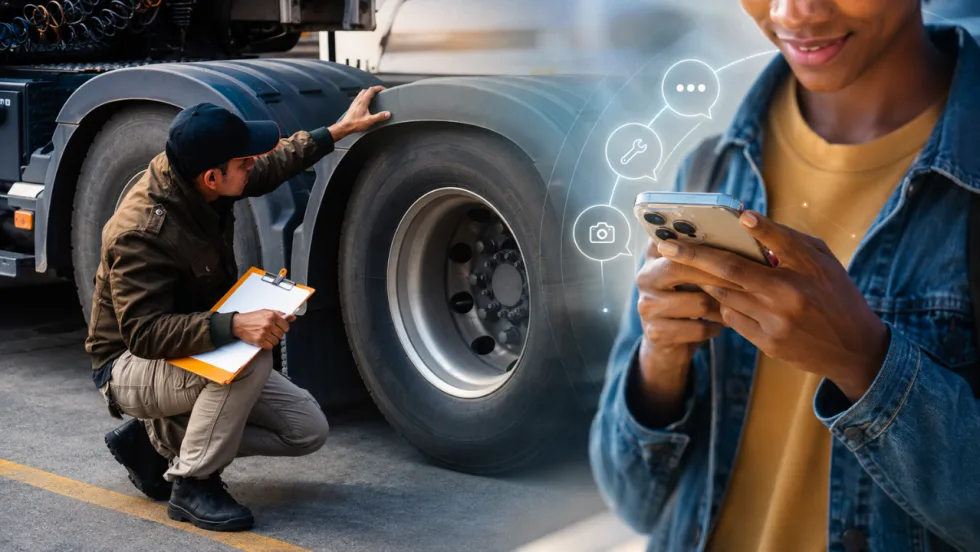
How Faster Driver Reporting Can Keep Small Truck Problems Small
When minor damage, warning lights, or equipment issues are reported late, small problems can quickly become bigger maintenance headaches. Conversational AI can help shorten the path from what a driver notices in the field to the person who can act on it.
Read More →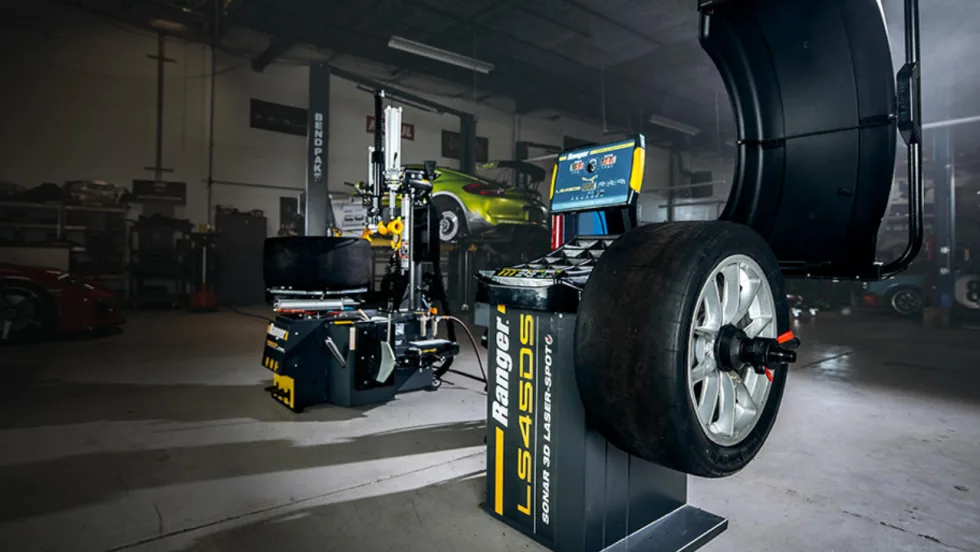
BendPak’s Ranger Wheel Service Equipment Achieves North American Safety Certification
BendPak’s full line of Ranger tire changers and wheel balancers has been ETL certified to UL and CSA standards to improve operator safety.
Read More →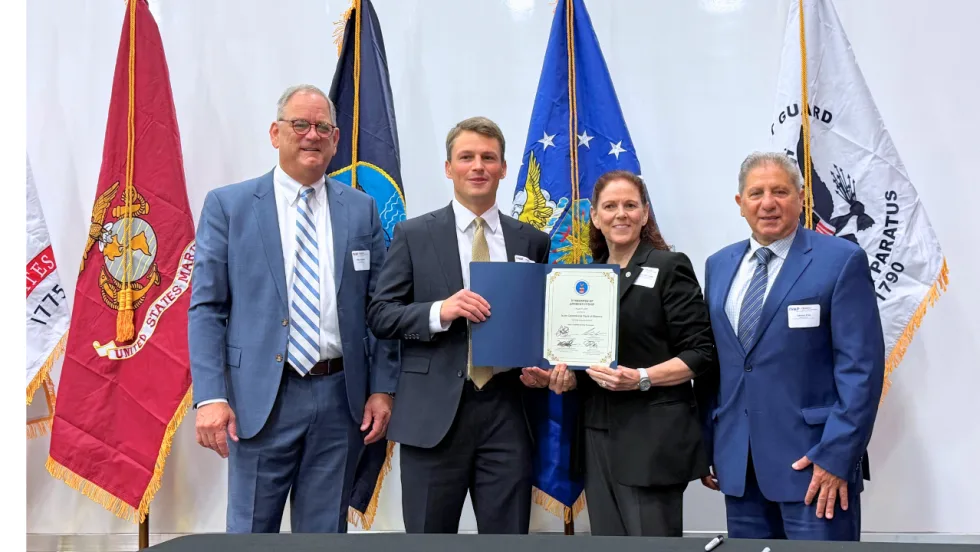
Isuzu & U.S. Department of Labor Celebrate Milestone for Veterans Apprenticeship Program
The Isuzu Veterans Apprenticeship Program (IVAP) signing ceremony highlighted Isuzu’s long-term commitment to veterans, Isuzu dealers, and the skilled workforce supporting its customers and the commercial transportation industry.
Read More →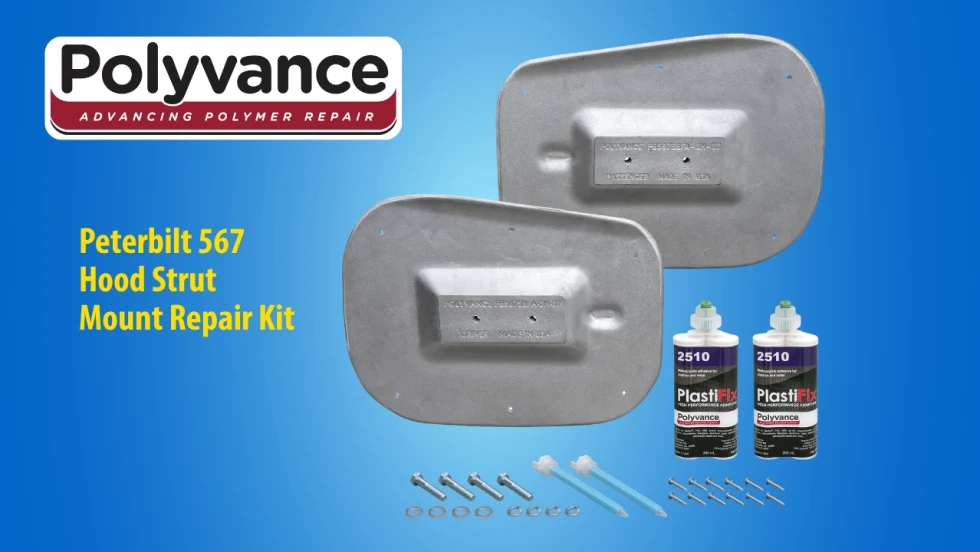
Polyvance Introduces New Peterbilt 567 Hood Strut Mount Repair Kit
Polyvance has launched a repair solution for Peterbilt 567 hood struts, helping truck owners and repair facilities avoid costly hood replacements.
Read More →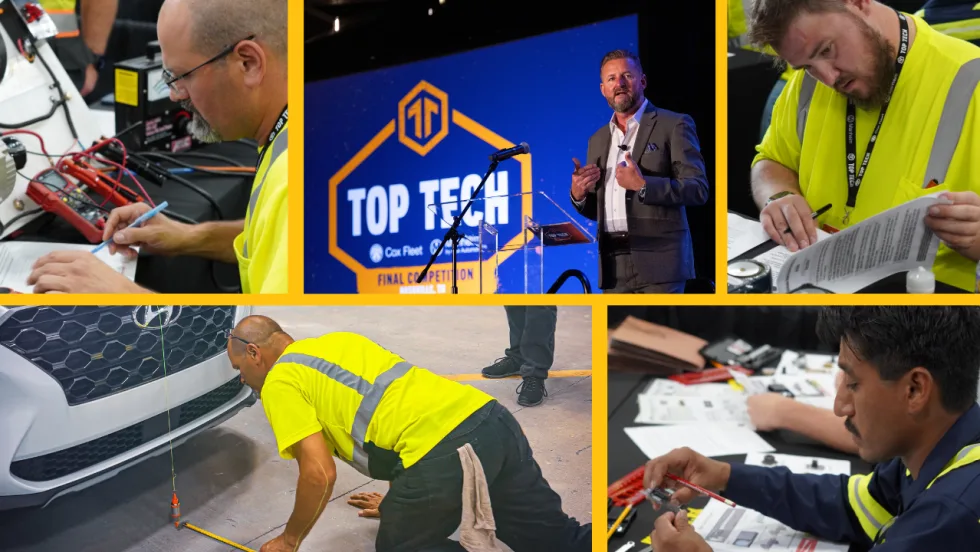
Cox Automotive Celebrates Technical Excellence at 2026 Top Tech Finals
The top technicians from Cox Fleet and Manheim tested their skills in Nashville, Tennessee, at Cox Automotive’s 2026 Top Tech Finals. The overall winners will advance to compete at the American Trucking Association’s TMC SuperTech competition.
Read More →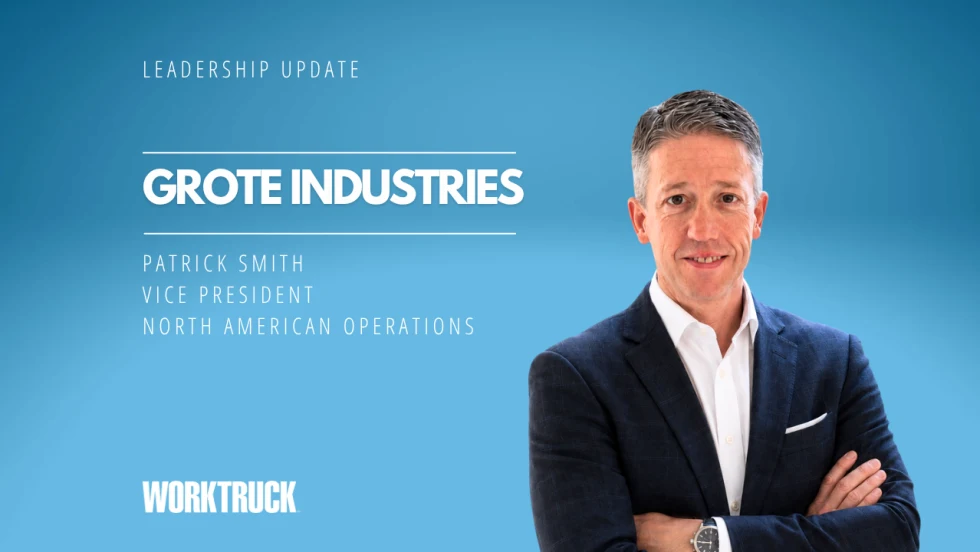
Grote Industries Appoints Vice President of North American Operations
Grote Industries has appointed Patrick Smith as vice president of North American operations as it celebrates 125 years of innovation and manufacturing excellence. He has more than 20 years of manufacturing leadership experience.
Read More →