




5 Considerations When Selecting a Trenching Service Body
Knowing the details of service body design and construction pays off for underground and trenching work in terms of utility, durability and professional appearance.
Photos courtesy of Royal Truck Body
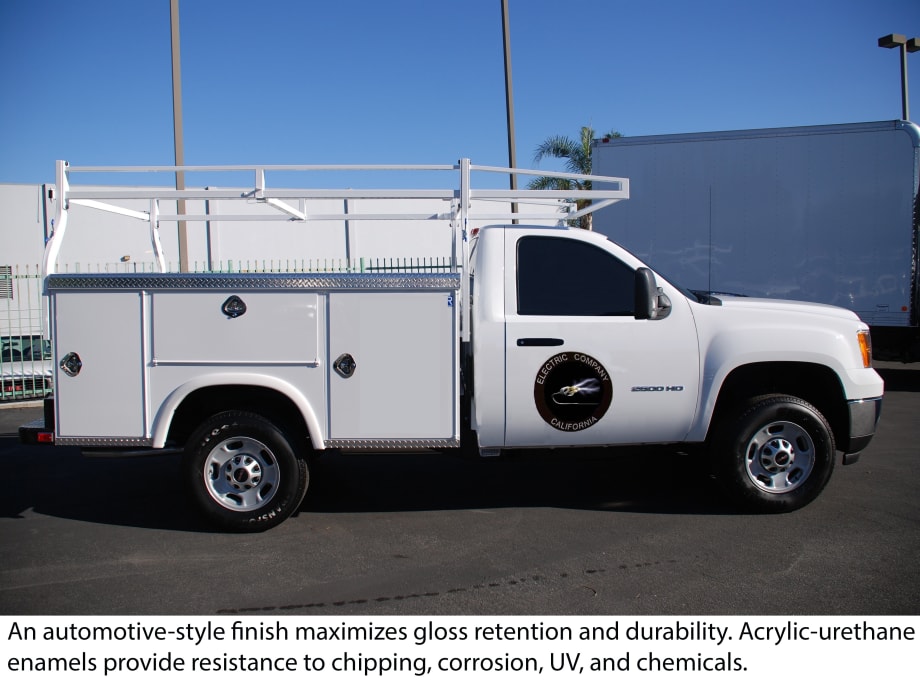
An automotive-style finish maximizes gloss retention and durability. Acrylic-urethane enamels provide resistance to chipping, corrosion, UV and chemicals.
Photos courtesy of Royal Truck Body
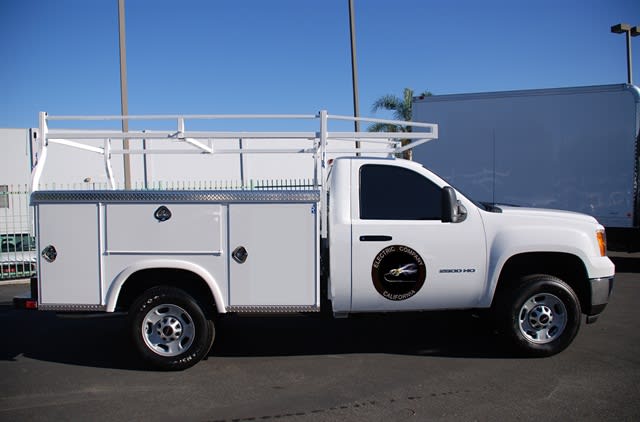
An automotive-style finish maximizes gloss retention and durability. Acrylic-urethane enamels provide resistance to chipping, corrosion, UV and chemicals.
Ask any contractor about the one thing that makes their work go easier, and they will most likely answer, their tools. Nowhere else is this more important than when it comes to the work truck. So when it comes time to replace or step up to a new service body, quality pays for itself in terms of usability, durability, and looks.
But how do you know which truck service body to order to meet and exceed your needs? On the face of it, competitive truck bodies look very similar.
To ensure that you get what you pay for at the dealership, you have to dig deeper into the details of design, construction, the quality of materials used, and several other factors that differentiate service bodies. Knowing this information helps you get the most for your dollar at the original time of purchase, during the entire service life of the truck body — even when you go to sell it.
1. Security
Of all the considerations on a contractor’s mind, security must rank as the most important. Here, details spell the difference between having thieves see your truck as an easy mark or too much trouble to try to break into.
To start, outside handles should be made of sturdy material, like hardened chrome. These should operate metal locking rods — plated with an anti-corrosive material like zinc — at each corner of the cabinet doors, as well as a center cam.
Added strength comes from welding steel brackets onto the interior of each door behind a “hinge block.” The latter securely grips the wall of the compartment so that the door can’t be pried out from the bottom. Check for steel rivets to hold all locking hardware in place.
A popular add-on for security is a master locking system. This is achieved by the use of long rods that extend inside the length of the body, one on either side. The rod is engaged by pulling or twisting a handle at the rear of the body, at which time a male and female stop are mated.
Also, many doors on utility or service trucks lock at just one or three points. A five-point system of defense incorporates all of the above and includes concealed access latches for added security.
2. Design
When it comes to the actual construction of the service body, the features that make a service body a success in the field begin on the drawing table or computer screen in an engineer’s office. This is because of the complexity of today’s engine and electrical systems.
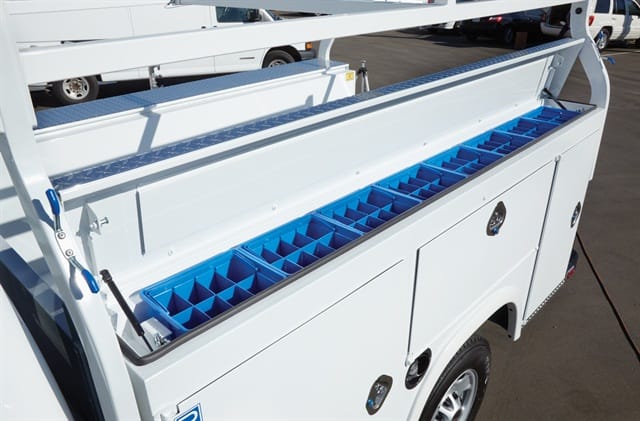
Removable bins and trays makes storing and carrying small items, like fasteners, easier.
Even something as simple as a brake light is now tied into the Controller Area Network of the vehicle. In certain states, diesels must utilize complex urea systems that require an extra filler neck near the back of the truck. Even crash-worthiness specifications play a part.
Because service body manufacturers have to certify their products meet all government regulations to satisfy the standards that OEMs like Ford, GMC, and Dodge must adhere to, seek out a manufacturer that is a selected partner or preferred ‘upfitter’ of the ‘big three.’
One way of ensuring that a given service body meets these standards is to check to see if the manufacturer is a member of the Service Body Institute of the National Truck Association and has attained MVP status. Also, ask about whether or not the manufacturer supplies any major fleets.
Design also extends to customization for a particular craft, like underground utility work.
“We’ve used several different makes, but the specialty bodies that Royal set up for our crews work out really well,” says Dan Ogg, fleet manager for International Line Builders, Inc. — a full service electrical distribution and transmission power line construction company with offices in Oregon and California.
“Our biggest job is with Edison right now,” continues Ogg. “We dig the trenches, put conduit in and build pads for the transformers. Royal made a space to mount the compressor on the truck, freeing up the hitch for when we’re going to a site where we must have traffic control and need to tow an arrow board. This saves quite a bit of time because you don’t need to send another truck out or make a second trip.”
3. Quality of Materials
Consider first the grade and type of metal used for the cabinets and racks. For example, A-60 “galvanealed” steel with a heavy zinc coating currently represents one of the best materials for keeping rust and corrosion at bay.
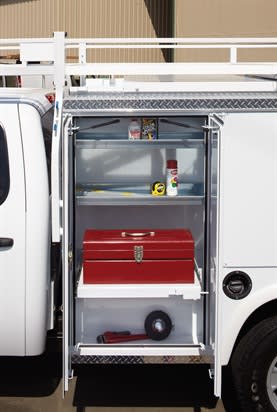
Automotive style neoprene weather stripping around cabinent doors provides resistance to water, ozone, UV degredation, freezing and compression so tools and supplies stay dry.
How that metal gets coated is equally important. An automotive-style high gloss finish maximizes gloss retention and durability. For example, acrylic-urethane enamels provide resistance to chipping, corrosion, UV, and chemicals. Items subject to very heavy use, like ladder racks, bedliners and bumpers, should have their metal surfaces protected by sprayed-on powder coatings which provide much greater permanence and won’t wash away through usage.
The use of composites for the fender flares is an important element, as composites will not rust. Automotive style neoprene weather stripping around shelving and cabinet doors provides resistance to water, ozone, UV degradation, freezing and compression.
“These trucks work every day and our guys aren’t easy on them, but all the truck body systems are still working,” notes Ogg. “The doors get the biggest workout, but they are still holding up in the field.”
4. Workmanship
The service body should be supported by several steel crossbeams. Tailgates should be double-paneled with heavy-duty machined hinges. Hinge rods with oversized blocks provide maximum strength. Doors should also feature strong, double-steel construction.
Seams between service body parts should be caulked inside and out. Modular wiring harnesses protected by a plastic loom or similar will help prevent water and physical damage from causing electrical shorts.
Attention to detail extends to how ladder racks are constructed. One piece, mandrel-bent legs, versus rust-prone welds, ensures that metal integrity is not compromised. Beyond visual inspection, details like internal spacers within the rack tubing strengthen the legs and prevent the tubing from collapsing as it is tightened during the manufacturing process.
Note that service body manufacturers that install the bodies on the truck frame at the plant or through company-owned branches can maintain better quality control over both installation and workmanship, as opposed to third-party distributors.
Assurances like multi-year/multi-mile warranties add credence to claims of quality workmanship.
5. Convenience
Large capacity shelving should be adjustable at several levels. Gas shocks account for an easier way of opening and holding vertical doors and top compartments in an open position than metal struts.
Other convenient details include rope hooks to secure items to the ladder rack and tie downs along interior walls of the truck bed to hold cargo in place. Small things like roll-out drawers and portable storage trays also help speed a job.
A retractable utility bed cover greatly improves access to the truck bed. Extending access beyond that point are electric roll tops that telescope onto themselves for compact storage. Push-button operation helps prevent accidents since the worker does not need to climb into the bed to manually open or close the top.
Convenience should even extend to overhead racks with swing-away crossbars for easier loading and unloading of tall items, and tailgates that permit one-hand operation. These should have no chains or side brackets to get in the way.
“It makes the job go easier when the truck body works with you to finish on time,” Ogg says.
About the Author
Dudley DeZonia is president of Paramount, Calif.-based Royal Truck Body, which specializes in the design and building of truck bodies for contractors and tradesmen since 1971. For more information, contact Royal Truck Body at (800) 834-7692 or go to www.royaltruckbody.com.
More Utility Fleet
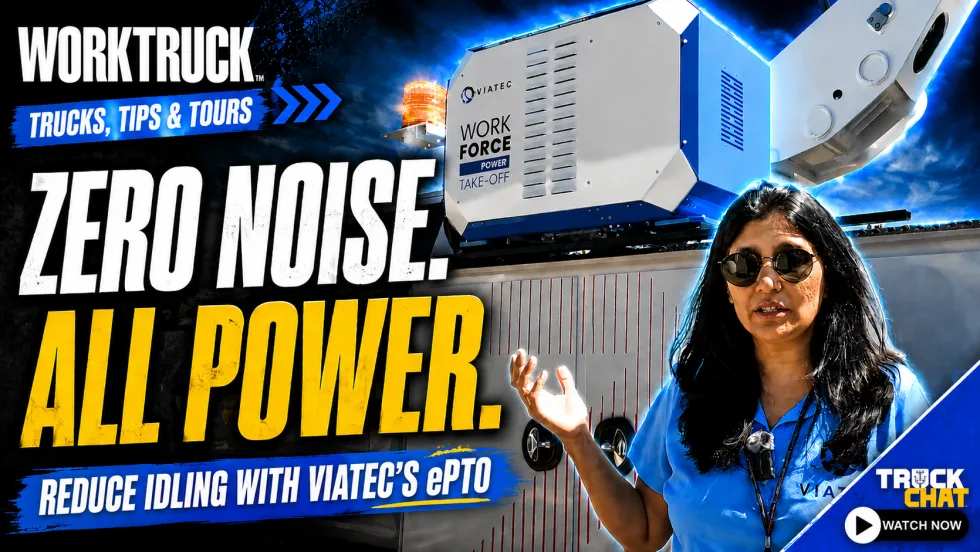
Reduce Noise & Idling with Viatec’s ePTO
Viatec's Workforce ePTO lets utility trucks power booms, outriggers, and auxiliary equipment using battery power instead of idling the engine. Learn how this technology helps reduce fuel use, noise, engine wear, and emissions while improving operator comfort.
Read More →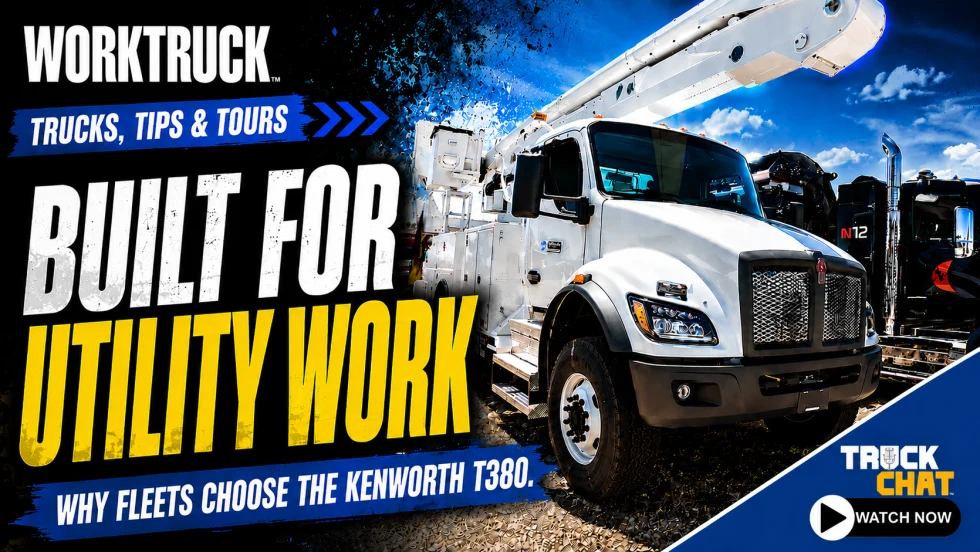
Why Utility Fleets Choose the Kenworth T380
The Kenworth T380 is engineered for utility fleets with custom chassis layouts, optimized frame rails, 4x4 capability, and improved driver visibility. See how its design helps maximize upfit flexibility and field performance.
Read More →
PALFINGER PB 38 AT P: Purpose-Built for Telecom Fleets
Purpose-built for telecommunications crews, the PALFINGER PB 38 ATP combines a 43-foot working height, flexible basket stowage, integrated cameras, and operator communication systems to improve productivity and safety during fiber and overhead cable installation.
Read More →

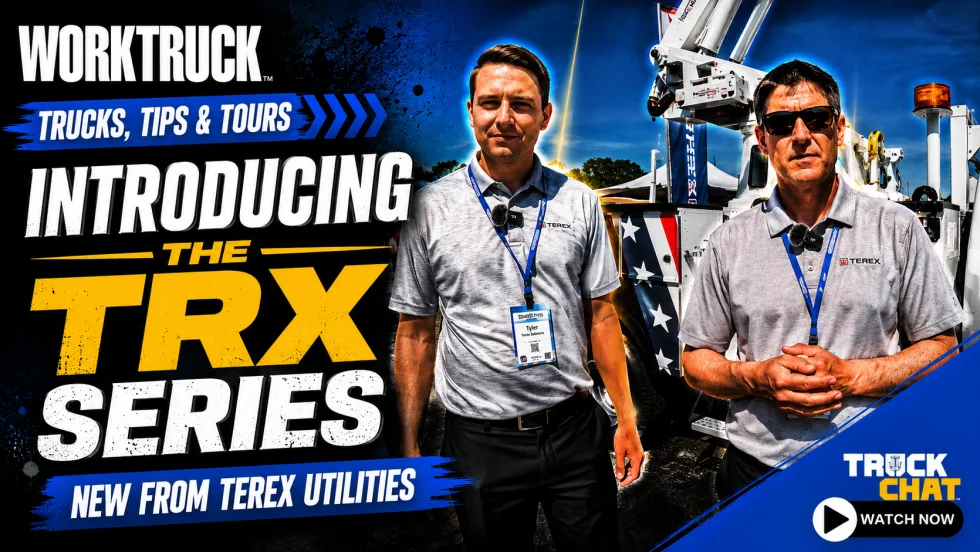
Inside Terex Utilities' Latest Work Truck Innovations
Terex Utilities is advancing utility fleet operations with its new TRX aerial platforms, Flex Pro controls, and AI-powered 3rd Eye safety technology. See how these innovations are helping fleets work safer, smarter, and more productively.
Read More →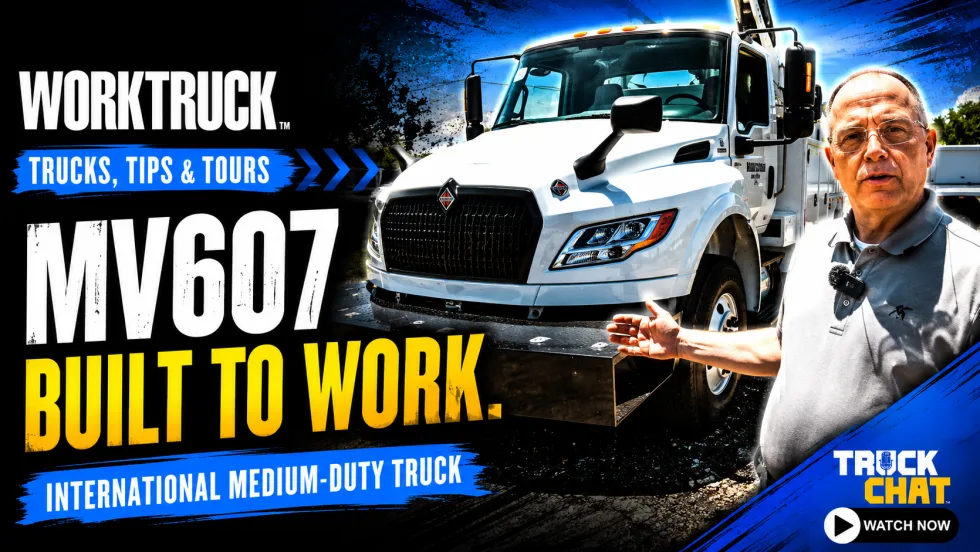
Walkaround of International MV607 Digger Derrick
The International MV607 combines advanced safety technologies, excellent visibility, vocational flexibility, and seamless body integration to create a powerful platform for utility fleet operations. Take a closer look at this Altec digger derrick configuration from EUFMC.
Read More →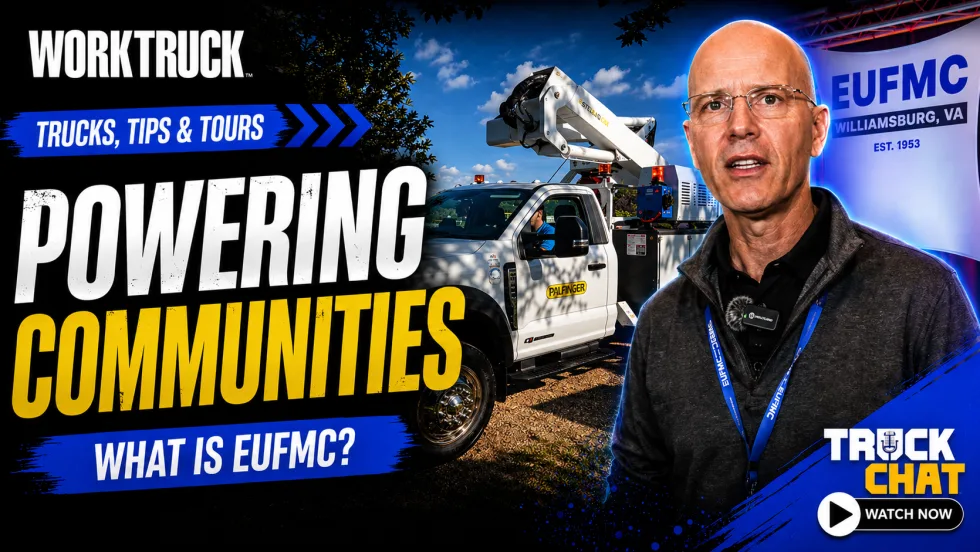
Inside the Electric Utility Fleet Managers Conference
What is EUFMC? For more than seven decades, the Electric Utility Fleet Managers Conference has served as a hub for collaboration, education, and innovation within the utility fleet industry. In this video, Work Truck talks to EUFMC President Greg Loew to learn more.
Read More →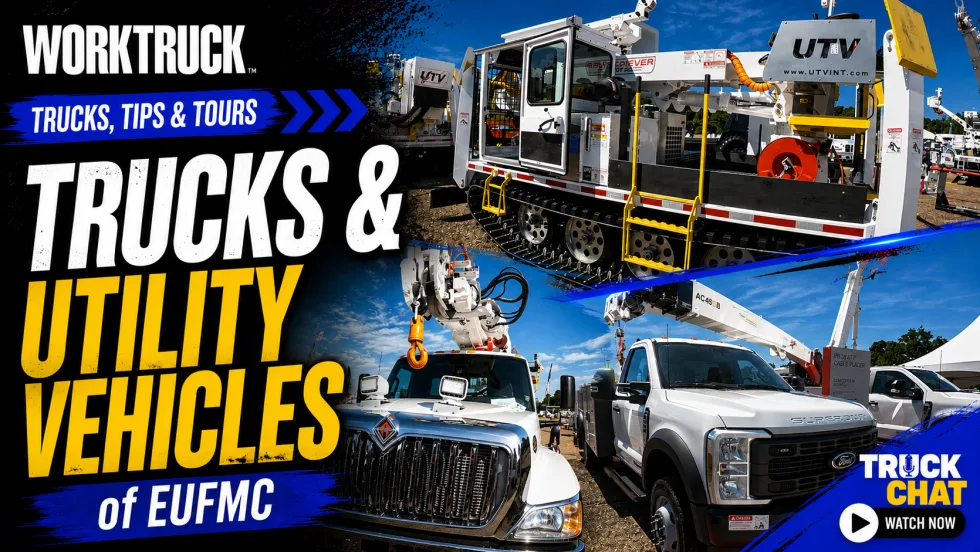
Inside the EUFMC Equipment Expo & Drive-Through
Follow Work Truck as we check out the trucks and other vehicles that were showcased at the Electric Utility Fleet Managers Conference in Williamsburg, Virginia. Whether looking for something on tires or treads, it was there for fleet managers to see.
Read More →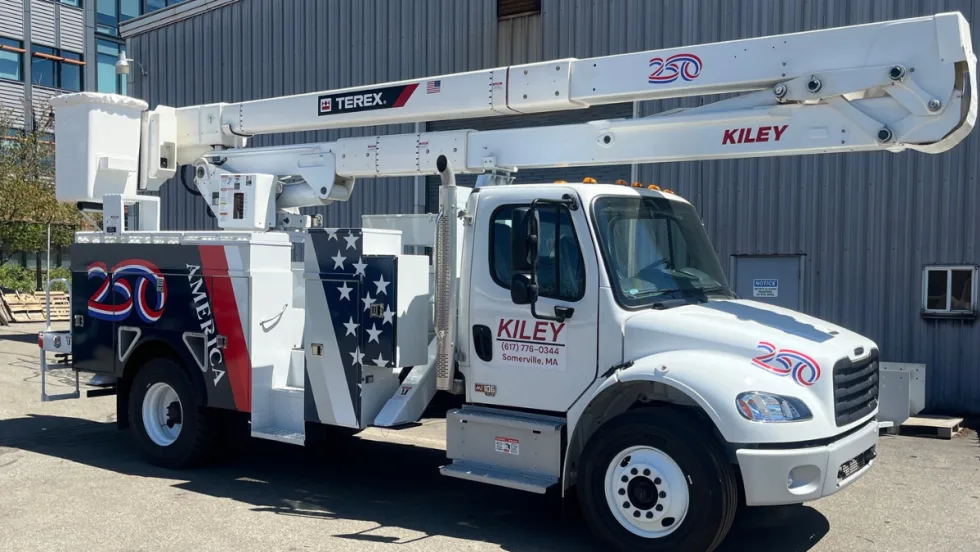
Terex Utilities & Kiley Unveil Custom America 250 Bucket Trucks at EUFMC 2026
Terex Utilities showcased a patriotic spirit in its booth this week during the Electric Utility Fleet Managers Conference in Williamsburg, Virginia, by debuting two custom-wrapped bucket trucks celebrating America’s upcoming 250th anniversary.
Read More →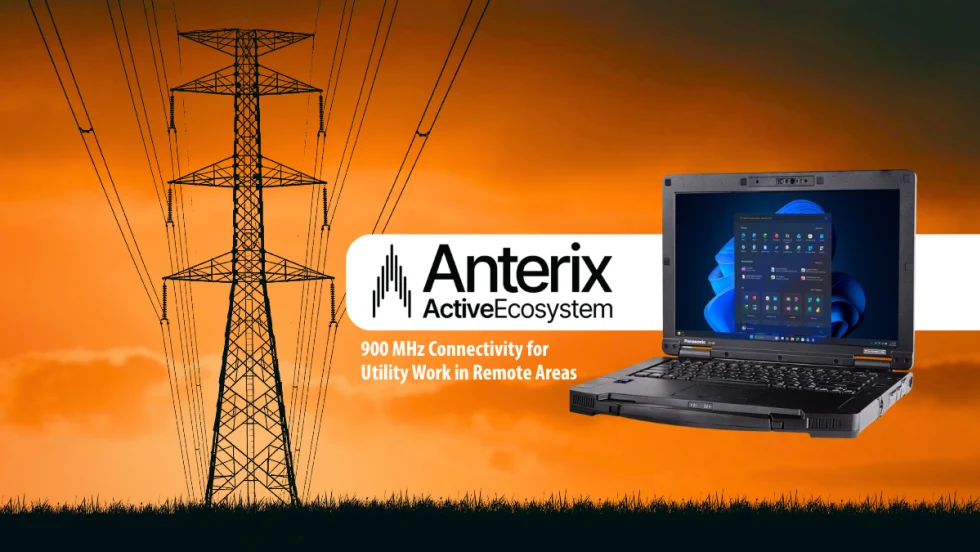
Panasonic Connect & Anterix Strengthen Connectivity Options for Utilities and Field Workers
The Panasonic Connect Toughbook 56 is the first Toughbook to earn the AnterixActive badge, which means it can connect to and operate on Anterix’s 900 MHz network even in the most remote locations.
Read More →
Streamlight Launches Portable Scene Light III & LiteBox 1Million
Streamlight has launched its Portable Scene Light III (PSL III), which delivers up to 10,000 lumens, and the LiteBox 1Million, a long-range search light that delivers one million candela.
Read More →