




What is Sway Control?
And how does it benefit the new Chrysler Aspen?

Arriving at dealerships later this month, the all-new 2007 Chrysler Aspen will be the industry’s first full-size SUV to offer standard Trailer Sway Control technology, according to Chrysler. The technology improves trailer stability and increases towing safety. Trailer Sway Control reduces trailer sway (an alternating yaw of the vehicle) and improves handling in adverse towing conditions caused by crosswinds and traffic, provides trailer stability and increases towing safety. Software monitors the vehicle’s movement relative to the driver’s intended path. The vehicle yaw sensor recognizes sway. Once the system determines the sway is increasing not as a result of the driver’s steering input, Trailer Sway Control applies brake pressure on one front wheel to counteract the yaw induced by the trailer and applies brake pressure to all four wheels to slow the vehicle. As the trailer sways to the other side of the vehicle, Trailer Sway Control will increase pressure to the opposite side of the vehicle. The technology will continue to apply alternating brake pressure and reduce engine torque until the trailer is under control. Chrysler is calling the 2007 Chrysler Aspen, its first SUV, “a premium SUV that is a value alternative to the luxury-priced competitors.” Chrysler says compared to other large SUVs, the all-new 2007 Chrysler Aspen is more fuel-efficient and maneuverable while having more interior passenger space and cargo room, coupled with unmatched towing and hauling capability. As well as Trailer Sway Control, the Chrysler Aspen comes with standard an Electronic Stability Program and Electronic Roll Mitigation.
More Small Fleet
Why Fleet Managers Are Replacing Departmental Vehicles with Shared Motor Pools
Departmentally assigned vehicles often create hidden costs through underutilization, poor visibility, and increased administrative burden. This white paper explores how shared motor pool strategies help fleets reduce costs, improve accountability, and optimize vehicle utilization.
Read More →
Boosting Last-Mile Fleet Uptime, Safety, and Value with AI Vehicle Inspections
AI-powered inspections are transforming last-mile fleets by replacing manual checks with highly accurate automated scans that detect defects in seconds. By giving fleet operations visibility into the daily condition of their vehicles, you can identify trends over the vehicle’s lifecycle that enable improved procurement decisions, route management, driver training and accountability.
Read More →
Five Ways Seat Belts Help Prevent Injuries
There are five ways seat belts protect occupants from injuries, according to the Tennessee Department of Safety and Homeland Security.
Read More →
It’s here: The 2026 Fleet Technology Trends Report
What does AI mean for fleets? Get the answer — and learn other top tech trends.
Read More →
Small Fleets, Big Impact: How Independent Drivers Power Wreaths Across America
Check out how small fleets and independent drivers power Wreaths Across America each December and why their impact matters more than ever.
Read More →
VMS Survey Finds 65% of Small Fleet Managers Run Operations Alone
A new VMS survey shows small fleet managers are stretched thin, with most handling operations solo and eager to adopt digital tools for relief.
Read More →
Tips for Driving Safely on Halloween Night
This video features a reminder from the Connecticut Department of Transportation (DOT) and the Connecticut Police Chiefs Association, urging drivers to prioritize safety this Halloween.
Read More →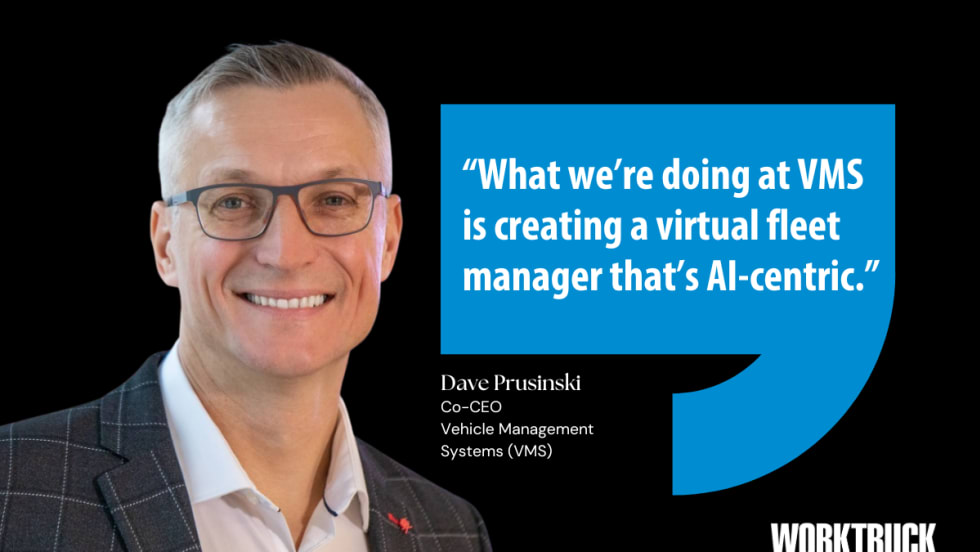
AI, Access, and Uptime: VMS’s Next Chapter with David Prusinski
VMS’s new Co-CEO, David Prusinski, shares how an AI-first approach will give small fleets and repair shops the tools to compete like big players.
Read More →
Fleet Managers Share Winter Prep Tips: It's Never Too Early!
Three fleets share best practices to prep vehicles for winter and prevent downtime when the cold sets in.
Read More →
Hot Weather Driving Tips for Fleet Drivers
As we head into another potentially extreme summer season, the risks for fleet drivers remain high, from engine strain and tire blowouts to unpredictable traffic patterns. An expert shares advice on how fleet drivers can boost their safety during the steamy summer months.
Read More →