Increase Fuel Capacity with Spare Tire Fuel System
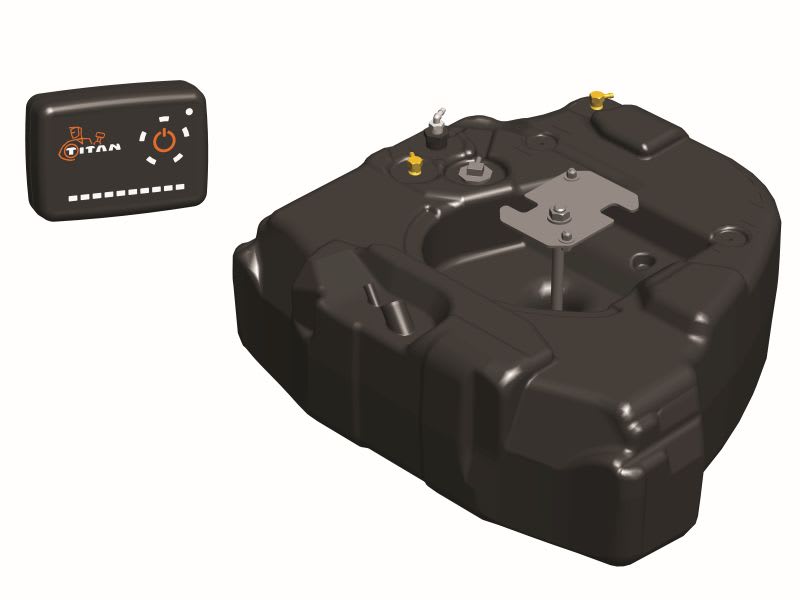
Titan Fuel Tanks' Spare Tire Auxiliary Fuel System features a 30-gallon polyethylene tank that fits into the existing spare tire cavity of most American-made pickups.
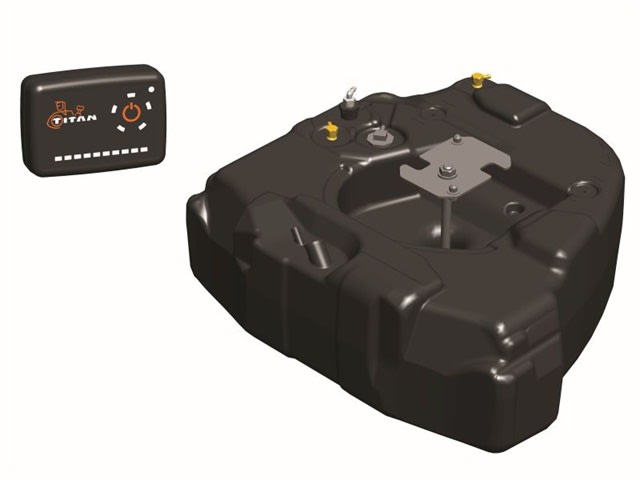
Titan's Spare Tire Fuel System features a one-size-fits-all, 30-gallon fuel tank and a fuel transfer control unit.
3 min to read
Titan's Spare Tire Fuel System features a one-size-fits-all, 30-gallon fuel tank and a fuel transfer control unit.
To help extend your pickup’s fuel capacity and reduce visits to the gas station, Titan Fuel Tanks is now offering a 30-gallon fuel tank that can be stored in a pickup’s spare tire cavity.
Released at the 2013 SEMA Show in November, the polyethylene Spare Tire Auxiliary Fuel System fits most American-made diesel pickups produced after 1999, according to Kay L. Walker, sales manager at Titan Fuel Tanks, a manufacturer of aftermarket fuel tanks.
Ad Loading...
Unlike in-bed auxiliary fuel tank solutions, its underbody location means it has no impact on the pickup bed’s storage capacity. Fleets with regular cabs now have a way to gain fuel capacity without losing precious storage space in the truck bed.
“[The Spare Tire Fuel System] is a great option to keep the tank under the body, gain 30 gallons of fuel and keep the space in the truck bed,” says James Patience, new products manager at Titan.
Although mileage varies from truck to truck, the 30-gallon spare tire tank will double a truck’s driving range. For example, if you are getting 7 to 8 miles per gallon while pulling, the tank will still provide enough fuel for a total of 450 to 500 miles, says Walker.
“Anyone that has a fleet of pickups and wants to reduce time at the fill-up stations would be interested in this product,” says Walker. “Commercial delivery trucks can spend more time delivering as opposed to stopping for fuel.”
Control Fuel Usage
Drivers can manage the amount of fuel that is transferred from the spare tire tank. Featuring a single-touch button, the electronic fuel transfer control unit is mounted on the truck’s dashboard.
Ad Loading...
Each touch of the button will transfer about 5 gallons of fuel from the spare tire tank to the primary fuel tank, says Patience. To interrupt the transfer, the driver touches the button again.
The control unit’s LED interface displays the tank’s fuel levels in increments of one-tenth.
“Once the [spare tire] tank gets closer to empty, the controller will stop the pump so it won’t run itself dry,” says Patience.
[PAGEBREAK]
One Size Fits All
Costing between $1,768 and $1,794, the fuel system includes a one-size-fits-all tank, the unit indicating how much fuel is available, the pump and the fuel transfer control unit. The universal tank design fits all trucks while the mounting hardware is unique to a truck’s make and model.
“We have kits for Dodge, GMC/Chevy and Ford,” says Walker. “We send them the mounting kit depending on the make and model.”
Ad Loading...
Designed for easy installation, mounting brackets require no cutting, welding or drilling. But if a customer needs help installing the system, Titan has a nationwide system of installers in the U.S. as well as in Canada and Australia.
Featuring a polymer material, the fuel system is resistant to the corrosive effects of diesel and bio-diesel fuels. Additionally, all tanks come with a five-year warranty.
“Diesel truck owners are always interested in extending their range and fuel capacity without compromising space in their trucks’ cargo bed, and Titan’s new spare tire tank is an innovative solution to this challenge,” said Paul Nishanian, executive vice president for Xtreme Diesel Performance, a retailer of diesel products. “XDP stocks a complete range of Titan fuel tanks, and we’re excited about expanding our Titan offering with their new spare tire tank.”
Departmentally assigned vehicles often create hidden costs through underutilization, poor visibility, and increased administrative burden. This white paper explores how shared motor pool strategies help fleets reduce costs, improve accountability, and optimize vehicle utilization.
AI-powered inspections are transforming last-mile fleets by replacing manual checks with highly accurate automated scans that detect defects in seconds. By giving fleet operations visibility into the daily condition of their vehicles, you can identify trends over the vehicle’s lifecycle that enable improved procurement decisions, route management, driver training and accountability.
AI is moving beyond the back office and into the driver’s seat of work truck and field service operations. New research shows fleets are using AI to improve predictive maintenance, optimize dispatch and routing, reduce downtime, and boost technician productivity, while also tackling challenges around workforce adoption and data readiness. Discover the trends, technologies, and real-world use cases shaping the future of connected work truck fleets.
This video features a reminder from the Connecticut Department of Transportation (DOT) and the Connecticut Police Chiefs Association, urging drivers to prioritize safety this Halloween.