




Leasing Keeps Pest Control Fleet Up-to-Date
To best match the vehicle with ever-changing job requirements, this pest control company leases its vehicles to keep a reliable and updated fleet.
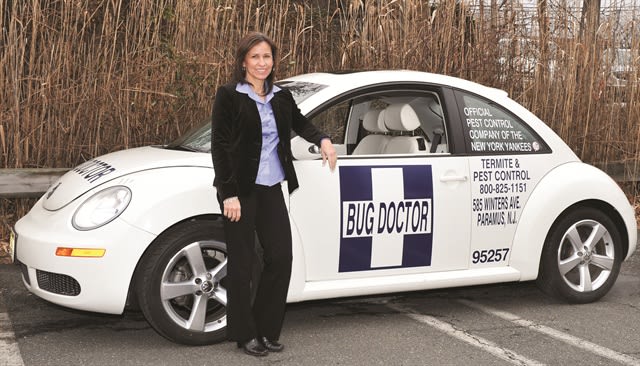
The VW Beetle is one of several different types of vehicles in Bug Doctor's fleet. Each white-covered fleet vehicle includes several company logos.
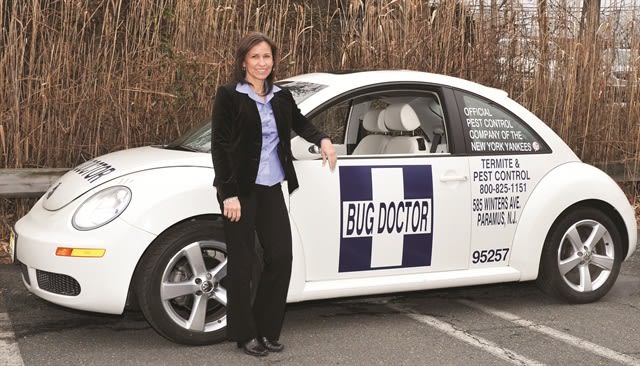
The VW Beetle is one of several different types of vehicles in Bug Doctor's fleet. Each white-covered fleet vehicle includes several company logos.
For New Jersey-based Bug Doctor Termite & Pest Control, expanding its services to new states means growth in employees as well as fleet. With 32 vehicles and counting, Bug Doctor now serves customers in five pest control divisions, each with specific fleet needs.
Stuart Aust, owner and president, started Bug Doctor Termite & Pest Control with his wife as a mom-and-pop operation in Paramus, N.J., in 1992.
As the business grew, Aust expanded his company’s reach into other pest control divisions. In 1996, Bird Doctor was born. Three divisions soon followed: Mosquito Doctor, Animal Doctor (trapping of skunks, raccoons, squirrels) and Bedbug Doctor.
In 2009, Bug Doctor took one of its divisions nationwide. With its other pest control divisions mainly serving customers in New Jersey, New York and Pennsylvania, Bird Doctor Nationwide now has customers as far as Texas and California.
Currently, Bug Doctor is averaging a revenue increase of 10% to 12% each year, says Aust. In the face of such growth, how does Bug Doctor manage the challenges of fleet?
A Diverse and Customized Fleet
With an expanding reach, Bug Doctor needs a reliable and up-to-date fleet. Aust decided to start leasing his vehicles instead of buying them. Cycling fleet every three years not only keeps maintenance costs in check, “We found that gives our brand a clean and fresh look,” he says.
Although each fleet vehicle wears the color white, Bug Doctor’s fleet is made up of several different types of vehicles. The trucks are broken down by division: 13 trucks for Bug Doctor, 10 trucks for Bird Doctor Nationwide, one for Animal Doctor and one for Bedbug Doctor.
Of the 32 vehicles, the fleet includes several field service trucks — a mix of Ford F-150s, Ford Rangers, Toyota Tacomas and Chevrolet Silverados — along with four Ford Transit Connect vans used by the sales team for inspections, two Nissan Maximas and one VW Beetle for the management team.
Expanding Services
With the company’s brand growth, Tim Periard — the branch manager in charge of fleet operations — must monitor mileage while considering additions to fleet. For pest control, most of Bug Doctor’s business comes from New York City, New Jersey and Pennsylvania. Those trucks average a considerable 50,000 to 70,000 miles per year.
Officially changing the Bird Doctor division to Bird Doctor Nationwide garnered new business from national retail chains in different regions — while forcing some decisions with fleet. “Driving as far south as North and South Carolina, we put a lot of miles on the bird vehicles,” says Aust, who has done the math in travel distance to best manage vehicles and drivers and still be profitable.
Bird Doctor Nationwide has even done work internationally.
“We bird-proofed a building in New York City for the king and queen of Qatar. Then they asked me to take a look at two of their palaces in the Middle East. We may need to change our name again to Bird Doctor International,” Aust muses.
More Small Fleet

Why Fleet Managers Are Replacing Departmental Vehicles with Shared Motor Pools
Departmentally assigned vehicles often create hidden costs through underutilization, poor visibility, and increased administrative burden. This white paper explores how shared motor pool strategies help fleets reduce costs, improve accountability, and optimize vehicle utilization.
Read More →
Boosting Last-Mile Fleet Uptime, Safety, and Value with AI Vehicle Inspections
AI-powered inspections are transforming last-mile fleets by replacing manual checks with highly accurate automated scans that detect defects in seconds. By giving fleet operations visibility into the daily condition of their vehicles, you can identify trends over the vehicle’s lifecycle that enable improved procurement decisions, route management, driver training and accountability.
Read More →
Five Ways Seat Belts Help Prevent Injuries
There are five ways seat belts protect occupants from injuries, according to the Tennessee Department of Safety and Homeland Security.
Read More →
It’s here: The 2026 Fleet Technology Trends Report
What does AI mean for fleets? Get the answer — and learn other top tech trends.
Read More →
Small Fleets, Big Impact: How Independent Drivers Power Wreaths Across America
Check out how small fleets and independent drivers power Wreaths Across America each December and why their impact matters more than ever.
Read More →
VMS Survey Finds 65% of Small Fleet Managers Run Operations Alone
A new VMS survey shows small fleet managers are stretched thin, with most handling operations solo and eager to adopt digital tools for relief.
Read More →
Tips for Driving Safely on Halloween Night
This video features a reminder from the Connecticut Department of Transportation (DOT) and the Connecticut Police Chiefs Association, urging drivers to prioritize safety this Halloween.
Read More →
AI, Access, and Uptime: VMS’s Next Chapter with David Prusinski
VMS’s new Co-CEO, David Prusinski, shares how an AI-first approach will give small fleets and repair shops the tools to compete like big players.
Read More →
Fleet Managers Share Winter Prep Tips: It's Never Too Early!
Three fleets share best practices to prep vehicles for winter and prevent downtime when the cold sets in.
Read More →
Hot Weather Driving Tips for Fleet Drivers
As we head into another potentially extreme summer season, the risks for fleet drivers remain high, from engine strain and tire blowouts to unpredictable traffic patterns. An expert shares advice on how fleet drivers can boost their safety during the steamy summer months.
Read More →