





Matthew Betz on Fleet Lessons, Leadership, and Why Connections Count
Oleg Cytowicz on People, Process, and Perspective in Fleet
Fleet Legend Oleg Cytowicz shares how people, processes, and smart tech shaped his career, along with practical tips for new managers to stay focused and connected.
November 18, 2025
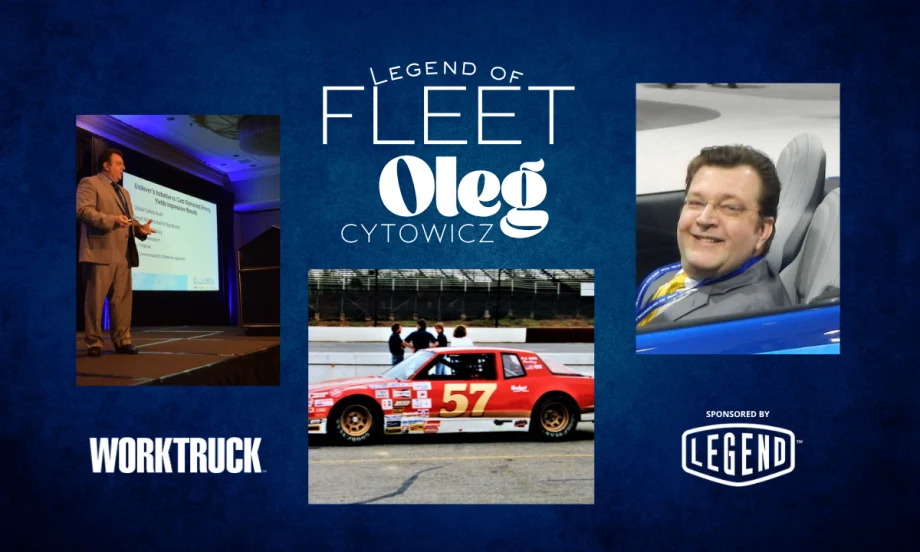
The passion for people and fleet that Oleg Cytowicz shows is second to none, and his career is nothing short of inspiring.
Photo: Work Truck
5 min to read
Some careers start with a plan. Others begin in the pit lane. For Oleg Cytowicz, it was the latter: A race weekend steered him straight into a lifelong journey in fleet management.
In the latest Fleet Legends episode, sponsored by Legend Fleet, we sat down with Cytowicz to talk about his start, his lessons, and his advice for the next generation of fleet professionals. His story proves what many of us already know: while technology and telematics keep fleets moving, it’s the people who keep them thriving.
From Pit Crew to Fleet Desk
Cytowicz’s fleet career began with a little luck and a lot of curiosity.
“I was a casual employee at Lever Brothers,” he recalled. “One of the directors noticed my strange work schedule (I was always off Fridays and Mondays). I told him I was part of a race team pit crew and needed travel time. He said, ‘Well, we’ve got an opening in fleet, and you’re a car guy. How about I put your name in the hat?’”
That moment changed everything. He landed a role as a clerk under the late Frank Klaus, another name many consider a fleet legend.
“When I started, we tracked everything by hand,” Cytowicz said with a laugh. “Expense reports, mileage, replacement cycles, all on paper. We were just about at the turning point of when the abacus was introduced.”
From Ledgers to Laptops
If anyone has seen firsthand how technology reshaped fleet, it’s Cytowicz.
“The speed of technological development is incredible,” he said. “When I brought in my own college computer with Lotus 1-2-3, it changed everything. Suddenly, we could calculate projections instantly instead of flipping through ledgers.”
That early push toward automation foreshadowed decades of transformation. Today, he sees technology as both a blessing and a challenge.
“Now, mileage, expenses, and reports are all automated through FMC systems and telematics,” Cytowicz said. “It’s amazing how far we’ve come, but it’s also a lot of data. Fleet managers have to stay focused so they don’t get lost in it.”
People First, Always
Despite the tech talk, Cytowicz returns to a simple truth: fleet management starts and ends with people.
“As a fleet manager, you’re the hub of the wheel,” he explained. “You touch every department (finance, HR, procurement, operations) and you impact every driver. Get to know the people you work with. Learn what challenges they face. Understand how your decisions affect their day.”
He stressed the importance of communication and empathy. “If you make a change to policy or vehicles, it’s not just a spreadsheet adjustment. It affects someone’s daily routine. You have to understand both sides of that,” he added.
Building a Strong Fleet Process
When asked about rookie mistakes, Cytowicz didn’t hesitate to turn them into opportunities.
“Mistakes are learning experiences,” he said. “But don’t rely on others to think for you. If you’re handed a report or a recommendation, ask how they got to that conclusion. Be inquisitive. Understand the process, not just the output.”
That curiosity extends to his approach with emerging tools like AI.
“AI is only as good as the person who programmed it,” he said. “It’s you who has to present that data. If your boss asks how you got it, that bot isn’t going to be sitting next to you explaining the math.”
His advice came with a memorable lesson from a friend: “If AI cuts a 30-minute task down to five, use the other 25 minutes to review and understand the results. It’s still 30 minutes well spent.”
Communication in Leadership is Key
Cytowicz learned early that presenting information effectively is as important as collecting it.
“When rolling out a policy or a change, tailor your message,” he said. “Executives want bullet points and impact. Your implementation team needs clarity and collaboration. And your drivers? They need to know what’s changing and why.”
He even created a Fleet Advisory Board at Unilever, including drivers and managers at all levels, to share feedback.
“We talked about everything, including vehicle selection, safety, mileage, and technology. It helped everyone feel heard, and it made my job easier,” he said.
The Power (and Peril) of Fleet Data
Telematics might be one of the biggest game-changers in Cytowicz’s career.
“The amount of information we get now is mind-blowing,” he said. “But it’s easy to drown in it. You have to set benchmarks and know what metrics really matter.”
He encouraged fleet leaders to take a measured approach, recommending fleet managers “don’t chase every new piece of data or tech just because it’s there. Focus on what helps your people, improves safety, and strengthens your fleet’s financial position.”
Motivation in the Marathon
Fleet management isn’t for the impatient, and Cytowicz knows it.
“It’s not a sprint; it’s a marathon,” he said. And, just like runners get the runner’s high, he shared a clever analogy: “Watching everything come together, from policies to partnerships to vehicles, that’s the ‘fleet manager’s high’ for me. It’s seeing how all the pieces fit.”
Even after decades in the fleet business, he remains motivated by connection.
“We call this the fleet family for a reason,” he added. “I’ve had friends in this industry for over 30 years. We support one another, even across competing companies. That’s rare.”
Advice for the Next Generation of Fleet Managers
Cytowicz’s advice to newcomers is simple and heartfelt.
“Understand the process,” he said. “Ask questions. Learn from others. And don’t be afraid to reach out.”
He encourages joining associations like the NAFA Fleet Management Association and the Automotive Fleet & Leasing Association (AFLA), as well as staying connected to the wider fleet community.
“The relationships you build early on will carry you through your career. They’ll become your support network,” he said.
And when it comes to the future? He’s optimistic (and ever practical).
“Technology will keep changing, but don’t lose sight of safety, cost management, and people,” Cytowicz said. “Stay current, stay curious, and keep your drivers at the center of every decision.”
The Final Word
Oleg Cytowicz may joke about starting in the “abacus era,” but his perspective is anything but outdated. His story reminds us that, behind every fleet program, policy, or platform, it’s still people — not just vehicles — who drive the real change.
“I’ve been fortunate to experience so much in this industry,” Cytowicz said. “If anyone needs help or advice, reach out. Nothing makes me happier than helping someone make a tough decision a little easier.”
Subscribe to Our Newsletter
More Operations
Family Ties Inside the Fleet Families Building Careers Across Generations
Three fleet families share what it really takes to work together, learn across generations, and keep business from following them home.
Read More →
Shades of Fleet Call for Voices: Fleet's Hidden Heroes
Fleet’s hidden heroes are often the ones keeping everything moving behind the scenes. September’s Shades of Fleet is looking for dispatchers, coordinators, parts specialists, and other support pros to share their stories.
Read More →
Truck Centers, Inc. Celebrates National Truck Driver Appreciation Week with $1,000 Fuel Card Giveaways
During National Truck Driver Appreciation Week, Truck Centers, Inc. is offering customers a chance to fuel up for free. Customers at all Truck Centers locations can enter to win one of four $1,000 fuel cards from Sept. 14 - 18.
Read More →
Fleet Guides, AI Time-Savers, Truck Tariffs & Fuel Strategy Lead the News
This week’s Truck Chat Cheat Sheet covers new fleet vehicle guides, practical AI use cases, U.S.-Canada truck production, mixed-energy strategy, and more.
Read More →
What Fleet Employers Are Missing When Hiring Veterans
What if some of the strongest candidates for fleet are already out there, but their experience is written in a language our industry does not always recognize?
Read More →
Automotive Fleet Opens 2026 Personal Use Survey for Commercial Fleet Managers
Less than two weeks left! Commercial and corporate fleet managers are invited to share how their organizations handle company vehicle personal-use policies, charges, and driver eligibility.
Read More →
What Resilient Fleets Do Differently When Conditions Change
Fleet resilience is about more than reacting to disruption. Lauren Fletcher talks with AP Fleet’s Alex Coveney about flexibility, planning, scaling, and what helps fleets adapt when business conditions shift.
Read More →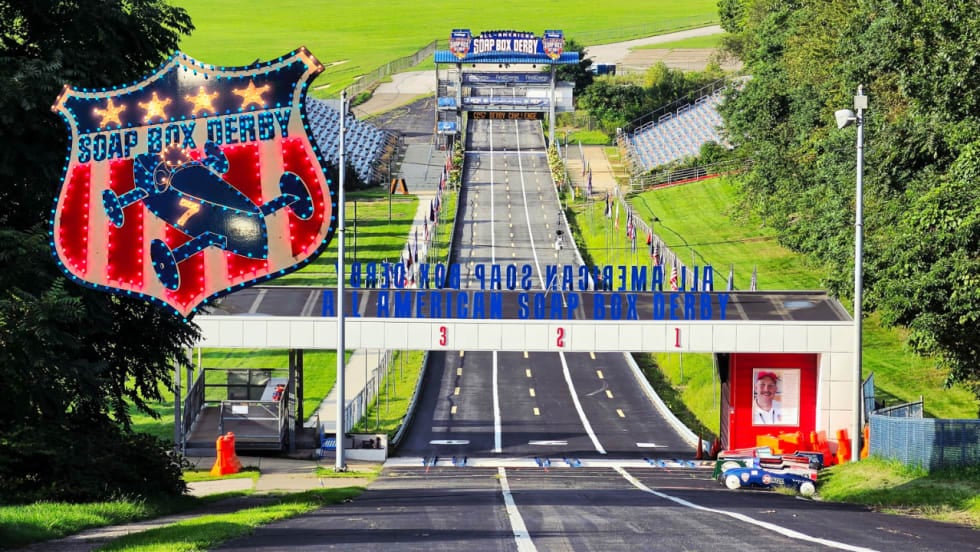
If We Want the Next Generation in Automotive, We Have to Give Them a Reason to Care
The automotive industry talks constantly about its workforce shortage. But before we can recruit the next generation, we may need to do a better job giving kids a reason to care about automotive in the first place.
Read More →
Ram ProMaster City Under $40K, Truck Tariffs, and AI Maintenance Lead the News
A sub-$40K commercial van, tariff questions, AI-powered maintenance, and a new EV production strategy headline this week’s Truck Chat Cheat Sheet.
Read More →
Bob Adamsky Shares the Fleet Lessons You Usually Learn the Hard Way
After more than 30 years in fleet, Arrow International’s Bob Adamsky has learned that the job is about far more than vehicles. He shares the lessons he wishes every fleet manager could learn a little earlier.
Read More →