




Upcoming Vehicles: 2024 Trucks & Vans for Commercial Fleets
DDA Transport's Strategic Vision for the Work Truck Industry
Learn how one fleet uses fleet tech and modernization to evolve into a transport powerhouse, growing a more sustainable fleet.

Hillary Weiss・Senior Editor
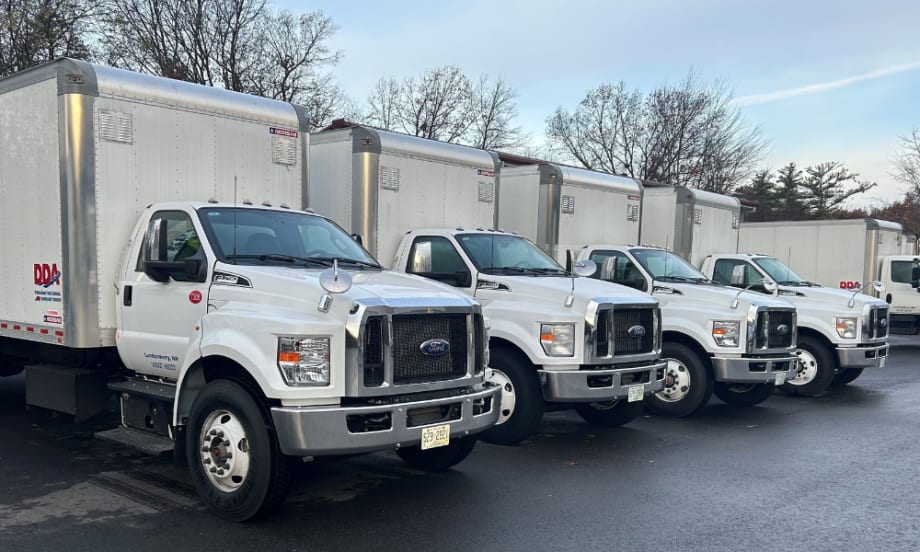
DDA Transport's fleet includes 125 tractors, 45 straight trucks, and 110 trailers.
Photo: DDA Transport
3 min to read
Staying ahead in fleet management requires a robust fleet and a commitment to innovation and adaptation.
DDA Transport, based in southern New Hampshire, exemplifies this ethos, having evolved from a truck and trailer repair company in 1986 to a prominent player in the work truck industry.
Dwayne D. Andreasen, president of DDA Transport, shared the company's history, fleet composition, ongoing projects, and valuable insights for fellow fleet managers.
DDA Services Expands Its Footprint
Founded in 1986, DDA Services initially focused on truck and trailer repairs, extending its services to large transportation companies in Northern New England.
DDA Transport was established in 1996, securing contracts with the U.S. Postal Service for local and regional mail delivery.
Over the years, the company expanded its footprint, hauling U.S. mail throughout the Northeast and collaborating with major entities such as FedEx Ground. DDA Transport's fleet includes 125 tractors, 45 straight trucks, and 110 trailers.
The fleet's strategic positioning spans New England, with additional trucks stationed in North Carolina, Ohio, Pennsylvania, Massachusetts, New Jersey, Vermont, and Maine.
DDA Transport's Telematics Triumph in Fleet Operations
DDA Transport focuses on fleet modernization, leveraging advanced technology, and exploring ways to reduce its carbon footprint through alternative fuels.
“We are working hard to update our fleet to utilize advanced technology. The COVID years set us back as trucks were unavailable, so now we are trying to play ‘catch up,’ “Andreasen said.
A standout accomplishment in the past year is the introduction of six new Ford F750 straight trucks powered by propane autogas in the New Hampshire U.S. postal fleet. This move aligns with the company's commitment to environmentally conscious practices.
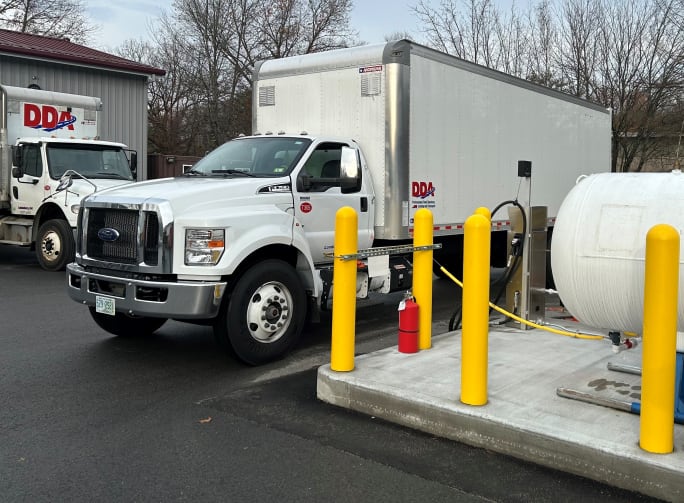
DDA Transport uses propane to fuel its fleet.
Photo: DDA Transport
DDA Transport's Dual Commitment to Tech and Safety
DDA Transport has harnessed the power of onboard technology to streamline its operations.
The implementation of telematics not only aids in vehicle tracking but also enhances:
Fuel tax reporting.
Payroll management.
Vehicle inspections.
Driver coaching.
“I suggest that every fleet manager find a good telematics system that does more than just track a vehicle. The technology available is amazing and can save countless hours of administrative work,” Andreasen advised.
The cornerstone of DDA Transport's success lies in its use of telematics and the recent integration of a Traffic Management System (TMS).
The TMS allows drivers to access their routes and schedules on in-cab tablets while dispatchers monitor delivery metrics in real time. This approach enhances:
Communication.
Route optimization.
Overall fleet efficiency.
Addressing the current challenges, DDA Transport emphasizes the importance of maintaining high standards despite a tight labor market.
“We have found that it is better to say no to work than to lower our standards because we thought we had to hire more drivers. It takes time to build a good reputation and can be ruined very quickly with a bad decision,” Andreasen said.
The company prioritizes safety by incorporating technology such as lane departure and collision avoidance systems, real-time tracking, and cameras to optimize routing and monitor driver safety.
The Success Blueprint: Technology, Safety, and Strategic Vision
DDA Transport's journey from a repair company to a thriving fleet management entity is a testament to its adaptability and commitment to excellence.
Andreasen's emphasis on the pivotal role of technology, commitment to safety, and strategic decision-making can help navigate a fleet from good to great.
Subscribe to Our Newsletter
More Operations

It's 10 p.m... Do You Know Who Has Access to Your Fleet?
Preventing cargo theft requires investment in technology, operational processes, and employee training. In an industry with tight margins, it can be difficult to justify investments whose value is measured by incidents that might never occur.
Read More →
GeoFencing Adds to Your Truck Security Arsenal
Geofencing is a familiar fleet tool today, but its early adoption marked a major shift in vehicle tracking, route monitoring, and the debate over employee privacy.
Read More →
Truckers’ Strike Rumors, New GM Engines, and Hidden Idling Costs Lead This Week’s News
Truckers’ strike rumors, GM’s new 2027 engines, hidden idling costs, racing lessons, IRP rules, and more headline this week’s Truck Chat Weekly Cheat Sheet.
Read More →From Our Partners
Basic Tracking vs Next Generation Fleet Technology
Sponsored by AT&T Business
5 Facts Every Fleet Manager Should Know About Embedded Telematics
Sponsored by Stellantis/Mobilisights
How AI Video Telematics Boosts Driver Safety and Helps to Avoid Unnecessary Costs
Sponsored by Verizon Connect

Charting the 8 Bottom-Line Benefits of Workforce Optimization
Sponsored by Verizon Connect


Shades of Fleet Wants to Hear From You About Building a Culture of Care
Fleet leaders, we want to hear from you. Share how empathy, trust, and creating space for people can strengthen your team, improve performance, and support retention.
Read More →
What Racing Can Teach Work Truck Fleets About the Work Nobody Sees
Race car driver and mechanical engineer Isaac Johnson shares practical lessons on preparation, relationships, setbacks, and building teams that perform when it counts.
Read More →
New Fleet Guides, Hidden Truck Wear, and Driver Fit Lead This Month
Our latest Truck Chat recap covers new Fleet Guides, hidden idling costs, driver fit, lighter-truck registration rules, and year-round technician appreciation.
Read More →
Work Truck Takes Fleet Rivalry Downhill to Support Skilled Trades
Team Fletcher claimed a head-to-head win and second overall as Work Truck and Automotive Fleet helped raise $22,000 for the Hourglass Foundation.
Read More →
From Ledger Books to AI Patti Earley Shares 40 Years of Fleet Lessons
Patti Earley, CAFM, shares what four decades in fleet have taught her about using data, building relationships, and listening to the people behind the vehicles.
Read More →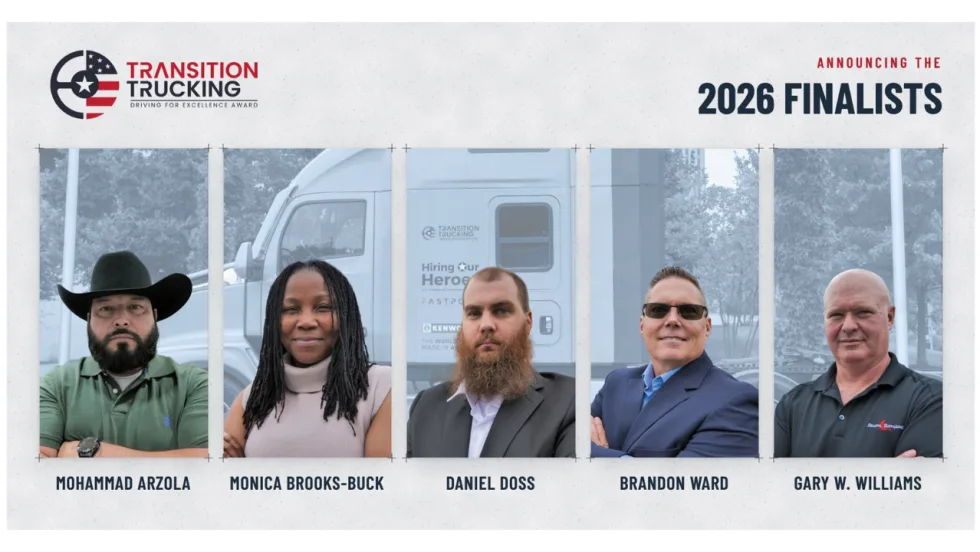
Finalists Announced for 2026 Transition Trucking: Driving for Excellence Award
Kenworth Truck Company, Fastport, and the U.S. Chamber of Commerce Foundation's Hiring Our Heroes program have announced the five finalists for the 2026 Transition Trucking: Driving for Excellence Award.
Read More →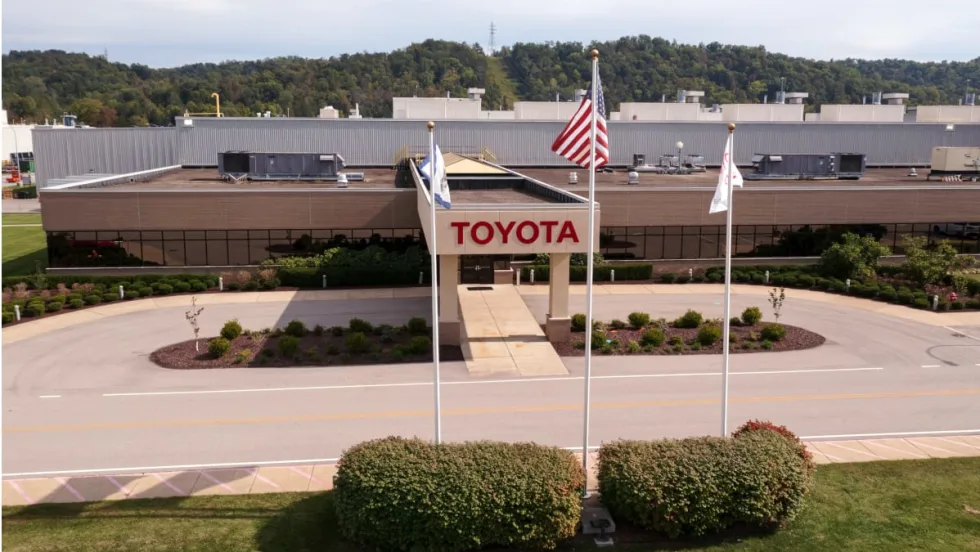
Toyota West Virginia Celebrates Three Decades of Manufacturing in the Mountain State
Toyota West Virginia celebrated 30 years of manufacturing. Toyota assembles both engines and drivetrain components in West Virginia to support its North American operations.
Read More →