


 MENU
 SEARCHMENUSEARCH
Loading data...

Optimizing productivity, reducing downtime, increasing efficiency, and ultimately keeping drivers safe are just a few ways a telematics solution can help benefit vocational truck fleets.
Read More →




The utility fleet industry is very labor intensive and often must help during emergency situations or during times of severe weather. Telematics can help keep a utility fleet going where it needs to be.
Read More →Data points, including location, engine hours, usage, fuel and battery levels, and maintenance schedules, are available in real time and accessible from desktop or mobile devices.
Read More →Route planning and optimization, scheduling, and complete visibility into a local delivery fleet are just some of the industry-specific benefits of a telematics solution.
Read More →While telematics systems are designed to improve fleet safety, merely installing a system isn't enough — it's how you manage the data and alerts with your drivers that really makes the difference.
Read More →Telematics can help field service fleets with dispatching, asset and personnel productivity, customer satisfaction, and more.
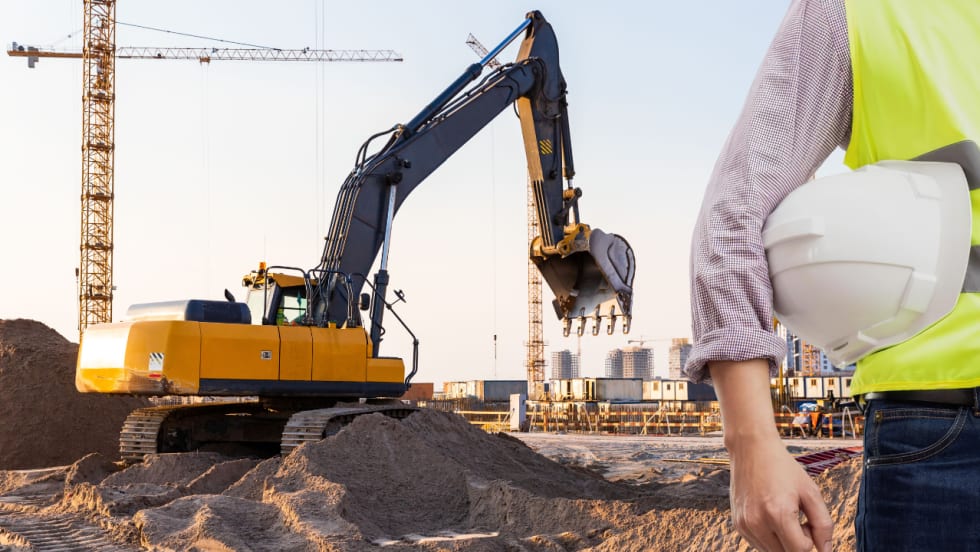
Read More →Construction fleets differ from other vocational fleets due to the types of equipment utilized, the heavier wear-and-tear put on assets, and vehicle/personnel use and planning based on site needs.
Read More →Most fleet managers know telematics is great for asset tracking, but there are many other underutilized components of a telematics solution that could be saving fleet managers time and money.
Read More →Through the alliance, fleet owners can choose to flow driving data collected by the TomTom Telematics Service Platform with WEBFLEET, the company's Software-as-a-Service (SaaS) fleet management solution, into the Verisk Data Exchange.
Read More →Geotab has announced support of compressed natural gas fuel level and temperature on all Momentum Fuel Technologies CNG fueling tanks and systems.
Read More →