


 MENU
MENU SEARCHMENUSEARCH
Loading data...

Bosch has developed the active gas pedal, which notifies the driver when to lighten pressure on the pedal, promotes lowered fuel consumption, and issues warnings to drivers when they are speeding.
Read More →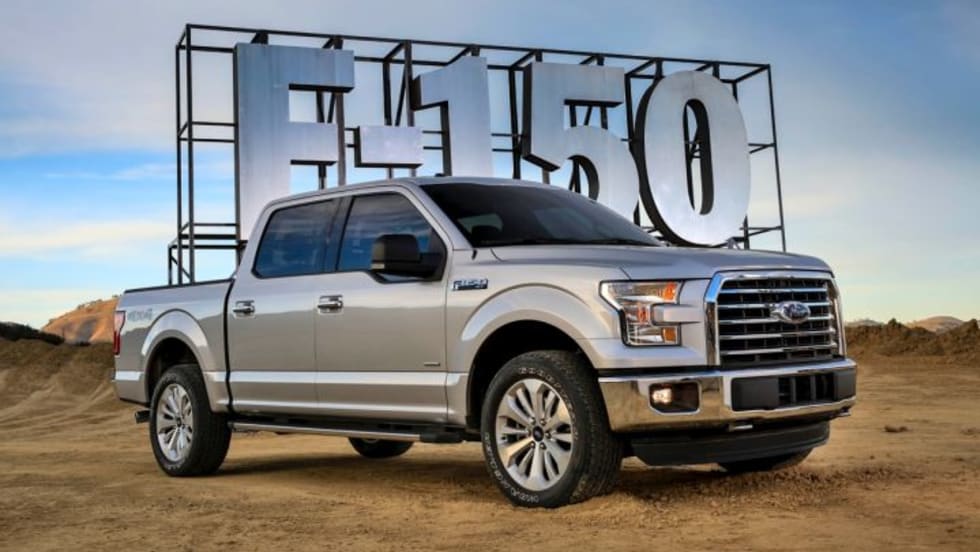

Ford is adding auto stop-start as standard equipment on 2017 F-150 trucks powered by EcoBoost engines, the truck maker has announced.
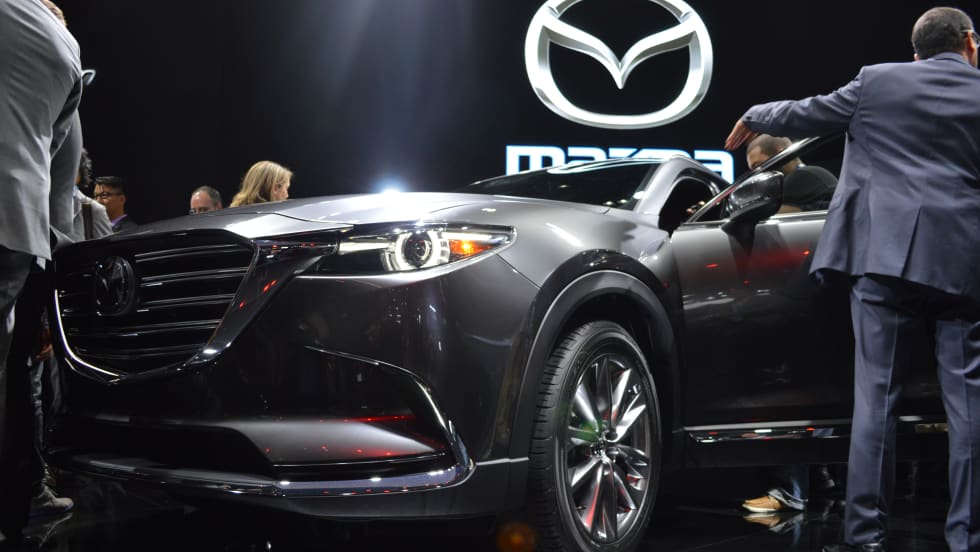
Read More →Mazda is relaunching its three-row CX-9 mid-size SUV for 2016 with improved performance, new safety features, and a fresh design nearly nine years after the first generation model.
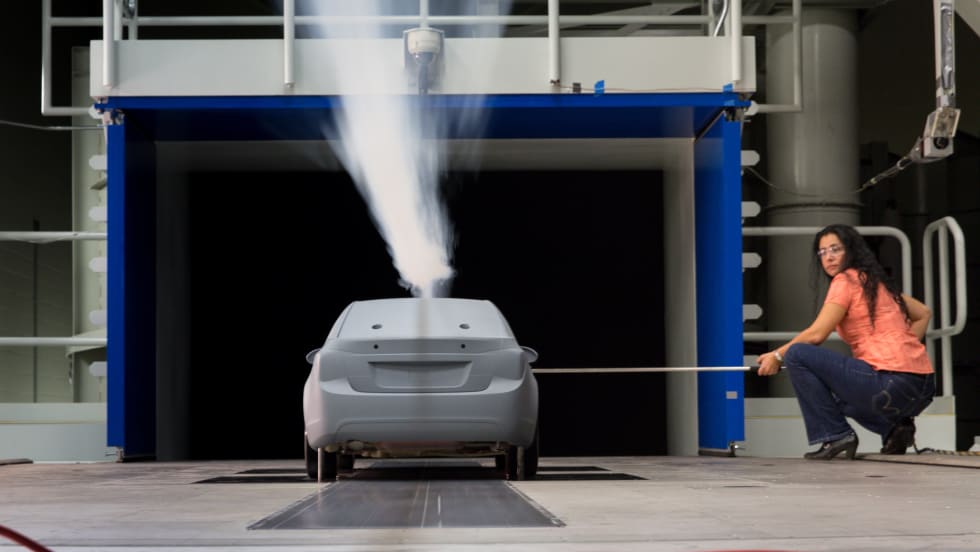
Read More →General Motors has begun using a new, 35,000-square-foot reduced scale wind tunnel to test clay models up to 40% of the scale of a vehicle to accelerate and verify fuel-saving designs earlier in development of new cars and trucks.
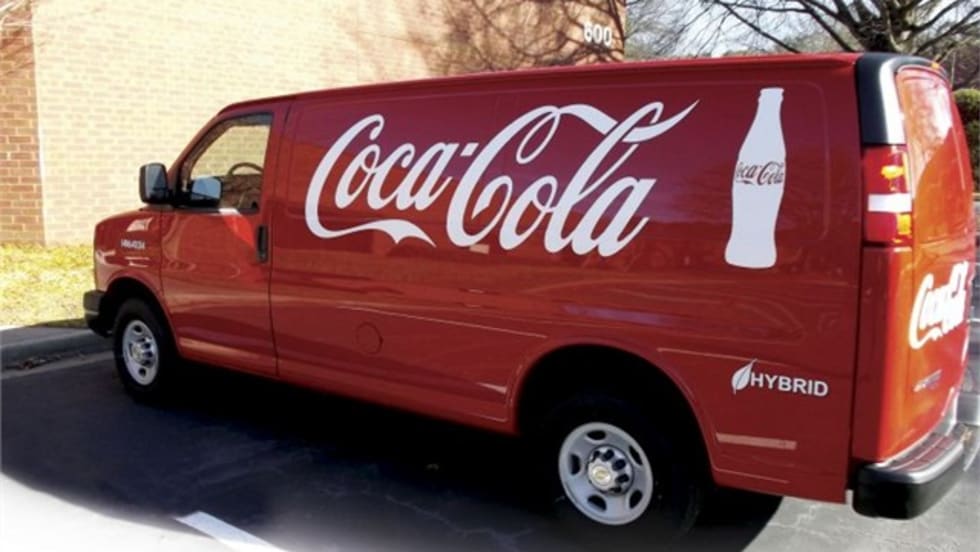
Read More →Coca-Cola and PepsiCo continue to find new ways to reduce their reliance on high-carbon fuels, improve their fleets' fuel efficiency, and maintain a level of transparency with the reporting of this information.
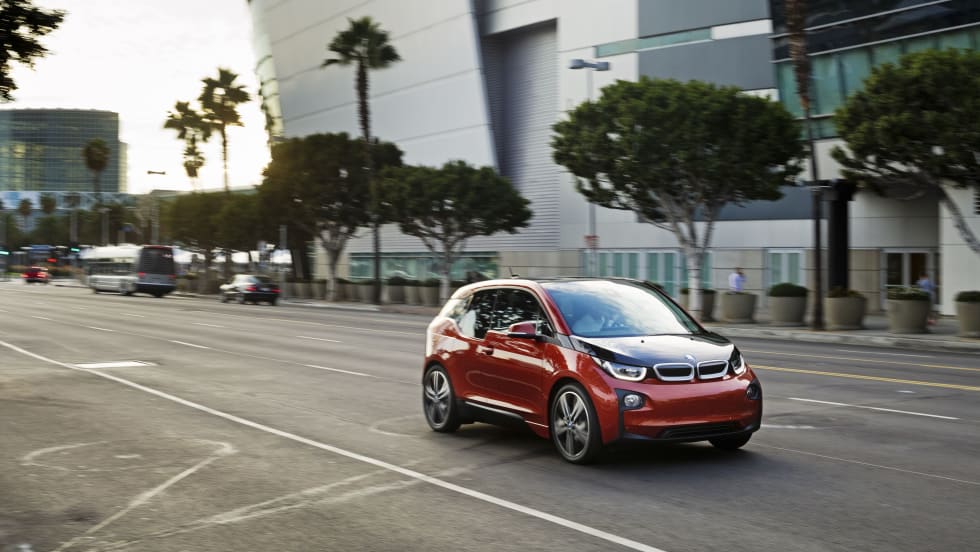
Read More →Three BMW vehicles made Kelley Blue Book's list of the 10 most fuel-efficient luxury cars of 2015 based on city, highway and combined fuel economy ratings from the U.S. Environmental Protection Agency.
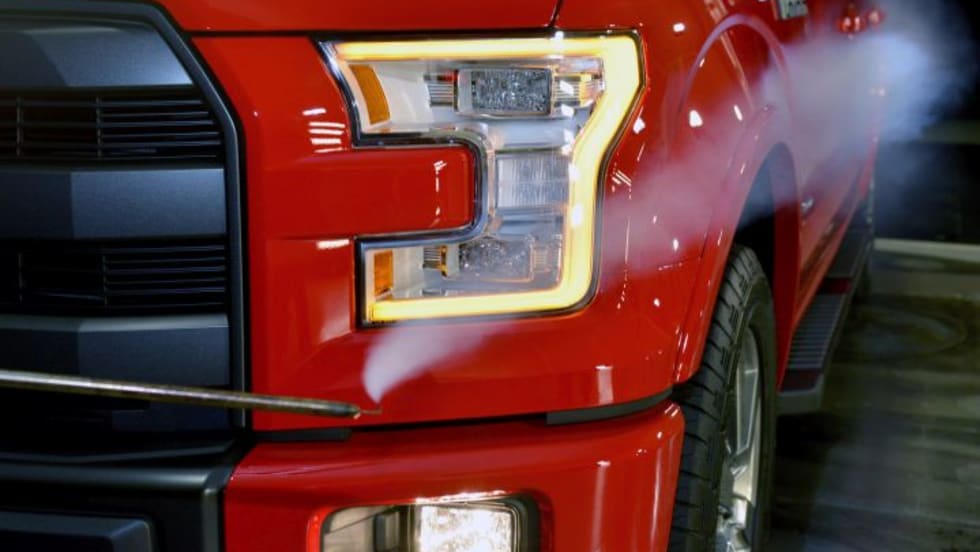
Read More →Ford implemented new air curtain technology on its 2015 F-150 that directs air flow in a way that reduces drag and aids fuel efficiency, according to Ford.
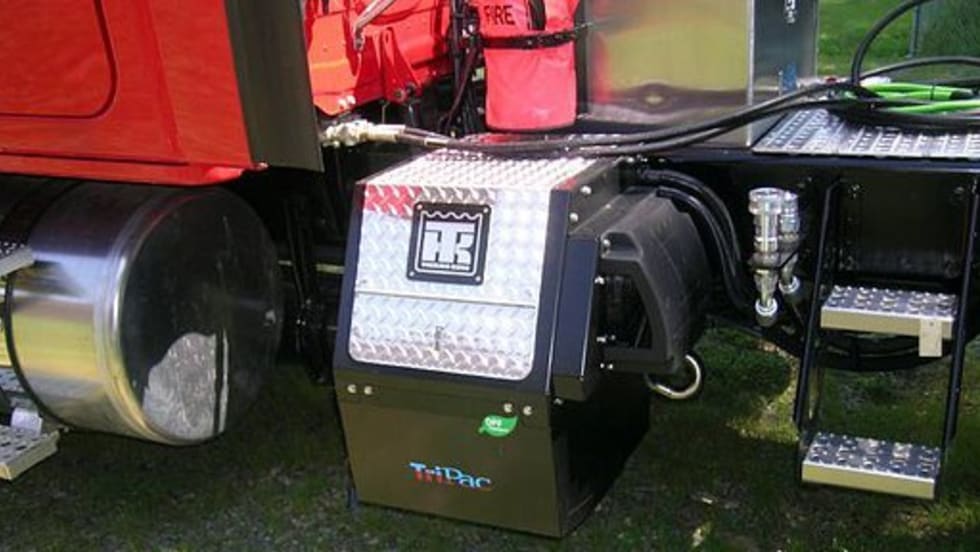
Read More →Key trends in auxiliary equipment specifications focus on driver productivity and idle reduction using telematics, safety enhancements with crash avoidance sensors, and maximizing space using multi-function equipment.
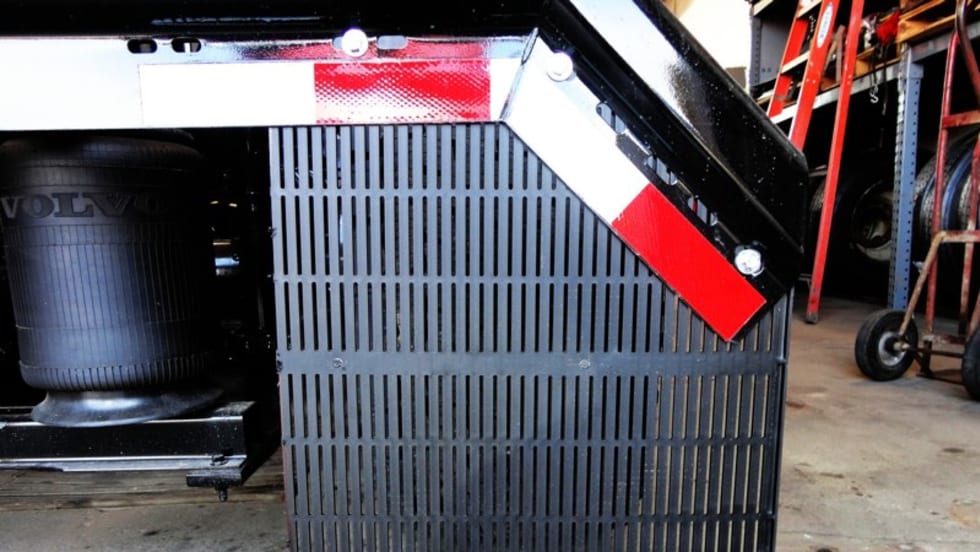
Read More →Mudguard Technologies announced the V-Flap II aerodynamic mud flap, the second generation of the company’s V-Flap product.
Read More →Even with falling gasoline prices, fleets need to monitor and measure fuel use by drivers. Many of the techniques to increase mileage and, consequently, productivity are tried and true, but there are still new ideas to explore.
Read More →