




Nissan's Decherd Powertrain Plant
Originally posted on Automotive Fleet
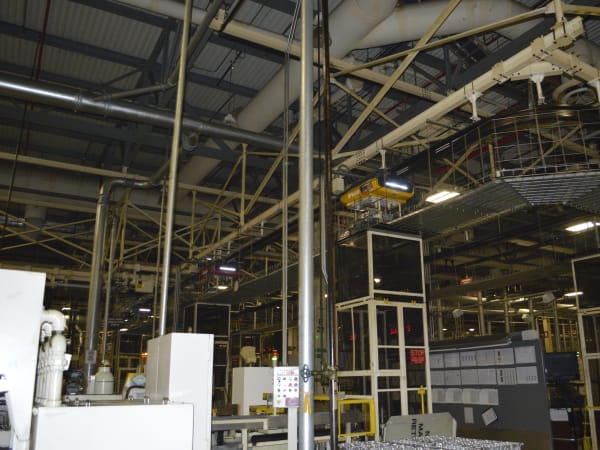
The Decherd Powertrain plant employs about 1,600 people, and is highly automated.
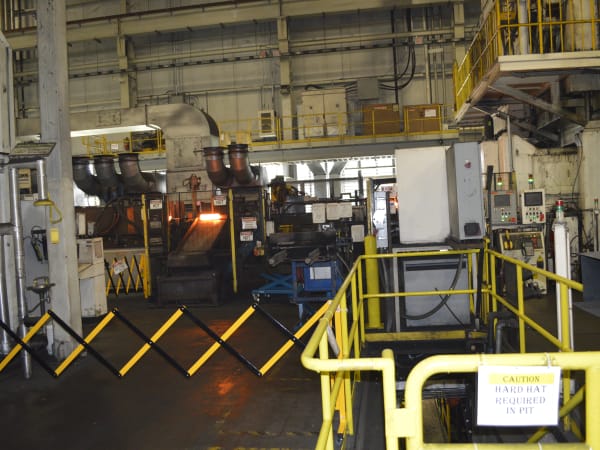
Super hot metal bars on their way to the forge.
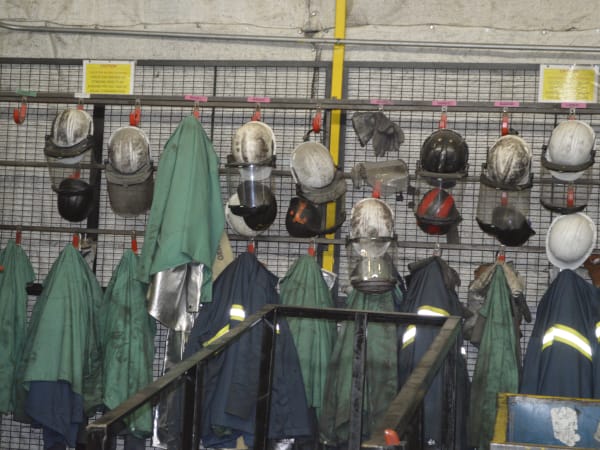
Workers who come in contact with super hot materials are equipped with protective head gear, coats, and gloves.
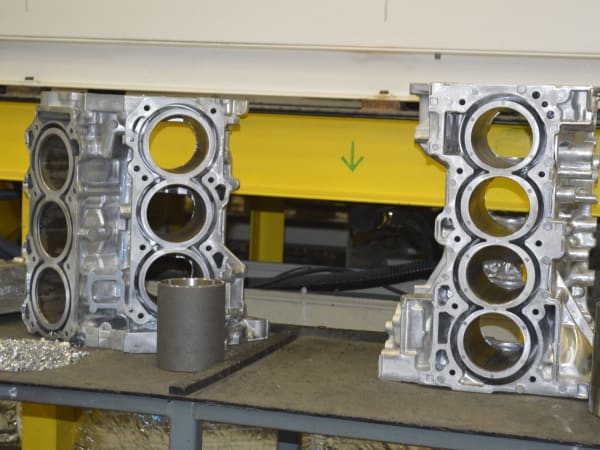
Finished aluminum parts. The aluminum shavings are collected and recycled.
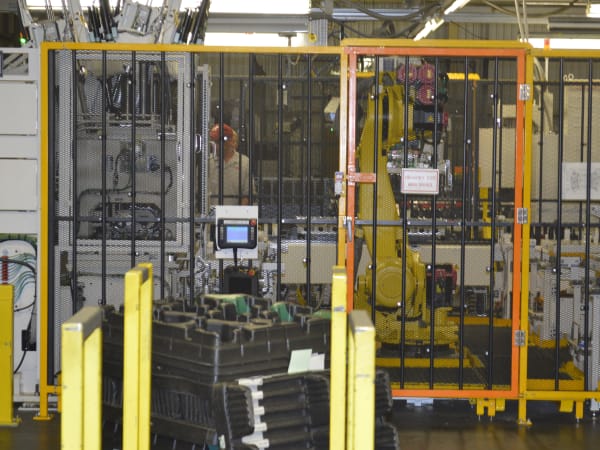
An engine undergoing automated crank testing.
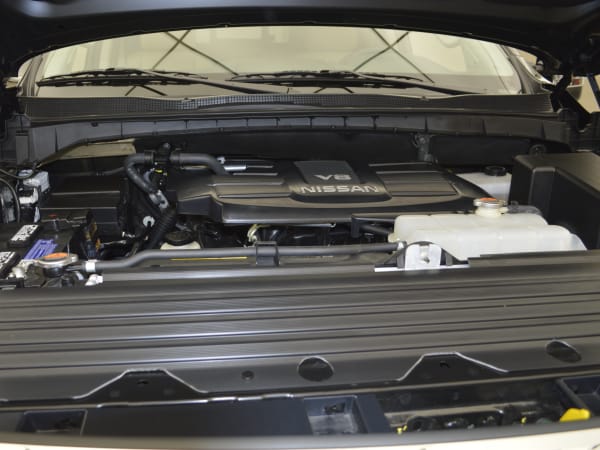
An example of a 5.6L V-8 gasoline engine in a MY-2016 TITAN XD. When engines go into production, they are immediately assigned to a vehicle. The does not produce extra engines.
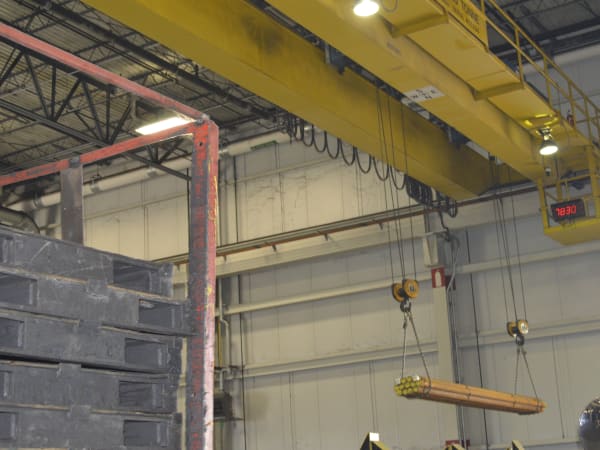
This raw material is used to forge the crankshafts for the various engines produced at the plant.
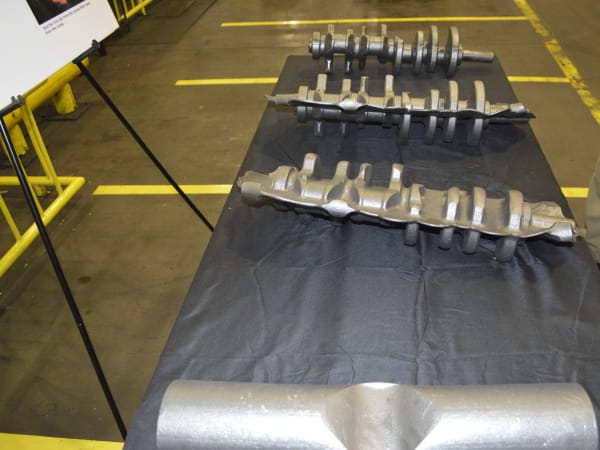
The 90-pound bar in the foreground is the type used to create a finished crankshaft similar to the one in the background. The crankshafts in the middle ground show the steps the metal goes through to reach the finished product.
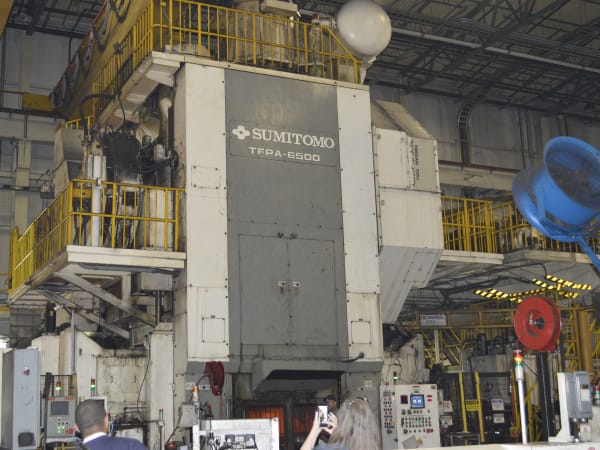
This Sumitomo forge is where the crankshafts go through the production process.
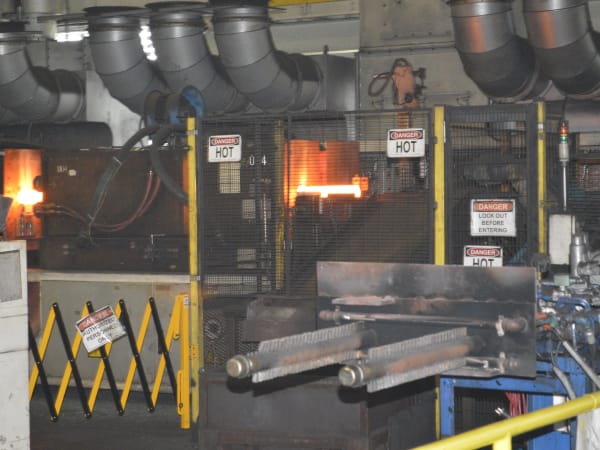
The forge, like other systems in the Decherd Powertrain Plant, is highly automated.
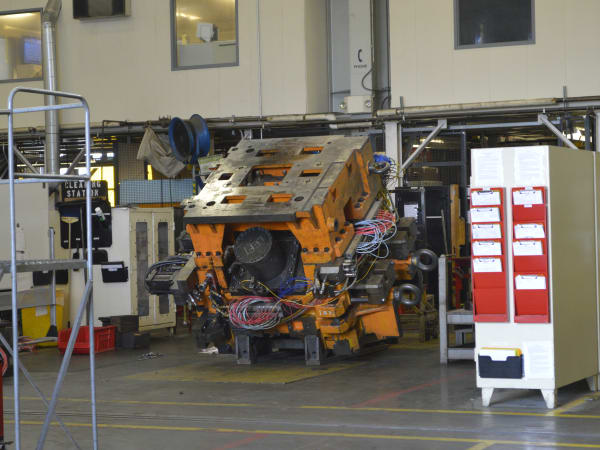
This die is used to stamp the crankshafts in the Decherd Plant. Dies are changed out frequently due to the stress they undergo from the heating and stamping process.
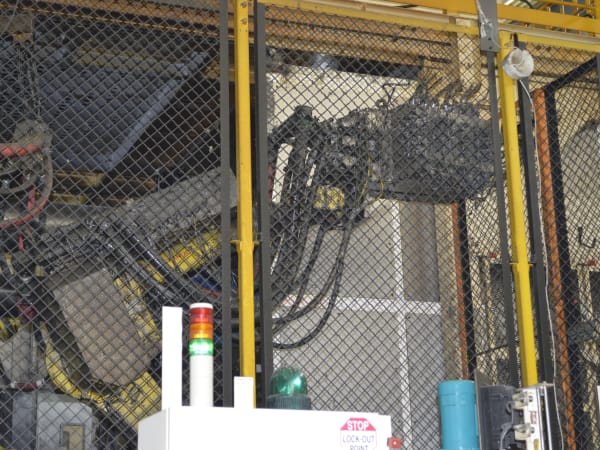
This is an example of one of the robotic systems used in the Decherd Powertrain Plant. Many of the robots were designed and built by engineers and technicians at the plant.
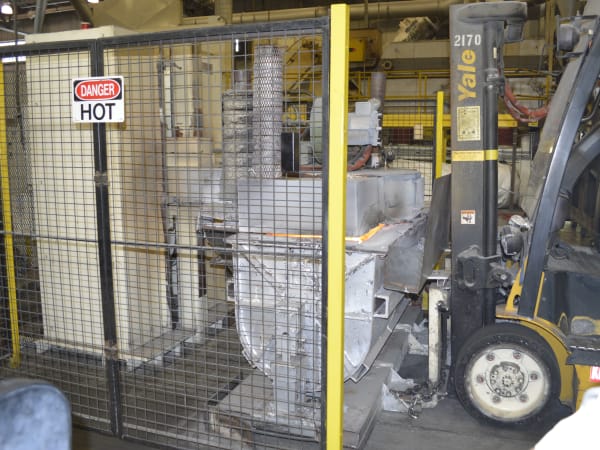
This crucible contains molten aluminum.
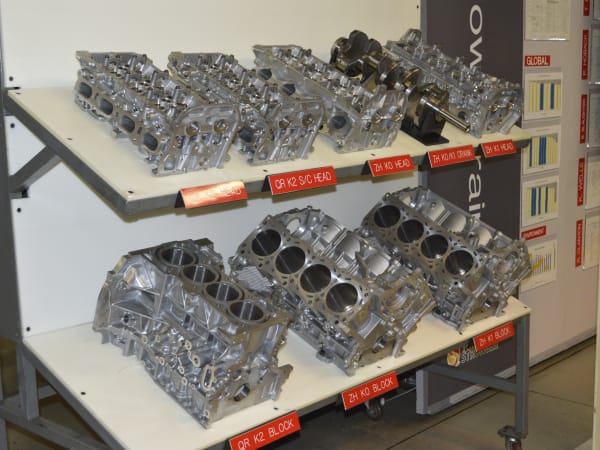
Examples of engine components of the various engine types produced at the Decherd Powertrain Plant.
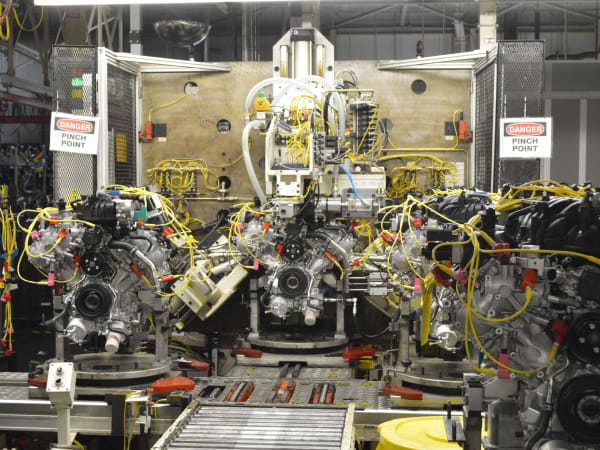
An engine being put through leak testing.
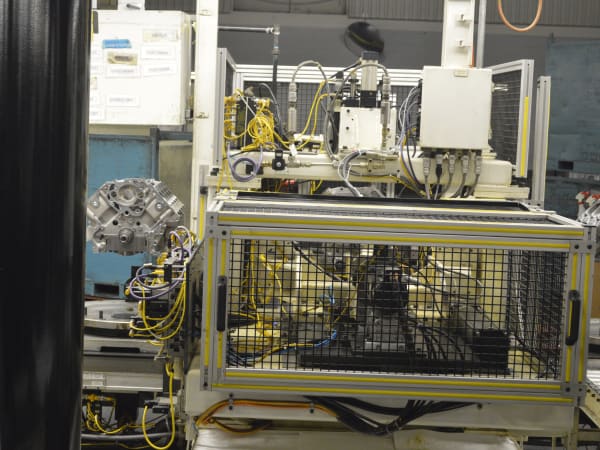
An engine undergoing cold fire testing.
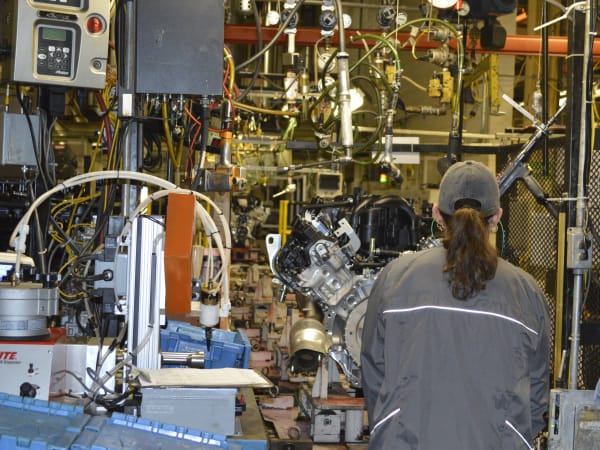
An engine undergoing hot fire testing.
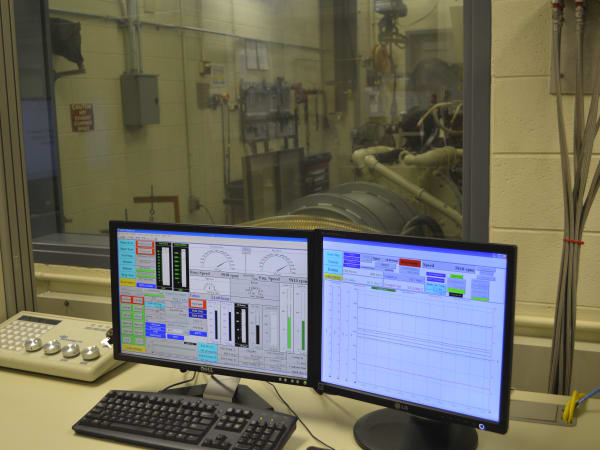
Every week an engine is pulled at random run on a dynamo for at least 100 hours.
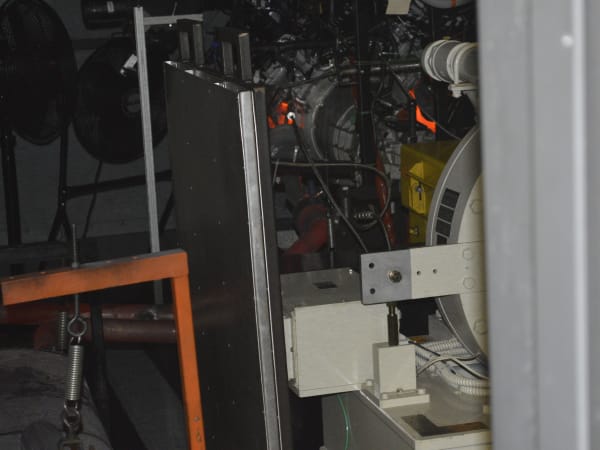
During the dynamo testing, the engine components become red hot, producing perceptible heat.
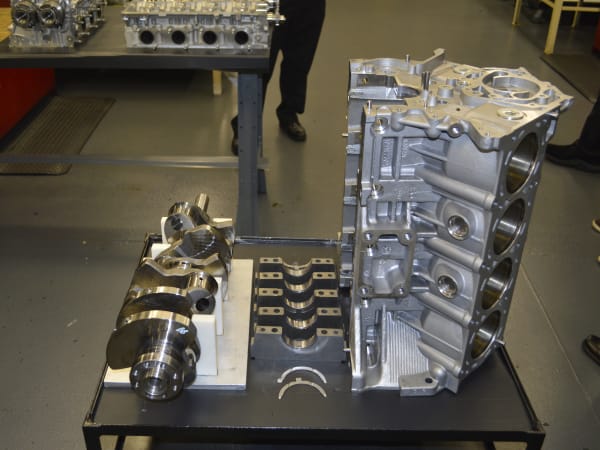
After being run on the dynamo, the engine is disassembled and examined by technicians for signs of wear and potential mechanical failures.