




How to Avoid Cargo Handling Injuries
Originally posted on Automotive Fleet
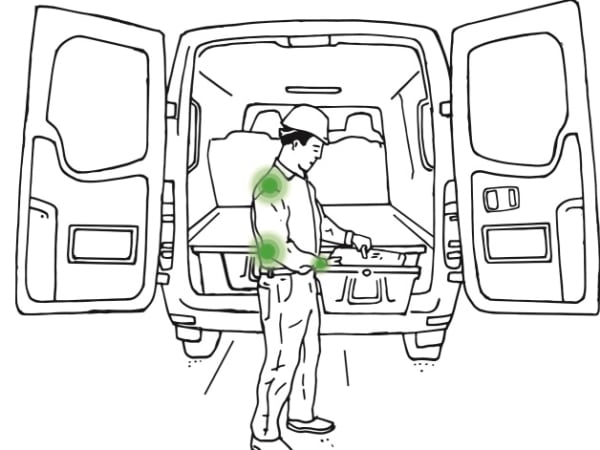
Improper ergonomic behavior can result in musculoskeletal injuries, which account for more than one third of all lost-workday cases, according to the U.S. Department of Labor Occupational Safety and Health Administration.
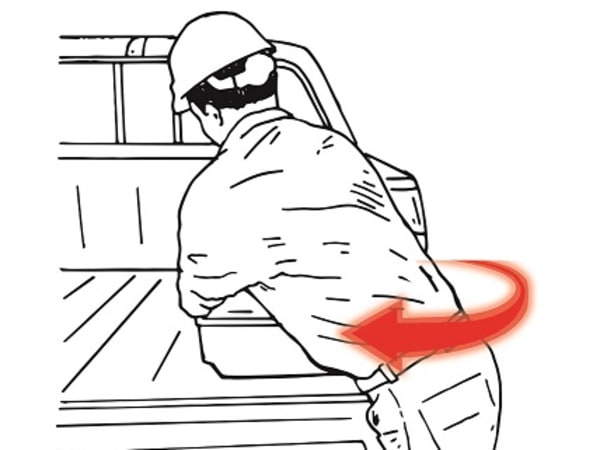
Awkward body positions increase your chance of a muscle or joint injury, and the risk is higher if you twist your body while working in these positions, according to the U.S. Department of Health and Human Services.
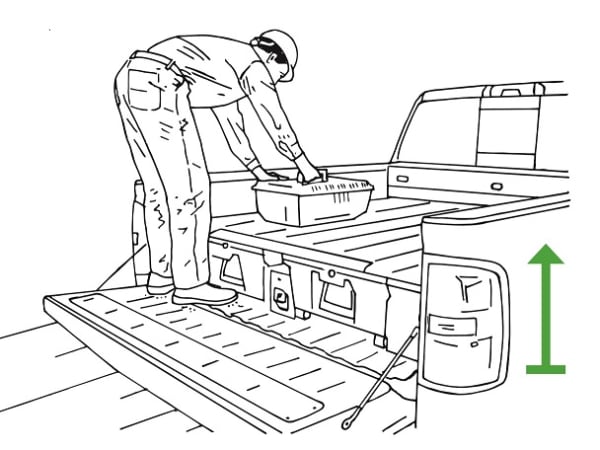
Storage units reduce the degree of reaching and stooping to retrieve items that are in the truck bed or cargo van. Items are able to be reached easily and conveniently, even when not in the drawers. This allows you to work within your Power Zone, according to DECKED.
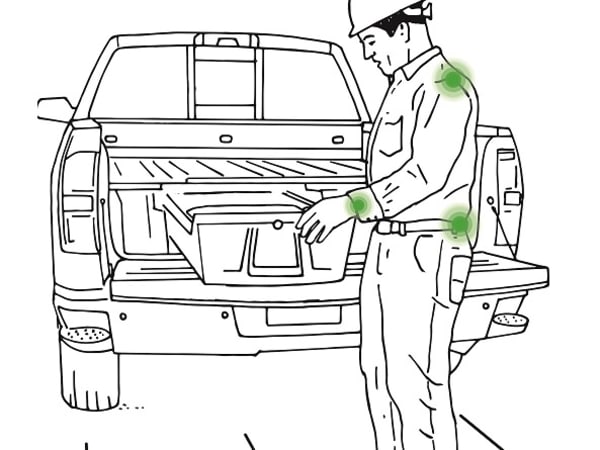
Cut-out work stations make reaching no longer necessary, and reduce trips in and out of vehicles by placing essential tools in a location that is in your Power Zone. Awkward postures are eliminated and work is more efficient and productive with chances of injury reduced, according to DECKED.
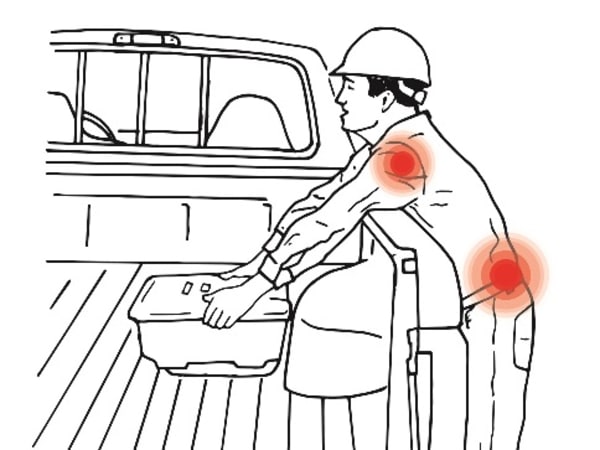
Frequent reaching over the side of a truck to reach an item resting on the bed floor or lifting an item from low position over the bed rail or tailgate can cause injuries. Keeping physical activity below the shoulders allows you to work in the Power Zone, according to DECKED.
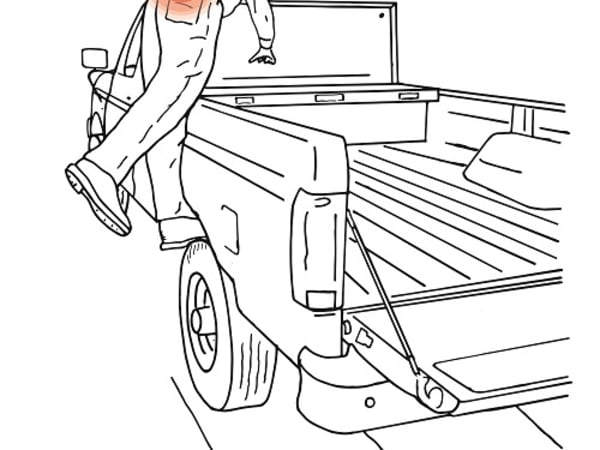
Unsafe footing increase the likelihood of low back pain and shoulder pain. Workers’ compensation costs for an average lost-time injury for a shoulder are $20,000, and $25,000 for a back injury, according to the U.S. Department of Health and Human Services.
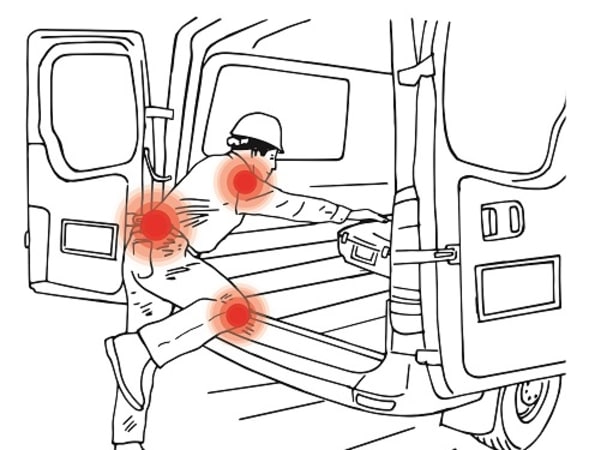
Stepping or crawling into a cargo van can cause musculoskeletal injuries since you end up working away from your Power Zone. The principle of the Power Zone is that in this area, workers have the greatest power to perform heavier work tasks with less bending, stooping, or reaching, according to DECKED.
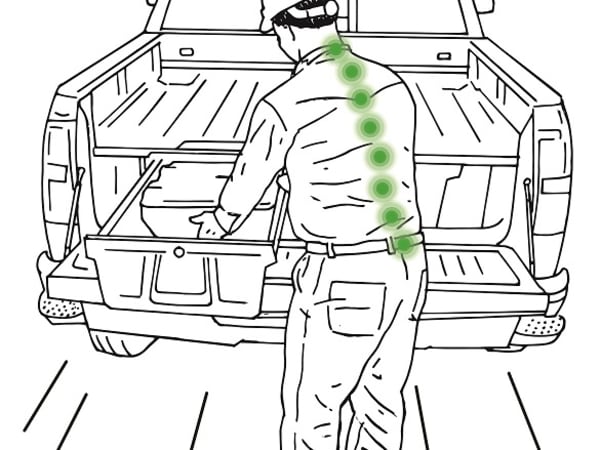
Vehicle storage units allow material to be presented at waist height in front of the worker, providing the most comfortable working posture. No twisting or unwieldy reaching is necessary as this neutral posture minimizes stress on the body, according to DECKED.
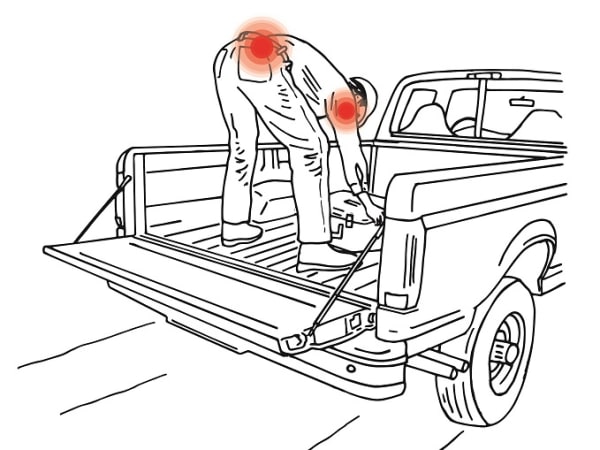
Standing on a tailgate or in-bed and stooping down to lift objects off the floor can make it harder to do your job. While stooping or kneeling, you can’t lift, push, or pull as much weight without putting stress on your body, according to the U.S. Department of Health and Human Services.
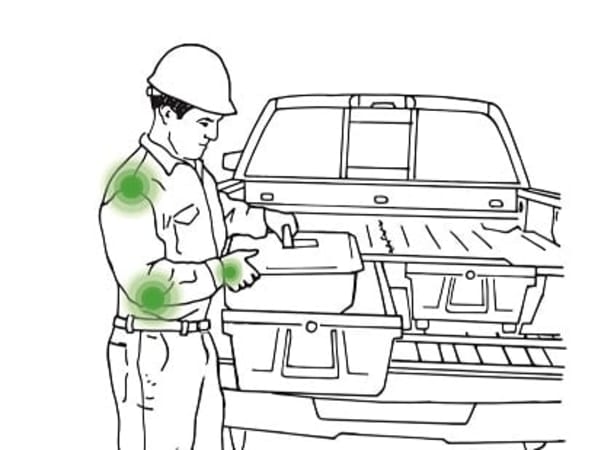
The human body is also stronger, more efficient, and less prone to injury when work is performed in midrange. Midrange postures are postures in which the joints are not bent in extreme positions, according to the U.S. Department of Health and Human Services.