




SCSPA Replacement Program to Focus on Pre-1994 Trucks
CHARLESTON, SC - Continuing its efforts to reduce port-related air emissions, the South Carolina State Ports Authority (SCSPA) has completed the first truck survey in the Southeast and is collaborating on a regional program aimed at helping truck owners replace the oldest trucks.
CHARLESTON, SC - Continuing its efforts to reduce port-related air emissions, the South Carolina State Ports Authority (SCSPA) has completed the first truck survey in the Southeast and is collaborating on a regional program aimed at helping truck owners replace the oldest trucks.
The truck survey, which was compiled by Wilbur Smith Associates, represents the first comprehensive look at trucks serving a major port in the region.
The survey examined fleet age and trip frequency for trucks working in the Port of Charleston, with emphasis on quantifying the population of the oldest trucks - those with engine model years 1993 and older.
The survey revealed that a relatively small number of trucks - the true local drayage fleet - do most of the work in the port.
Of the nearly 13,000 individual trucks that visited the port's terminals during a 12-month period, 20 percent of the trucks moved about 90 percent of the cargo. Of the trucks that visited the port at least 52 times a year, about 10 percent (or 262 trucks) were pre-1994 model year trucks.
To reduce emissions and assist truck drivers in replacing their pre-1994 trucks with newer, more efficient rigs, the SCSPA is collaborating with the Coalition for Responsible Transportation (CRT) and the Environmental Defense Fund (EDF) on a program that would cover ports across the region.
"Both the Coalition for Responsible Transportation and the Environmental Defense Fund have had great success working with ports on truck programs that make economic and environmental sense for our industry," said Jim Newsome, president and CEO of the SCSPA. "We've been pleased to collaborate with them and we look forward to formulating a voluntary, regional approach."
The multi-dimensional program, which could be implemented as soon as next year through a mix of public and private funding, could involve one or more of the following elements:
A "scrapping" incentive for truck owners to replace their pre-1994 trucks.
Low-interest loans or leases on new trucks.
Retrofits to further reduce emissions from diesel engines.
The right kind of truck replacement program is good for the environment and for the truck owner as well. Newer trucks increase the owner's productivity and profitability by reducing maintenance and fuel consumption.
Importantly, the program would help make upgraded equipment attainable and financially viable for all truck owners, both companies and independent owner-operators.
"Local truckers are a vital component of the maritime transportation industry," said Newsome. "It is essential that we have a healthy, profitable local drayage fleet. This program will provide a means to upgrade equipment, cut operating costs, while realizing environmental benefits for the Charleston area."
"Trucking represents an essential part of commerce," said James Jack, executive director of CRT, a national coalition of leading cargo owners, trucking companies, ocean carriers and clean truck manufacturers. "Our goal is to engage stakeholders from the public and the private sector to work together to reduce diesel pollution at our ports. The Port of Charleston demonstrated its leadership early on in the process and will be instrumental to the program's overall success."
"Collaboration among groups creates solutions that mean real strides in reducing pollutants in our communities," said Dr. Elena Craft of EDF, a national environmental non-profit that partners with business, governments and communities to find practical environmental solutions. "The SCSPA's efforts are encouraging, and we look forward to working with the Port of Charleston on this endeavor."
The truck program will continue the SCSPA's successful collaboration with the local transportation industry on environmental projects. In two Diesel Emissions Reduction Act (DERA) grant rounds, the SCSPA developed more than $5.2 million in programs to cut emissions and fuel consumption. These projects installed cleaner, more fuel-efficient engines in port equipment (such as cranes and harbor craft) and helped trucking companies and owner-operators upgrade more than 110 trucks, improving fuel utilization while reducing air emissions.
The SCSPA's "Pledge for Growth" environmental program has been recognized for its environmental leadership by numerous organizations from within and outside the industry, including the EPA, the American Association of Port Authorities, Inbound Logistics magazine and the Maritime Association of South Carolina.
The truck survey is available here.
More Operations
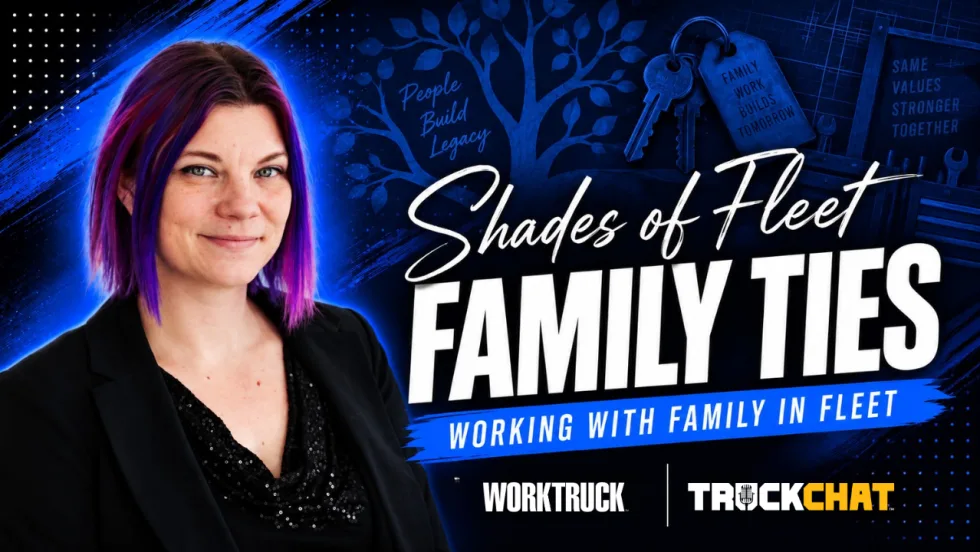
Family Ties Inside the Fleet Families Building Careers Across Generations
Three fleet families share what it really takes to work together, learn across generations, and keep business from following them home.
Read More →
Shades of Fleet Call for Voices: Fleet's Hidden Heroes
Fleet’s hidden heroes are often the ones keeping everything moving behind the scenes. September’s Shades of Fleet is looking for dispatchers, coordinators, parts specialists, and other support pros to share their stories.
Read More →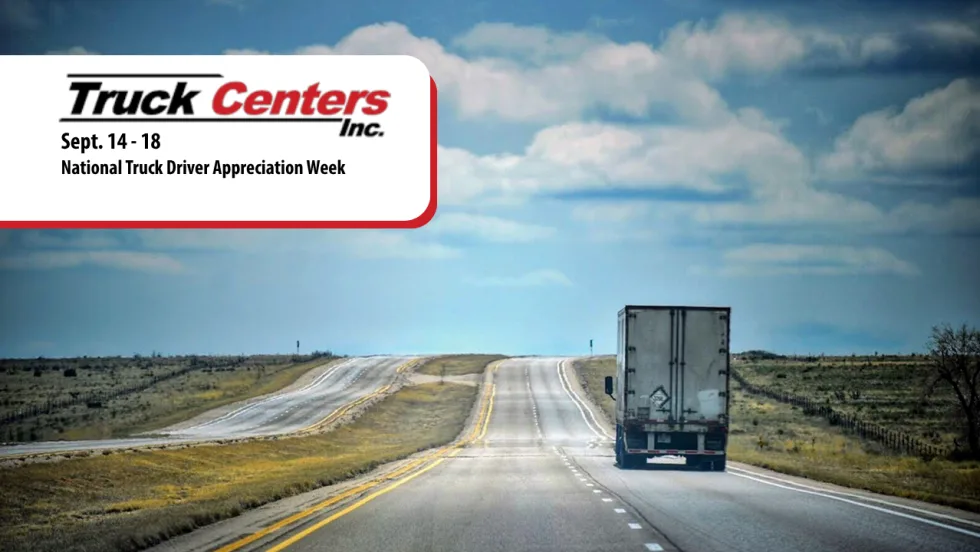
Truck Centers, Inc. Celebrates National Truck Driver Appreciation Week with $1,000 Fuel Card Giveaways
During National Truck Driver Appreciation Week, Truck Centers, Inc. is offering customers a chance to fuel up for free. Customers at all Truck Centers locations can enter to win one of four $1,000 fuel cards from Sept. 14 - 18.
Read More →From Our Partners


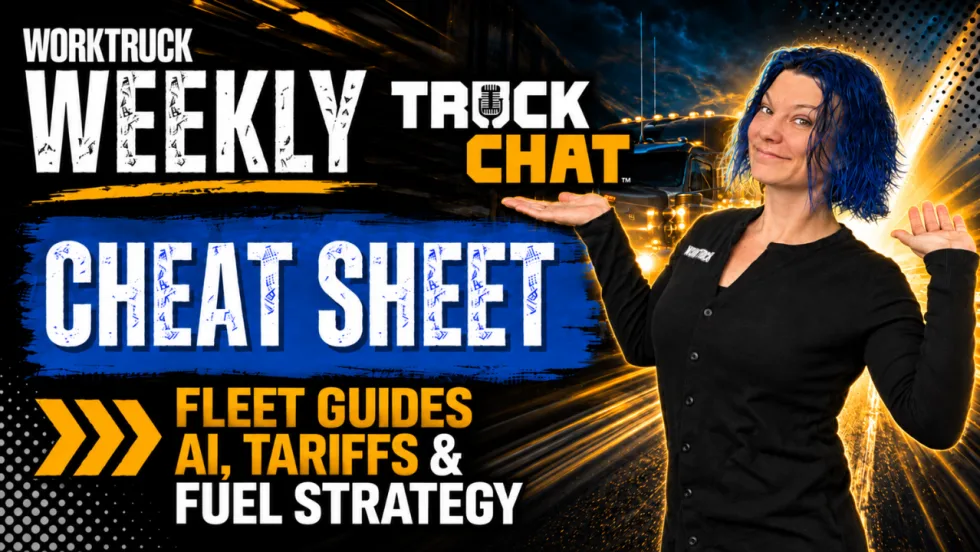
Fleet Guides, AI Time-Savers, Truck Tariffs & Fuel Strategy Lead the News
This week’s Truck Chat Cheat Sheet covers new fleet vehicle guides, practical AI use cases, U.S.-Canada truck production, mixed-energy strategy, and more.
Read More →
What Fleet Employers Are Missing When Hiring Veterans
What if some of the strongest candidates for fleet are already out there, but their experience is written in a language our industry does not always recognize?
Read More →
Automotive Fleet Opens 2026 Personal Use Survey for Commercial Fleet Managers
Less than two weeks left! Commercial and corporate fleet managers are invited to share how their organizations handle company vehicle personal-use policies, charges, and driver eligibility.
Read More →
What Resilient Fleets Do Differently When Conditions Change
Fleet resilience is about more than reacting to disruption. Lauren Fletcher talks with AP Fleet’s Alex Coveney about flexibility, planning, scaling, and what helps fleets adapt when business conditions shift.
Read More →
If We Want the Next Generation in Automotive, We Have to Give Them a Reason to Care
The automotive industry talks constantly about its workforce shortage. But before we can recruit the next generation, we may need to do a better job giving kids a reason to care about automotive in the first place.
Read More →
Ram ProMaster City Under $40K, Truck Tariffs, and AI Maintenance Lead the News
A sub-$40K commercial van, tariff questions, AI-powered maintenance, and a new EV production strategy headline this week’s Truck Chat Cheat Sheet.
Read More →
Bob Adamsky Shares the Fleet Lessons You Usually Learn the Hard Way
After more than 30 years in fleet, Arrow International’s Bob Adamsky has learned that the job is about far more than vehicles. He shares the lessons he wishes every fleet manager could learn a little earlier.
Read More →