




Keeping Trucks Safely on the Road
Regardless of the size of the fleet's trucks, drivers, must observe safety precautions at all times, from inspection to destination and back.
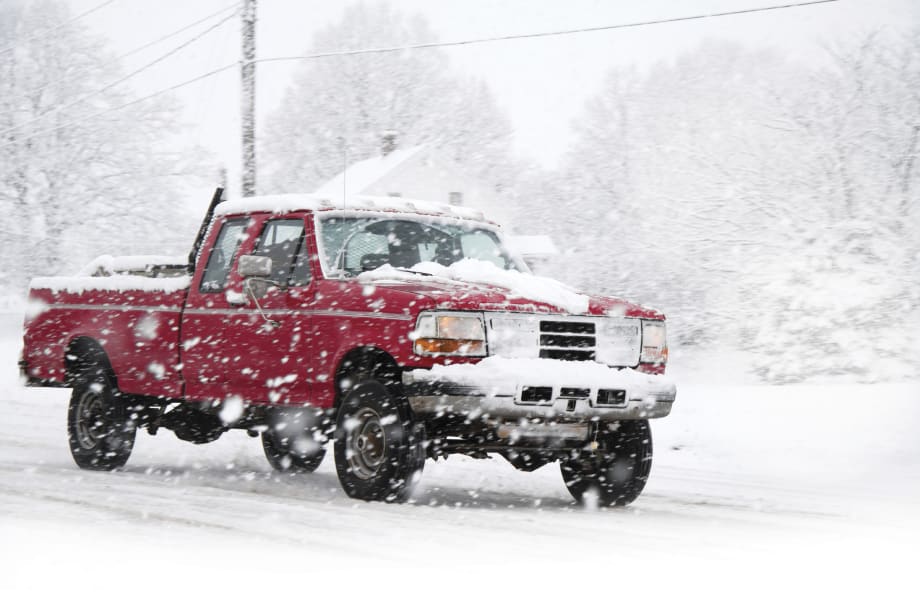
Image courtesy of iStockPhoto.com.
Image courtesy of iStockPhoto.com.
Although the primary goal of good truck driving practices is to keep you and others safe on the road, good driving has the additional benefit of preventing unnecessary wear and tear on light- or medium-duty trucks and helps control insurance costs.
Here are 10 key safety tips to remember while on the road:
1. Know the limits.
On long road trips, it’s easy to get drowsy, and that’s when accidents happen. Ensure drivers start their trips fresh, and, if they feel fatigued on the road, instruct them to pull over and take a nap.
2. Check the brakes.
Brake failure is obviously a potential disaster. Check brakes often and carefully, especially if driving through mountainous areas or on steep declines.
3. Check tires.
A blowout on the road can endanger the driver and other vehicles. An ounce of prevention — a timely tire replacement — is worth a pound of cure.
4. Keep a space bubble.
Trucks do not stop on a dime — even light-duty trucks take time, especially when carrying a full load. And, remind drivers that braking time increases substantially in rain, on snow or ice, and when going downhill.
5. Pay super-close attention in work zones.
Besides the fact that speeding in a work zone can result in the loss of a driver’s license, the risk of a serious accident is much higher.
6. Zero distracted driving.
Cell-phone use while driving, especially texting, is becoming an epidemic. In addition, eating behind the wheel or trying to figure out directions while driving are also serious distractions.
7. Keep all safety items stocked.
A driver’s safety kit should include items such as usable spare tires, tools, flares, reflective triangles, and first aid supplies. The unexpected can happen at any time on the road, but, if drivers are prepared, they will be able to make the most of whatever bad situation comes their way.
8. Always wear a seat belt.
It may be obvious, but wearing a seat belt is so important that it must be mentioned.
9. Exercise patience.
Like driving while texting, road rage is another modern driving phenomenon that can cause serious safety and liability issues. Instruct drivers to avoid confrontations with other drivers, as this will only make a bad situation worse. On heavily trafficked roads, drivers should be prepared for vehicles to attempt to pass on the right or where there is insufficient space to safely do so.
10. Don’t speed.
Driving too fast for conditions is a common cause of truck accidents, and one of the most common reasons to be issued a ticket. Speeding isn’t worth losing a license, and, with that, a driver’s job. Remind drivers that it’s far better to arrive a few minutes late than not at all.
The Bottom Line
Driving a truck, whether small or large, is a big responsibility. Great drivers are well aware of this, and take a professional, disciplined approach to road safety, whether they are going across the country or across the street.
Scott Van Beek has more than 15 years of experience at Raney’s Truck Parts, specifically working for the service center. He has been in the hydraulics industry for almost 40 years.
Originally posted on Automotive Fleet
More Operations

Team Fletcher Takes 2nd Overall at the Corporate Soap Box Derby
Team Fletcher came to Akron as a rookie and left with a win over Team Brown, a second-place overall finish, and $22,000 raised for The Hourglass Foundation. See how race day unfolded.
Read More →
Shades of Fleet Call for Voices: Fleet's Hidden Heroes
Fleet’s hidden heroes are often the ones keeping everything moving behind the scenes. September’s *Shades of Fleet* is looking for dispatchers, coordinators, parts specialists, and other support pros to share their stories.
Read More →
What is the WEX NAM Summit?
What makes the WEX NAM Summit different from other fleet industry events? It's a meeting of the minds that brings fleet and mobility leaders together to discuss emerging trends, AI, new solutions, best practices, and the future of the industry.
Read More →

With 293% 3-Year Revenue Growth, Fleetworthy is One of the Fastest-Growing Private Companies in the U.S.
Fleetworthy has been named to 2026 Inc. 5000 list of fastest-growing private companies for the second consecutive year. It ranked No. 2 overall in the Albany-Schenectady-Troy, New York metro area.
Read More →
EV Fleet Reality, Ford Fathom, Robots, and Smarter Fleet Tech Lead the News
EV fleet lessons, Ford’s new Fathom electric truck, robots, manufacturing shifts, and smarter fleet technology headline this week’s Truck Chat Cheat Sheet.
Read More →
Elite 11 Semi-Finalists Announced for the 2026 Transition Trucking: Driving for Excellence Award
The 11 semi-finalists for the 2026 Transition Trucking: Driving for Excellence award have been announced. The award honors the achievements of military veterans who have transitioned into careers in the professional trucking industry.
Read More →
Are You Saying These Work Truck Company Names Correctly?
Think you know how to pronounce the biggest names in work trucks? We asked the companies themselves to settle it once and for all.
Read More →
Why Reactive Fleet Management Is Becoming Too Expensive to Sustain
Research highlights a growing need for proactive management strategies to address rising costs in fleet operations effectively.
Read More →
Is Your Fleet Structure Built to Scale?
As fleets grow across regions, structural inconsistencies can increase costs, limit visibility, and create operational risk. This guide helps fleet and business leaders evaluate whether their current operating model can support growth without sacrificing control or performance.
Read More →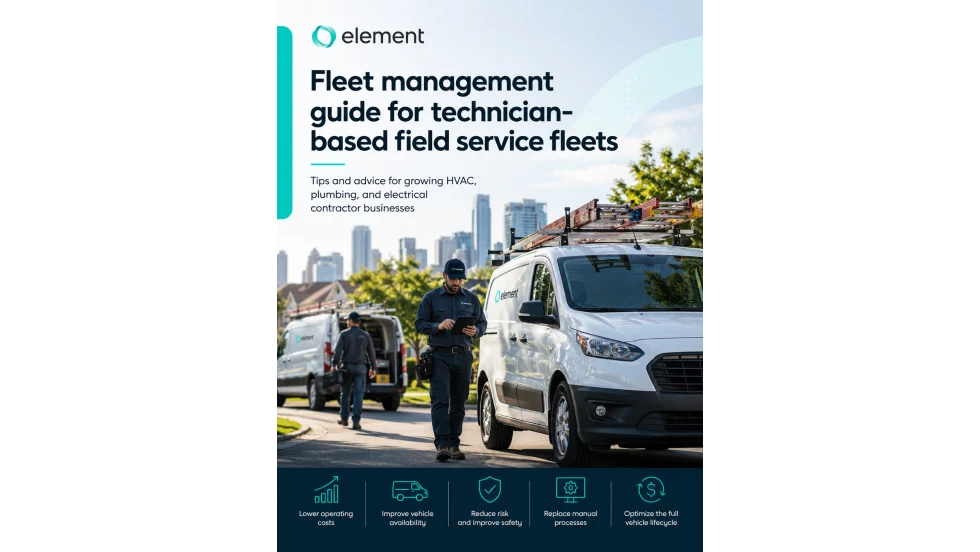
Fleet Management Guide for Growing Field Service Fleets
As HVAC, plumbing and contractor businesses grow, fleet complexity can begin to affect technician productivity, customer response times, operating costs, and revenue. This guide helps field service leaders build a more structured approach to managing vehicles, drivers, maintenance, safety, and lifecycle decisions.
Read More →