





Going Electric: Proterra, Komatsu to Electrify Underground Mining Machines
What Does Proterra Bankruptcy Filing Mean to Commercial Fleets?
Proterra has stated it intends to continue operations as it proceeds through the bankruptcy process. It will continue to focus on EV battery production.
August 9, 2023
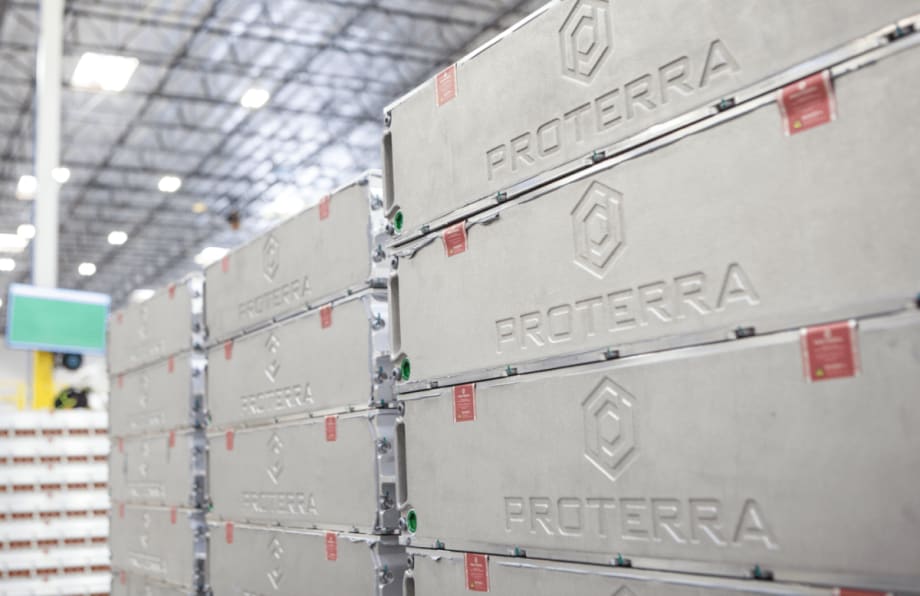
Proterra will continue to focus on its electric vehicle battery supply efforts.
Photo: Proterra
3 min to read
On August 7, Proterra announced that it filed for a voluntary Chapter 11 reorganization. According to a release from Proterra, the filing is intended to “maximize the value of the business and product line potential.”
The Company will continue to operate as an electric vehicle technology provider.
The move comes weeks after Lordstown Motors filed for bankruptcy protection and put itself up for sale after failing to resolve a dispute over a promised investment from Foxconn.
According to a report from Reuters, Proterra, whose shares nearly halved in value after the bell, listed its assets and liabilities in the range of $500 million to $1 billion. The Company had a market value of $362 million as of the last close.
In January 2021, Proterra was valued at $1.6 billion, including debt, in a merger deal with a blank-check firm.
Proterra intends to continue to operate in the ordinary course of business as it moves through this process and plans to file the customary motions with the Bankruptcy Court to use existing capital to fund operations, including paying employee salaries and benefits and compensating vendors and suppliers on a go-forward basis following Chapter 11 rules, all while ensuring business continuity for customers.
“Proterra is at the forefront of innovations driving commercial vehicle electrification. We know we’re building industry-leading products that our customers want and need,” said Gareth Joyce, Proterra CEO. “The foundation we have built has set the stage for decarbonization across the commercial vehicle industry as a whole, and we recognize the great potential in all of our product offerings to enable this important transformation. This is why we are taking action to separate each product line through the Chapter 11 reorganization process to maximize their independent potential.”
What About Commercial Trucks?
Proterra has stated it intends to continue operations as it proceeds through the bankruptcy process. It will continue to focus on EV battery production.
The Company introduced zero-emission, electric transit buses to the North American market in 2010, which have now cumulatively amassed more than 40 million real-world service miles and displaced over 180 million pounds of CO2 emissions.
Proterra battery technology is also powering more than 20 commercial vehicle applications spanning Class 3 cargo vans through to Class 8 semi-trucks, as well as off-highway equipment in the construction and mining segments in the U.S., European, and Asia-Pacific markets. The Company has installed more than 100 megawatts of heavy-duty EV charging infrastructure to support commercial vehicle fleets across North America.
Quotes from the CEO give the feeling of a shift toward a stronger focus on being an EV battery technology supplier.
Work Truck will continue to update our readers as we hear more about the filing and how it will impact fleets operating Proterra vehicles today.
More Vehicle Research
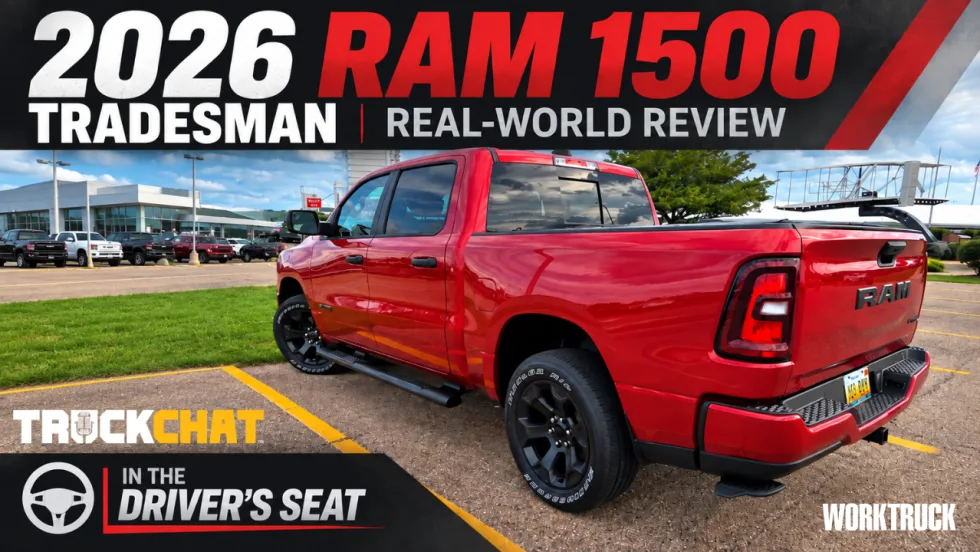
2026 Ram 1500 Tradesman Put to a Real-World Fleet Test
A few days behind the wheel of a 2026 Ram 1500 Tradesman turned into a test of visibility, parking, work-ready features, and even severe-weather driving.
Read More →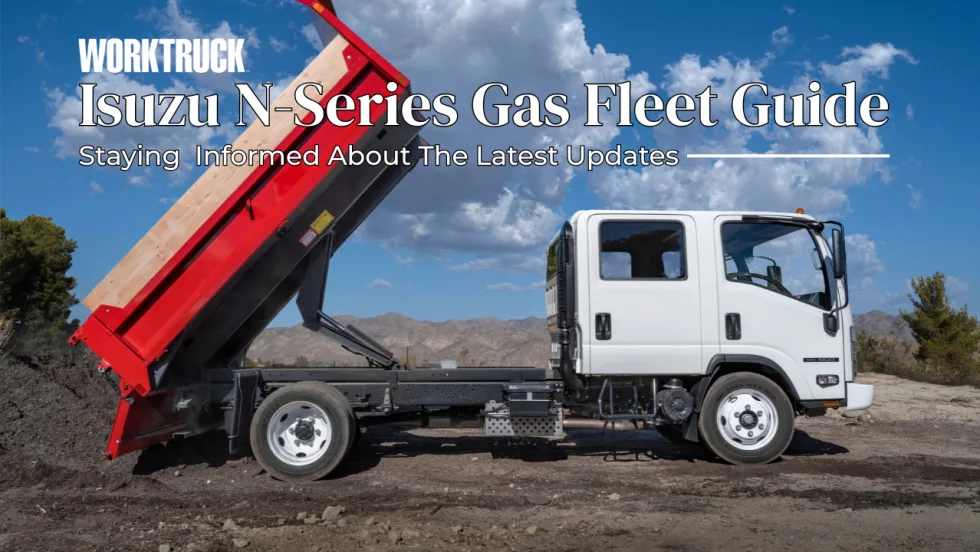
Isuzu N-Series Gas Fleet Guide: Specs, Capability and 2027 Model-Year Updates
Explore Isuzu Truck North America’s N-Series Gas fleet specs, engine performance, GVWR and payload capability, configurations, chassis dimensions, work-focused features, and 2027 model-year information.
Read More →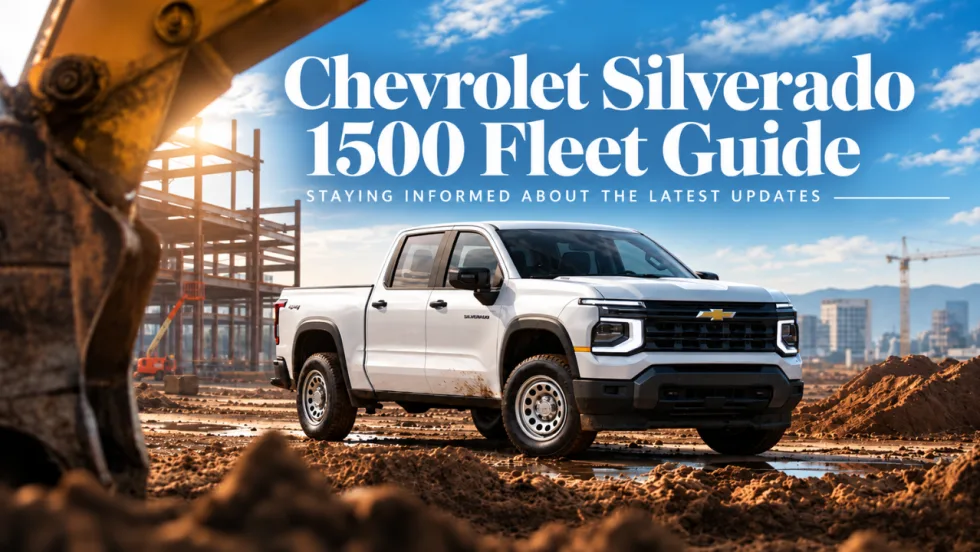
Chevrolet Silverado 1500 Fleet Guide Specs Capability and 2027 Model-Year Updates
The next-generation 2027 Chevrolet Silverado 1500 brings new V-8 engines, updated technology, expanded safety features, and a fleet-focused Work Truck. Here’s what commercial fleets need to know so far.
Read More →
Ram ProMaster City Fleet Guide Specs Cargo Capacity and 2027 Updates
Work Truck’s Ram ProMaster City Fleet Guide tracks the latest specifications, cargo capability, configurations, fleet technology, pricing, and model-year updates for Ram’s mid-size commercial van.
Read More →
Ford F-150 Fleet Guide Specs Capability and 2026 Model-Year Updates
Explore 2026 Ford F-150 fleet specs, engines, towing and payload capability, configurations, work features, technology, and model-year updates.
Read More →
TCI Now Sells & Supports Battle Motors’ Vocational Trucks
Midwest truck dealer Truck Centers, Inc. (TCI) has expanded its transportation solutions with sales and service support for Battle Motors’ heavy-duty vocational trucks at locations in locations in Indiana, Illinois, and Missouri
Read More →
Ram 1500 Fleet Guide Specs, Capability and 2027 Model-Year Updates
Explore always up-to-date Ram 1500 fleet specs, engines, towing and payload capability, configurations, technology, pricing updates, and model-year changes.
Read More →
Peterbilt Trucks Equipped with Paccar TX-18 Pro Boost Efficiency for Maryland Fleet
Patuxent Companies is replacing aging trucks with the Peterbilt Model 567 and Model 589, specified with the Paccar TX-18 Pro 18-speed automated transmissions, and is reporting an 8% to 10% improvement in fuel economy.
Read More →
Stellar Expands into Fire Apparatus Market with Acquisition of Midwest Fire
Stellar Industries has acquired Midwest Fire, a custom fire apparatus manufacturer headquartered in Luverne, Minnesota, with nearly four decades of specialized apparatus experience.
Read More →
Recalls You Need to Know About in August 2026
If you have Altec, Chrysler, Ford, Heil, General Motors, International, Mack Trucks, Paccar, Rivian, Royal Truck, Toyota, US Truck Body, or Volvo Trucks vehicles in your fleet, you should check these important recalls issued by the National Highway Safety Administration.
Read More →