




Learn More: The Evolution of Camera Tech & Safety
I-Sticker Telematics Device Simplifies Data Collection
The stick-and-go solution reduces vehicle downtime that results from complicated dongles and installation processes.

Lexi Tucker・Former Senior Editor
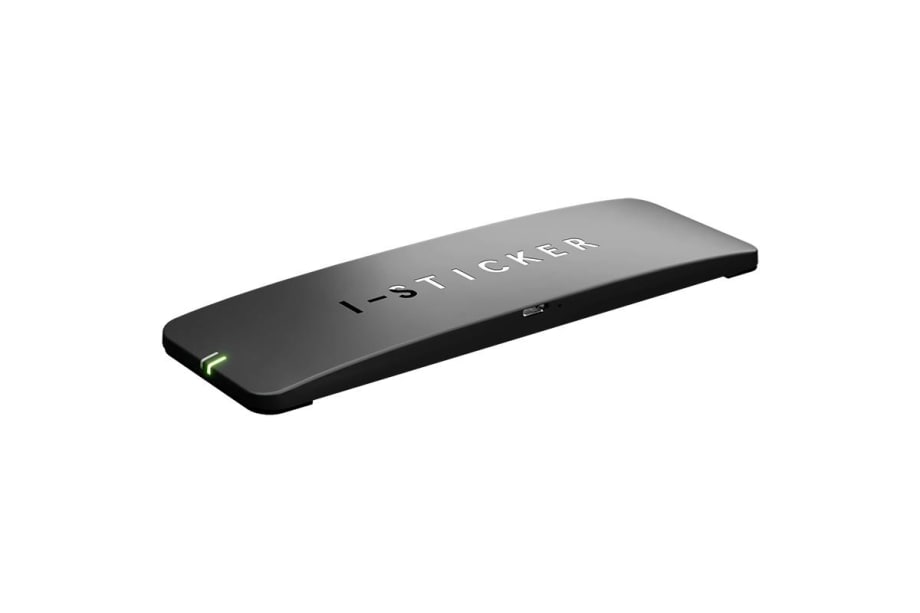
The stick-and-go solution reduces vehicle downtime that results from complicated dongles and installation processes.
Photo: I-Sticker
5 min to read
Some fleets desire extremely in-depth information from the telematics solution they’ve decided to use. While being able to track vehicle health is important, there’s more to reducing downtime than just keeping track of miles driven and engine idle time. Driver behavior plays a large role in keeping a truck ready to work.
Roman Ferster, CEO of RGRAUTO Inc., has been working in the IoT and safety solutions industry for almost 20 years, mainly with corporate, commercial, and government fleet customers. Now, his company is bringing the I-Sticker to the American market: a small telematics device with two adhesive pads that can be stuck to the inside windshield of a vehicle.
While the I-Sticker was only recently introduced to the US, the company has been selling them in Europe since 2018. They’ve garnered the business of several large customers, including insurance, fast-moving consumer goods, and pharmaceutical companies.
“Most telematics systems require professional installation,” said Ferster. “No matter how simple or difficult, it's still extra work that can lead to vehicle downtime and even risk damage to the vehicle.”
The I-Sticker enables fleet managers to remove complicated installation procedures from the process of implementing telematics. Like every electronic device, traditional solutions can fail at some point, meaning drivers will have to take time out of their day to bring the vehicle back so the tracker that is physically connected to the vehicle can be removed, repaired, and/or replaced.
“When you are going to install traditional telematics in hundreds, or even thousands, of vehicles, it can take many months and even a year to complete the installation process for the entire fleet. It takes so long that by the time you finish, you need to start again because of updates, upgrades, vehicles changes, etc,” he said.
The I-Sticker collects data like any traditional telematics tracker: using internal components like a GPS module, G sensor, accelerometer, movement sensor, and Bluetooth or optional e-SIM in order to send captured events to the cloud. In order to avoid sending excessive data, the I-Sticker uses patented smart algorithms so only the data you need is transmitted to the cloud. Since it is totally wireless, it doesn’t monitor factors like engine health or fuel levels, but it does detect driver behavior like harsh acceleration, hard braking, cornering, and speeding; can be used to track vehicles with geofencing; route history; and more behaviors that can be causes of vehicle downtime.
For first-time initialization, drivers simply download the mobile app, hit the calibrate button, and the device is ready in one minute. If something happens to the device, it can be easily removed from the windshield and sent back for a repair or replacement without extra costs and downtime.
Helpful Features
I-Sticker also has a Bluetooth low energy (BLE) function that enables it to connect with other systems, like a driver’s smartphone or tablet, and use them as a modem. This eliminates the need for another SIM card, which requires a contract with a service provider.
Another advantage of the embedded BLE module is the automatic Driver ID functionality. When a driver gets in their truck, their phone automatically pairs with the device without the need for any special actions by the driver. Fleet managers can see a logbook with the name of the driver.
“Let’s say after one month, you get a ticket, other violation, or any complaint. It’s simple to go into the system and figure out who was behind the wheel at the time so you can correct the behavior,” he said.

Data Collection and Visualization
While telematics devices typically collect similar data, the main difference lies in the dashboard/portal fleet managers use to access that data.
With the sheer amount of data collected, it can be extremely difficult to break down what information is actually helpful. A problem that comes with collecting this data is that drivers tend to see these devices as a form of policing. Drivers tend to leave their employer because of systems with the “big brother” image. In most cases, fleet owners and managers do not have the time and resources to work with big data.
“There’s no need to follow everyone; not all your drivers are doing something wrong. I-Sticker is an assistant and coach rather than a spy. If a driver exceeds a defined threshold, like speed limit, driver hours, or acceleration, he receives real-time feedback and you receive an alert to your phone, email, or via scheduled reports. This way, you’ll only be receiving data that will help you to manage your fleet effectively. With I-Sticker, instead of drowning in endless streams of emails and excel sheets, you can focus on only the 20% of data you really need to,” he explained.
By using this smart telematics technique, a fleet manager won’t have to train or hire extra employees to analyze data, reducing the total cost of ownership of the system. The I-Sticker software collects data in an intuitive way and presents it in a user-friendly graphic interface.
“A fleet manager can see everything from the first click on the dashboard without needing to dig deeper into the portal,” he said.
While I-Sticker offers an analytically powerful portal and an easy-to-use dashboard, if a customer would prefer to use the I-Sticker with a dashboard from another provider, they can. The company uses a standard API in order to transmit all data to the cloud of its partners and third parties.
Another important advantage of the I-Sticker is that it helps fleet managers to connect all their vehicles and assets into one unified system regardless of their type. Fleet unification is a real challenge for diverse fleets with different types of vehicles, years, makes, and standards. With I-Sticker, it doesn’t matter if it is a 1957 Chevy or 2021 Ford, they can become IoT connected in no time with no hassle.
“These vocational fleets need to be moving and bringing in money. They don’t need complications that will require them to go somewhere and wait for three hours until the installation is done,” Ferster concluded.
More information: contactus@rgrauto.com
Subscribe to Our Newsletter
More Technology & AI
How Fleets Can Use Technology to Fight Fuel Fraud
Fuel fraud and theft remain significant challenges for commercial fleets, whether the problem involves third-party fraud or driver misuse. In this video, David Abraham of WEX explains how SecureFuel uses vehicle geolocation, telematics, transaction information, and AI to help fleet managers identify suspicious fuel purchases and make more informed decisions.
Read More →
Can AI Agents Help Small Work Truck Fleets Do More With Less?
Motive's new AI Agents automate fleet safety, maintenance, compliance, and dispatch tasks. Here's how they work for smaller fleets, what managers control, and what early users are seeing.
Read More →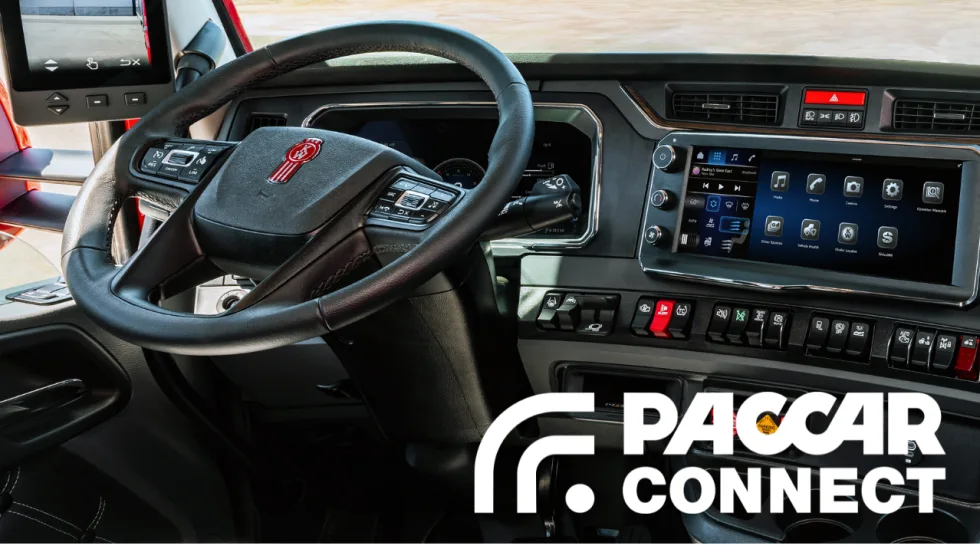
Paccar Launches Paccar Connect for Peterbilt and Kenworth Trucks
The new Paccar Connect offers touchscreen displays, telematics capabilities, and an expanding app ecosystem to boost productivity and streamline driver workflows.
Read More →From Our Partners
Basic Tracking vs Next Generation Fleet Technology
Sponsored by AT&T Business

5 Facts Every Fleet Manager Should Know About Embedded Telematics
Sponsored by Stellantis/Mobilisights

How AI Video Telematics Boosts Driver Safety and Helps to Avoid Unnecessary Costs
Sponsored by Verizon Connect

Charting the 8 Bottom-Line Benefits of Workforce Optimization
Sponsored by Verizon Connect

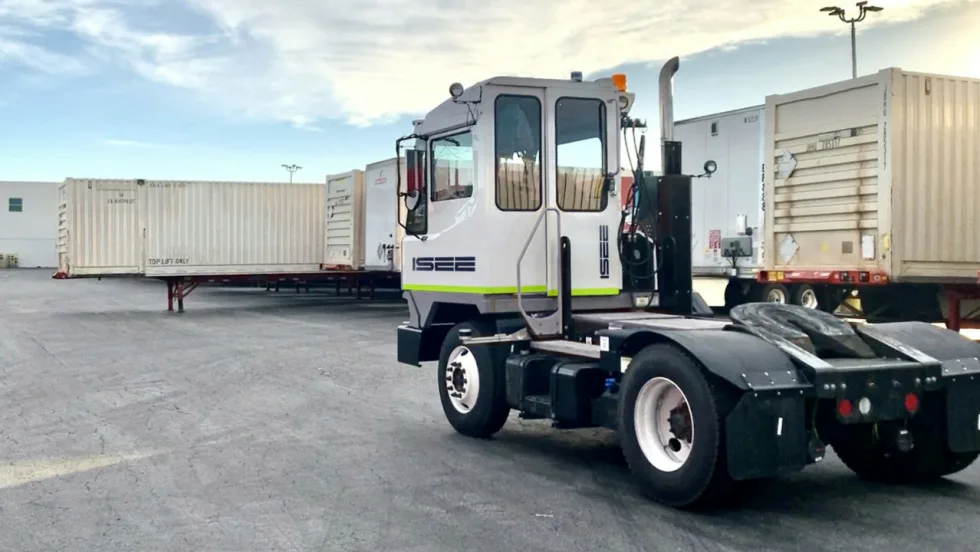
Holman and ISEE Partner to Expand Autonomous Yard Truck Operations
The partnership combines Holman's fleet management and upfitting capabilities with ISEE's autonomous driving technology to help businesses deploy and manage driverless yard trucks.
Read More →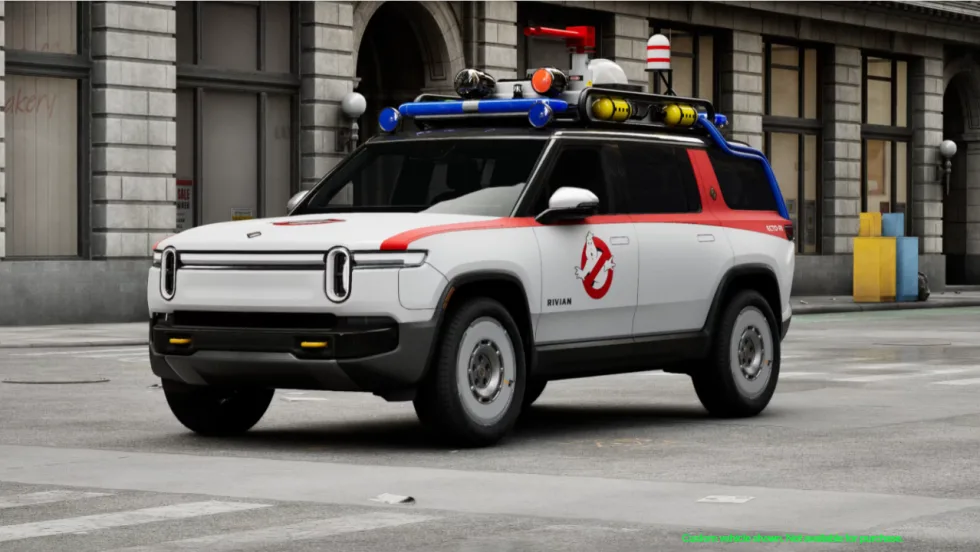
Who You Gonna Call? Rivian Turns Electric Vehicles Into Ghostbusters Rides
Rivian teams up with Sony Pictures for a Ghostbusters-inspired Halloween software update, complete with custom sounds, lighting effects, and a special Ecto-R1.
Read More →
The Second Trip and What Missing Tools Really Cost a Service Business
For service fleets, missing tools and equipment can lead to second trips, lost technician time, higher operating costs, and delayed jobs. Equipment tracking can help HVAC, plumbing, electrical, landscaping, and other service businesses improve visibility and reduce downtime.
Read More →
GeoFencing Adds to Your Truck Security Arsenal
Geofencing is a familiar fleet tool today, but its early adoption marked a major shift in vehicle tracking, route monitoring, and the debate over employee privacy.
Read More →
Geotab Data Shows Regional Trucking Growing Faster as Last Mile Routes Get Denser
Geotab's first U.S. supply chain report finds stable long-haul activity, stronger regional freight movement, tighter hub-and-spoke utilization, and more last-mile trips on shorter routes.
Read More →
When Fleet Technology Helps and When It Just Adds Complexity
New technology can help fleets work smarter, but only if it solves the right problem. Lauren Fletcher talks with AP Fleet’s Alex Coveney about innovation, AI, data, and knowing when a new solution is actually worth adopting.
Read More →
Volvo Trucks’ 'Lock and Leave' Software Updates Go Live Across North America
Unattended over-the-air software updates are now available in Volvo trucks across the U.S. and Canada. The new capability lets trucks stay current with the latest software without interrupting operations or requiring a dealership visit.
Read More →