




How to Determine Truck Tire Load Ratings
Tire load ratings must be followed when selecting a tire and wheel package. The tire must safely support a given amount of vehicle weight. If the load rating is insufficient, the tire may become overheated and can self destruct.
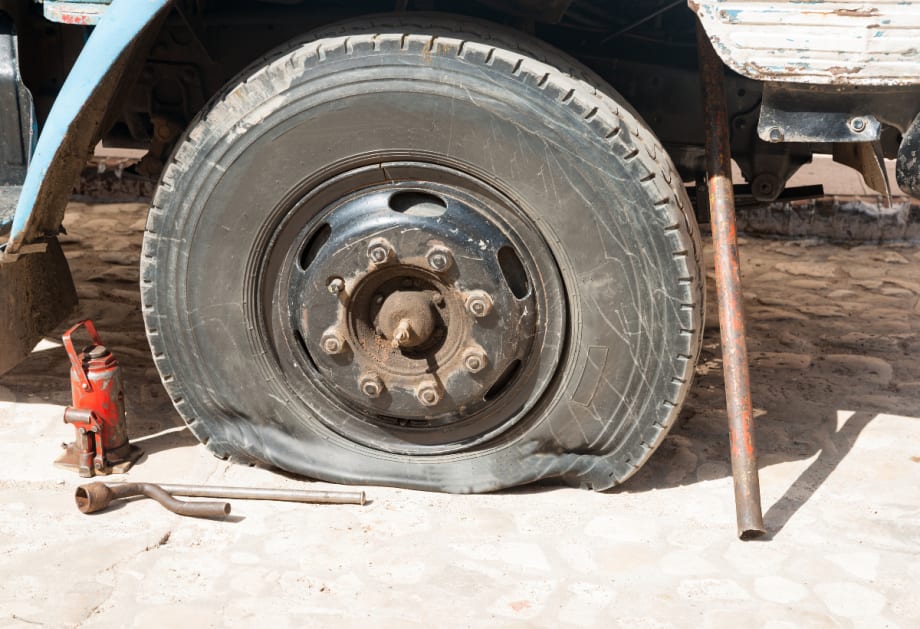
Never exceed a tire’s maximum load rating (the limit that is molded into the tire sidewall) or the maximum vehicle load limit shown on the vehicle tire placard, whichever is less.
Photo: Work Truck
Editor's Note: Check out the updated version of this article, including Q&A from readers, here.
Paying attention to a replacement truck tire’s load rating is critical. The tire must be able to safely support a given amount of vehicle weight. If the tire’s load rating is insufficient, the tire may become overheated and can self-destruct.
For example, if a passenger car performance tire is selected to replace an original equipment light work truck tire on an SUV, the new tire must meet or exceed the requirement for the specific vehicle weight.
But, what is a tire load rating? What tire load rating do you need? And how do you determine tire load capacity? Check out these tips!
How to Determine Tire Load Capacity
Do you know how to determine a truck tire's load capacity? To roughly determine the tire load range capacity for each individual truck tire, take the vehicle’s gross vehicle weight (or GVW) and divide by four. If the vehicle gross weight is 4,500 pounds, each tire should be able to safely support at least 1,125 pounds.
However, the gross vehicle weight does not take the additional load, such as the weight of the driver, into account. So, you should never select a truck tire that only meets this minimum weight capability.
Always select a truck tire that offers a greater, or “reserve,” tire load capacity, which will help the vehicle handle and respond to higher-stress emergency situations when loaded.
Understand a Truck Tire's Max Tire Load Range
How are truck tires rated? The tire’s load rating, or “max load,” indicates the individual tire’s safe maximum load-carrying capacity when inflated to its recommended pressure.
Never exceed a truck tire’s maximum load rating (the limit that is molded into the tire sidewall) or the maximum vehicle load limit shown on the vehicle tire placard, whichever is less. The tire is designed and constructed to handle a specific maximum load, and overloading will result in a buildup of excessive heat in the tire, which could lead to tire failure.
The tire load index rating number, which appears on the tire sidewall, is an assigned number that corresponds to the tire’s load-carrying capacity. Alphanumeric tires will display an alpha code that indicates maximum load. The letter can range from “A” to “N” (the higher the letter, the greater the load-carrying capacity at a given inflation tire pressure).
The max load and maximum inflation numbers found on the tire sidewall indicate the maximum load that can safely be carried and the maximum allowable tire pressure. The construction of the truck tire (belts, bead, carcass, liner) dictates the tire’s ability to withstand pressure. The stronger the reinforcements, the greater pressure the tire can hold.
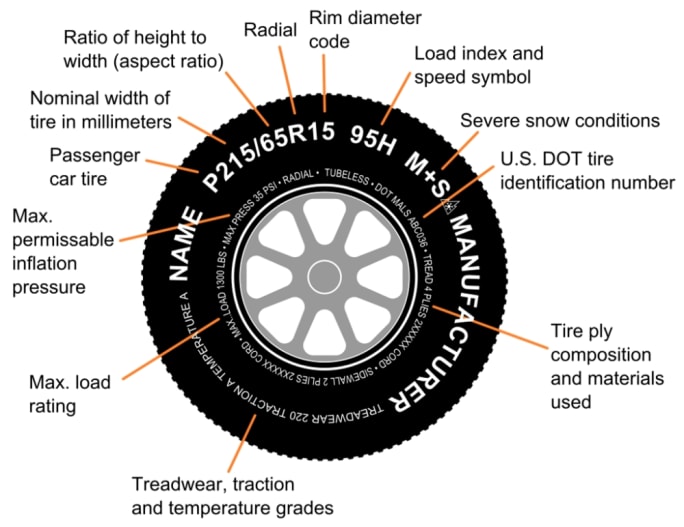
Most alphanumeric tires feature a load range of B, which indicates that they are restricted to the load that can be carried at a maximum inflation pressure of 32 psi.
Photo: Flanker, Own Work, CC By 3.0.
How to Read a Truck Tire's Load Rating Info
Most alphanumeric tires feature a load range of B, which indicates that they are restricted to the load that can be carried at a maximum inflation pressure of 32 psi.
Note:
Tire load range C, load range D, or load range E tires are capable of greater loads.
Most load range C, D, and E tires are intended for light-truck applications.
The tire load-carrying capacity of P-metric tires is rated as either Standard or Extra Load. Standard Load tires are limited by the load that can be supported with a maximum inflation pressure of 35 psi. Extra Load-rated tires are limited to the load that can be carried at a maximum inflation pressure of 41 psi.
Generally, a Standard Load tire will not feature a special designation mark, while Extra Load truck tires will feature an “Extra Load” marking.
Extra Load tires will be branded as “Extra Load” and may be identified by an “XL” (for example LT245/75R15 XL).
It’s important to note that a Standard Load tire (with a normal inflation pressure recommendation of 35 psi) may be marked with a maximum inflation pressure of 44 psi. This does not indicate an increase in the truck tire’s load-carrying capacity, but indicates the tire’s ability to handle higher inflation pressure to accommodate special performance requirements.
Typically, the tire load rating index of a passenger car tire and light work truck tire ranges from 70 to 110. A speed-rated tire’s sidewall markings will indicate size, followed by the tire load rating index and the speed rating.
Last updated: October 5, 2022
More Maintenance & Uptime

Entegral & GEICO Partner to Enhance Auto Claims Experience
GEICO is deploying Entegral technology to support more efficient claim routing, clearer appointment communications, and more informed repair-provider selection.
Read More →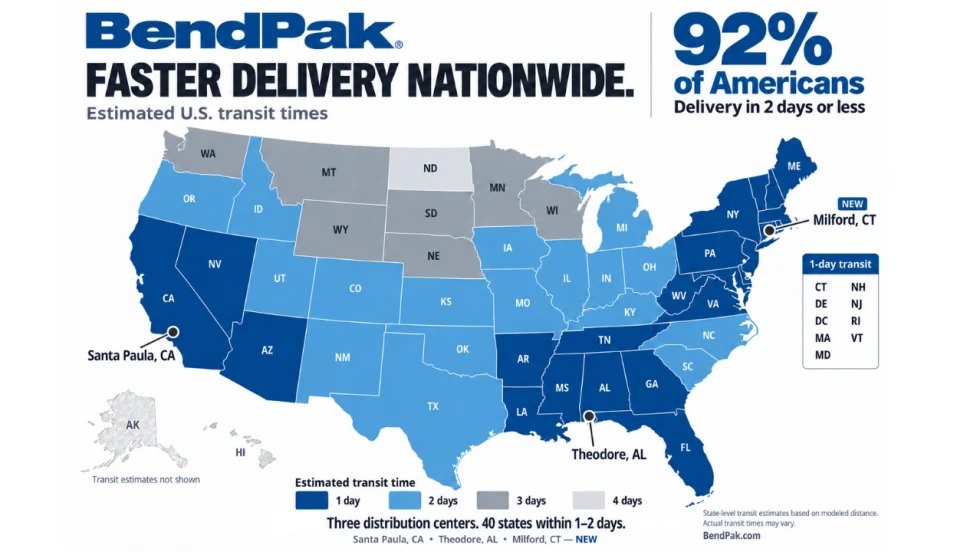
BendPak Opens Third Distribution Center to Accelerate Delivery
With the opening of a new distribution center in Milford, Connecticut, BendPak has expanded its network to deliver to 92% of Americans in two days or less. The company now operates three distribution centers.
Read More →
New STLE Special Report Examines Next-Generation Gear Lubricants for Electric Vehicles
Achieving the right balance of efficiency, durability, and electrical performance is critical in high-speed electric-vehicle drivetrains. The Society of Tribologists and Lubrication Engineers (STLE) released its new special report about EV lubrication.
Read More →From Our Partners
Basic Tracking vs Next Generation Fleet Technology
Sponsored by AT&T Business

5 Facts Every Fleet Manager Should Know About Embedded Telematics
Sponsored by Stellantis/Mobilisights

How AI Video Telematics Boosts Driver Safety and Helps to Avoid Unnecessary Costs
Sponsored by Verizon Connect

Charting the 8 Bottom-Line Benefits of Workforce Optimization
Sponsored by Verizon Connect


The Lost Art of Refrigerant Recovery
As new A/C refrigerants enter the market, fleet shops may already have many of the tools they need to service them. Here’s why revisiting basic refrigerant service skills could save equipment costs and get trucks back on the road faster.
Read More →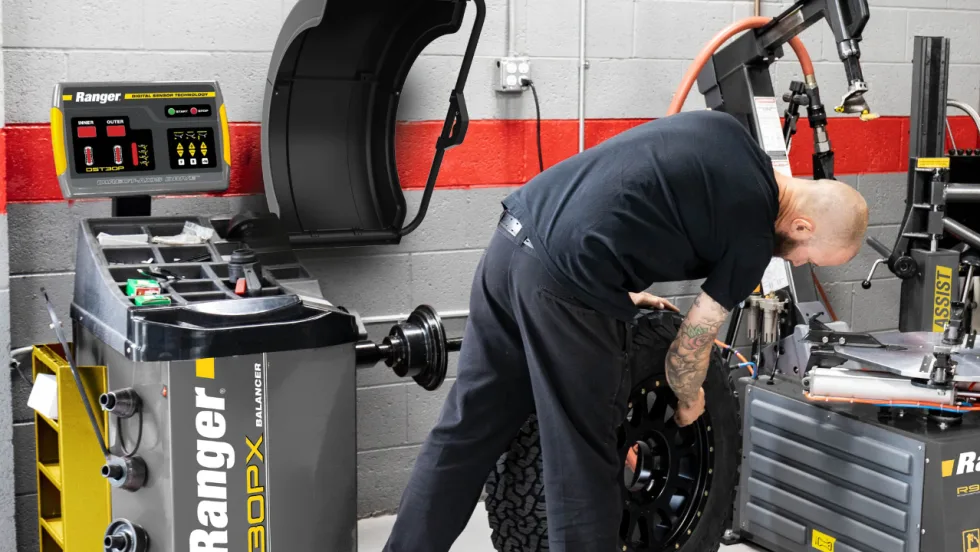
BendPak Launches Ranger DST30PX Balancer for Large Wheel Service
The new DST30PX Professional Wheel Balancer from Ranger Division of BendPak smoothly handles tires up to 43 inches with precision and accuracy.
Read More →
Kooner and Global Partners Connect Mobile Fleet Maintenance and Fueling Services
A new referral partnership connects on-site fueling and maintenance services, with a focus on reducing off-site trips and making better use of fleet downtime.
Read More →
Maintenance Failures That Sideline Work Trucks and the Inspection List That Catches Them Early
Unplanned downtime hurts efficiency and even profitability for work truck fleets, but catching potential problems early can help prevent it. Here is an inspection list that can help potentially prevent that downtime.
Read More →
Hunter Engineering Enters Collaborates with Bosch for Remote Diagnostics Service Through ADASLink
Hunter Engineering’s collaboration with Bosch enables ADASLink to connect directly with Bosch diagnostic experts through an integrated remote support platform, allowing shops to service more vehicles.
Read More →
Mack Adds Chassis Coverage Options for Fleet Repair Costs
Mack Trucks introduced four system-specific chassis coverage plans, giving fleets more flexibility to manage repair costs for driveline, HVAC, electronics, safety systems, and other components.
Read More →
GM Launches ‘30 Under 30’ Program to Elevate Automotive Service Technicians and Inspire the Next Generation
The GM Automotive Service Technicians 30 Under 30 program honors GM service technicians under the age of 30 who demonstrate continuous technical training, exemplary customer service, mentorship, and leadership.
Read More →