




7 Questions to Ask When Spec'ing a Service Body
Service technicians utilize a variety of tools and equipment that must be kept organized and within reach. With the multitude of available options, these seven questions will help narrow the field.

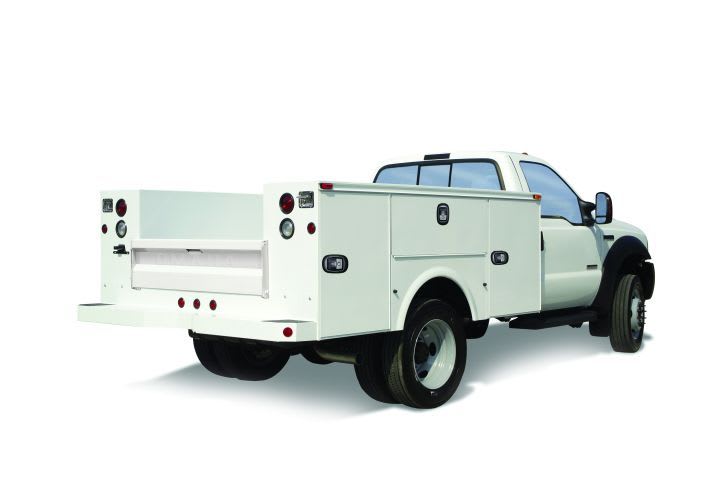
The standard material used in service bodies is steel; however, some body manufacturers offer lighter weight materials, such as aluminum and fiberglass. Ask for what your options are!
Photo: Omaha Standard Palfinger
- Service technicians require an organized setup to keep tools and equipment accessible.
- With a wide array of configurations available, selecting the right service body can be daunting.
- Asking specific key questions can effectively streamline the selection process for a service body.
*Summarized by AI
Service bodies, also known as utility beds, are essentially heavy-duty toolboxes on wheels. They are available in a full range of configurations, sizes, materials, and other options, enabling service technicians to haul tools, equipment, and parts they need - organized for quick and easy access - to maximize jobsite productivity. Service bodies enable employees to focus time on doing the job, instead of fumbling through cluttered piles of parts to find the right one.
Typical industries that use service bodies include electrical, plumbing, mechanical, heating and air, mobile equipment service, and general construction. However, chances are, whatever the industry, if tools and parts of any kind are hauled in fleet trucks and vans, a company either utilizes service bodies or has at least looked into them.
What steps should be taken to spec a service body that's right for fleet? Use these seven questions as a guide.
1. What Tools and Equipment Will the Service Body Carry?
Create a list of what a full load would contain, including estimated quantities and weight per unit. Include equipment, tools, parts, materials - whatever will be placed in the truck.
The list will dictate what compartment configuration will work best. Also ask an upfitter about bins, trays, and other options offered to determine how best to organize equipment for maximum productivity.
2. What Exterior Equipment Will the Service Body Support?
Will the vehicle haul ladders? Pipes? Conduit? A crane? Compressor? Auxiliary fuel tank? This will impact payload and whether racks and/or reinforcement are needed for the body to support the equipment.
"If you're going to mount a crane, for example, you need a heavier duty body," said Jim Brown, product manager for Omaha Standard Palfinger. "The body moves away from a standard service body and moves into a crane body, where the body can take the abuse of the day-to-day crane operations."
Whether or not equipment is mounted on top of the body also determines if a flip top can be spec'ed, which offers greater accessibility to tools and parts due to the ability to open the side box from the top. If equipment will be installed on top of the side compartments, the flip top won't work, requiring a standard solid top.
3. Does the Fleet Need an Open or Enclosed Service Body?
A standard service body is open in the center with a tailgate, similar to a pickup bed. If materials can be thrown in the back of a truck without concern of corrosion or theft, an enclosure is not necessary. However, if extra hauling capacity with greater security and protection is necessary, consider enclosure options, which typically include a low-profile sliding roof or high roof available in several heights.
4. What Service Body Payload and Chassis Capacity Are Required?
This will drive payload requirements and chassis selection. A body supplier will be able to take the anticipated maximum load weight and help determine what gross vehicle weight rating (GVWR) chassis best matches fleet needs.
If the projected total weight of chassis, body, and payload is less than 10,000 lbs., for example, the most likely candidate is a single-rear wheel ¾- to 1-ton chassis. Over that mark, a dual-rear wheel 1-ton or larger chassis is required.
Also consider body material. The standard material used in service bodies is steel; however, some body manufacturers offer lighter weight materials, such as aluminum and fiberglass that may allow the ability to drop to a smaller chassis for improved fuel economy and a lower truck price, without sacrificing payload. The pricing advantage upfront is for steel. Aluminum and fiberglass will range $1,000-$3,000 more for a comparable body.
Chassis selection, whether single-rear or dual-rear wheel, impacts available body width and length. A dual-rear wheel chassis offers a wider body with deeper compartments and more length options, from 56-in. cab-to-axle (CA) for an 8-ft. service body to 60-in. (for 9-ft. body) to 84-in. (11-ft. body) and longer for a medium-duty chassis. Single-rear wheel is only available with a 56-in. CA.
5. Will Off-Road Operation Require Chassis or Body Modifications?
This determines whether a four-wheel drive chassis and any modifications to the body to handle off-road conditions are required.
"If you're off road, you might need a spring-mounted body kit," Brown from Omaha Standard Palfinger advised. "This allows the body to basically float on the chassis. There are two springs mounted on the front of the body that attach to the front of the chassis and allow the body to flex going up over curves and down through ditches."
6. What Towing Capacity and GCWR Will the Service Truck Need?
The answer will help calculate the gross combination weight rating (GCWR) chassis necessary to fit an application. GCWR is the maximum allowable weight (as certified by the truck manufacturer) of the chassis, body, and payload combined with the fully loaded weight of the trailer and its contents.
Overlooking this question is a common mistake fleet managers make, said Brown of Omaha Standard Palfinger. For example, a single-rear wheel ¾-ton chassis may work fine with the current body payload, but if the vehicle will be towing 12,000 lbs. with a full load in the service body, the GCWR will be exceeded. If a trailer is pulled in this instance, a larger chassis will be needed.
Ensure the company's vehicle upfitter knows the unit will be towing a trailer, how much weight it will tow, and whether it will tow with full payload in the service body. This way, the upfitter can help select the right capacity.
7. What Corrosion Protection Does the Service Body Need?
This is especially important if the truck is operated in the northern snowbelt regions that use corrosive road salts or in coastal areas with salty air. Aluminum and fiberglass tend to hold up better in these conditions.
If steel is selected, look at the manufacturing quality. Inspect for crevices in the body that could collect moisture and cause premature corrosion. Most steel service body manufacturers use some form of corrosion-resistant coating (e-coat, etc.) to protect truck bodies.
Work With Upfitters to Finalize Service Body Specifications
With the answers to these seven questions, a fleet manager can be prepared to collaborate with service body manufacturers or distributors to design and build a service body that's right for fleet.
Quick Answers
Asking the right questions ensures that the chosen service body meets the technician's needs for organizing and accessing tools effectively, improving efficiency and safety.
*Summarized by AI
More Upfitting
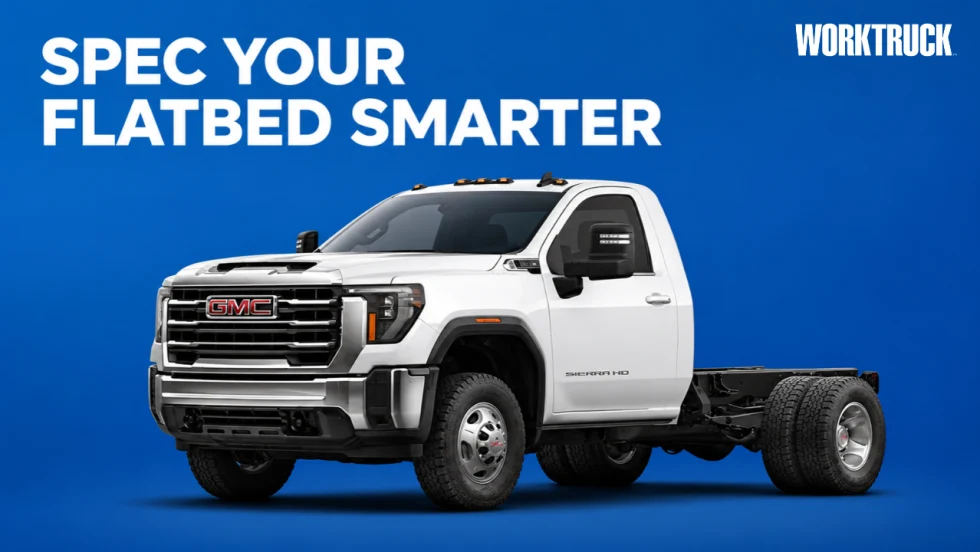
20-Point Checklist: Spec’ing Flatbed Trucks
While flatbeds may seem basic, there are several options to consider that impact cost, payload capacity, fuel economy, and crew productivity. Here are 20 points to consider.
Read More →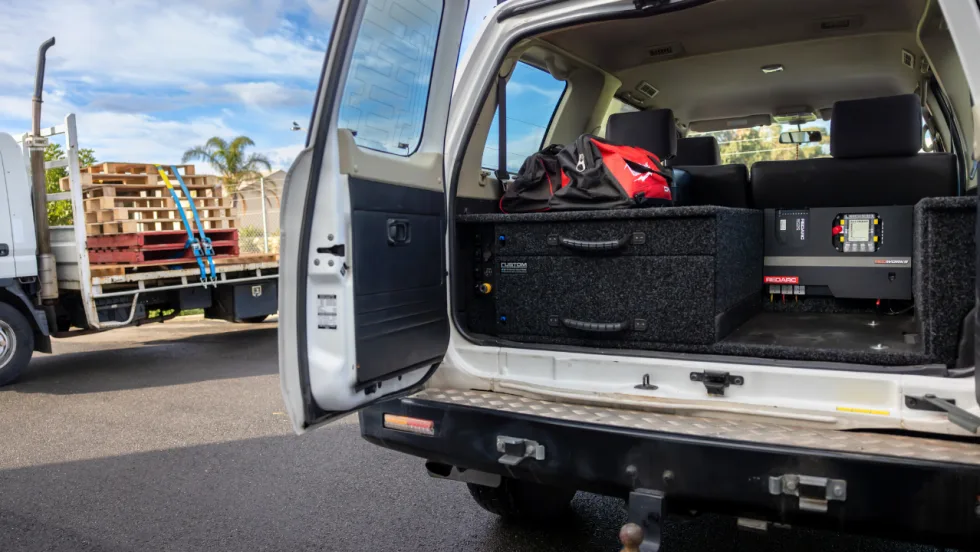
REDARC Launches REDWorks Power Panels to Simplify Mobile Power
REDARC pre-wired systems simplify parts selection and installation for onboard vehicle power. REDWorks Power Panels recharge auxiliary batteries from the vehicle and solar power, keeping mobile equipment and everyday comforts powered while driving, working, or away from an outlet.
Read More →
Vote for the 2027 Upfit Package of the Year
Which upfits are built for the way your crews work? Meet the 2027 nominees across four categories and help choose this year’s winners.
Read More →

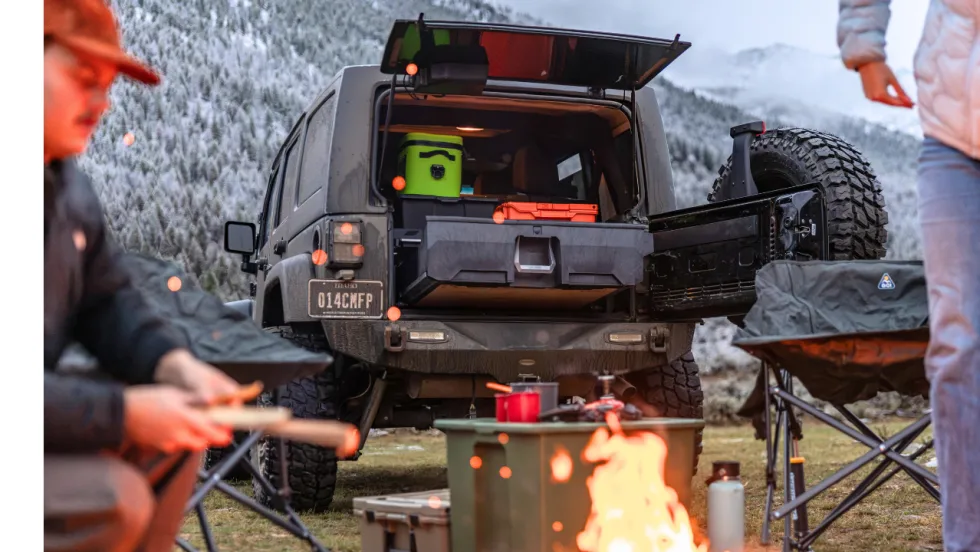
DECKED Expands Signature Drawer System to Most Popular SUVs
DECKED's signature Drawer System, a fixture in truck beds since 2014, now fits a full lineup of SUVs, including the Jeep Wrangler, Toyota 4Runner, Ford Bronco, Toyota Land Cruiser, and more.
Read More →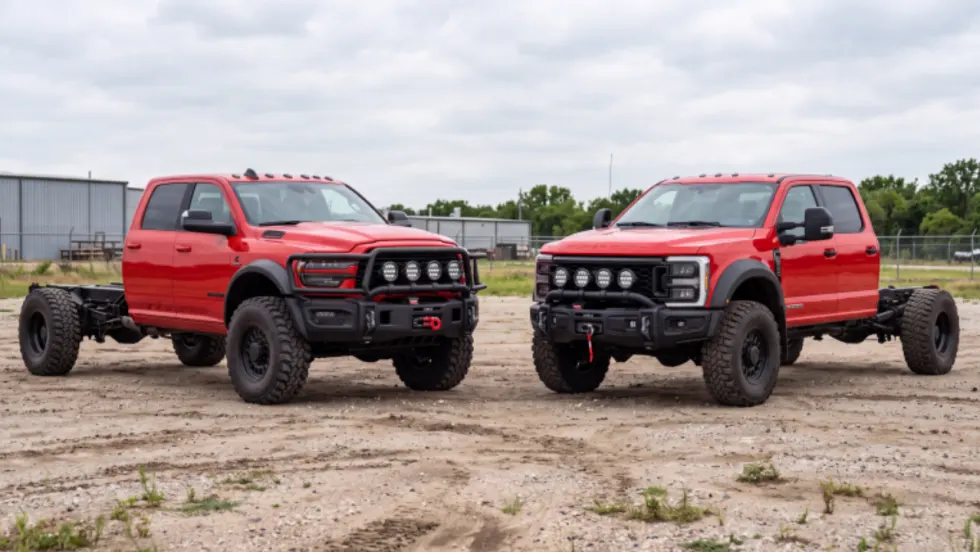
Acela Adds Ford and Ram Platforms With DuraLink Suspension
Acela adds Class 3-5 Ford and Ram chassis with DuraLink suspension, giving upfitters new options for demanding on- and off-road fleet applications.
Read More →
Re-rating Gross Vehicle Weight Ratings (GVWR): Why and How it's Done
Sometimes, it is not in a fleet’s best interests to have a vehicle at a given GVWR. Changing the GVWR to a special value can be done, but the process is complicated.
Read More →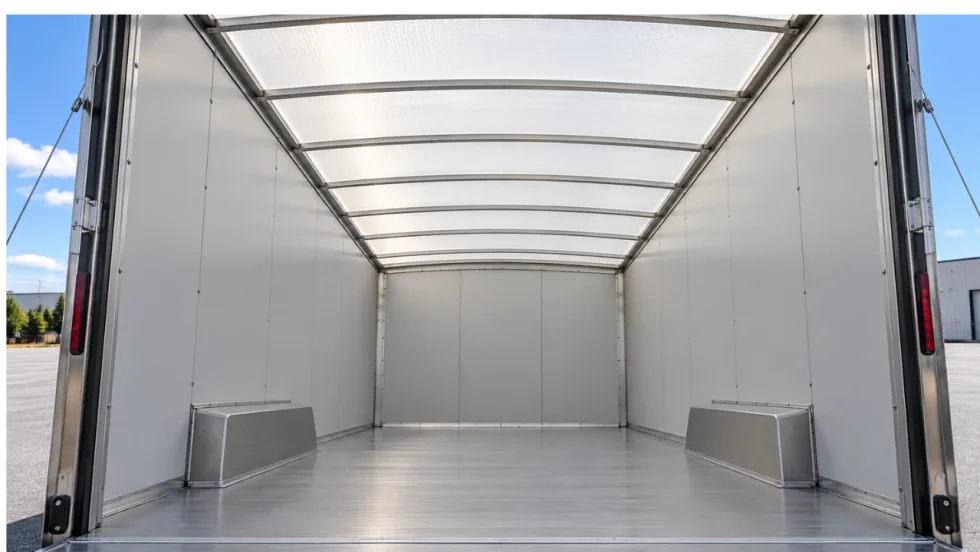
Tekmodo Introduces CargoBright Brand of Translucent Roofs
CargoBright is designed to diffuse daylight across the cargo area while performing as a working vehicle roof. Its reinforced composite construction is designed for impact, abrasion, moisture exposure, and UV exposure.
Read More →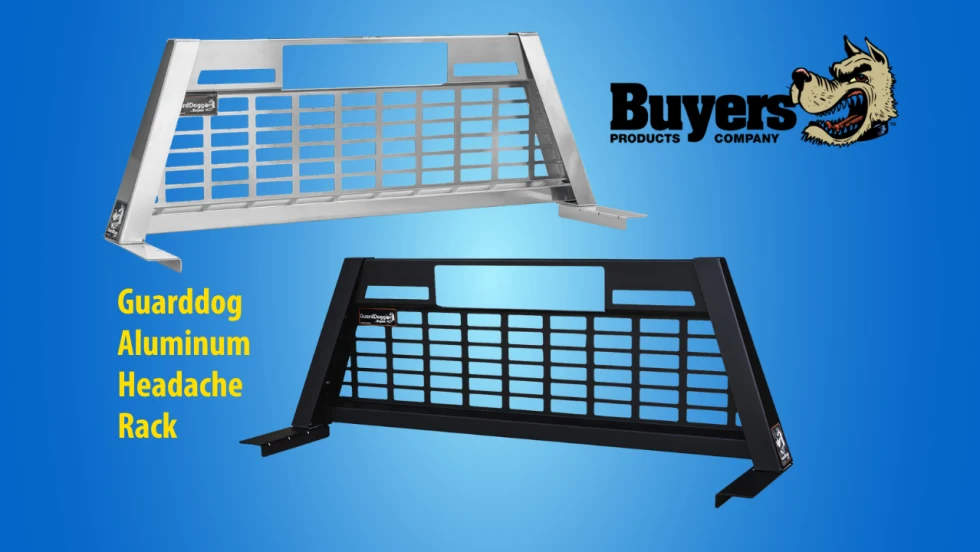
Buyers Products Expands Popular GuardDogg Headache Rack Line
Buyers Products’ aluminum GuardDogg headache rack is now available to contractors, construction crews, and utility fleets that want to reduce vehicle weight without sacrificing functionality.
Read More →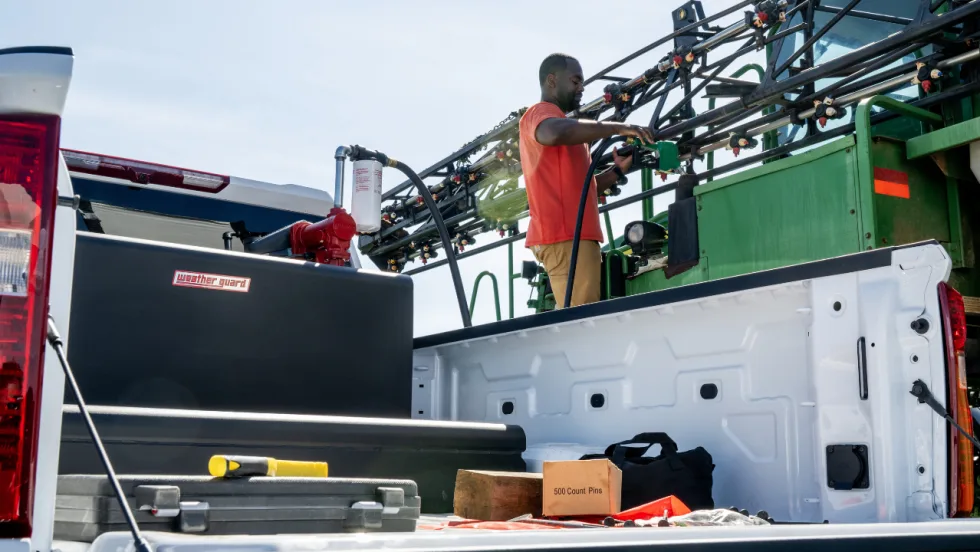
New Weather Guard Transfer Tank Engineered to Reduce Downtime and Improve Fleet Productivity
Weather Guard completely redesigned its line of transfer tanks to improve durability, simplify installation, and keep equipment running in demanding field conditions.
Read More →
How Machine Lifts Drive Safety & Efficiency for Fleets
What is a machine lift, what fleets need them, and how do they improve safety and drive efficiency? What advantages do they have over ramps and liftgates?
Read More →