





Weigh Station Tech: What Happens When Your Truck Pulls In?
Busting Work Truck Myths
Truck experts from GE Capital Fleet Services explore the myths and realities of spec’ing medium- and heavy-duty work trucks.
September 7, 2012

A small change in payload may seem insignificant, but it adds many downstream effects on the truck capacity, performance, even resale value, which can lead to an increase in overall cost of the truck, with more downtime, more repairs, and more frustration with employees using workarounds with the equipment.
6 min to read
It is not unheard of for a myth to take on the gleam of fact. Often, the results of this blurring of fact and fiction is harmless. But, not always.
In some cases — such as with spec’ing work trucks — myths can cause serious harm to a fleet and its company’s operations, including lost productivity, increased costs, diminished revenue, and difficulty in retaining drivers and other employees. Work Truck magazine recently asked GE Capital Fleet Services to assemble a panel to act as truck “myth busters.”
The panel of “myth busters” consisted of Tim Craft, president of TiNik, Inc., a supplier of truck- and van-related equipment to fleets and OEMs; Collin Reid, strategic consultant, truck services, GE Capital Fleet Services; Mark Stumne, truck engineer, GE Capital Fleet Services; and Greg Wilson, product leader, truck services, GE Capital Fleet Services.
The panel identified the six most common myths when spec’ing work trucks.
Myth 1: Under-Engineering a Truck Can Save Money
Under-engineering or under-spec’ing a truck could mean a number of things ranging from a lower-power engine to marginal GVWR to a base interior package. In many cases, the reason to under-spec a truck is to save money. However, this is not a good strategy, according to Stumne. “An under-powered truck, for instance, is going to be driven very hard, which will burn more fuel,” he said.
Reid added that there would also be more maintenance expenses and “downstream driver productivity is going to suffer.”
Instead, fleet managers need to carefully consider their specifications outside of cost.
“Once you’ve established a good specification, then you can shop the specs around to the OEMs,” Stumne said. “Pricing should be the second piece of spec’ing a vehicle. At the end of the day, a properly spec’d truck is going to yield a lower total cost of ownership (TCO), including less maintenance, less downtime, better driver retention, and the use of less fuel.” Stumne also added that fleets will capture higher resale prices from a properly spec’d truck.
Myth 2: Trucks Are Not Impacted By Small Changes in Payload
This myth is a bit of the flip side of the first one, with fleet managers trying to do more with less.
Wilson noted how a seemingly insignificant payload change could have unintended consequences. “A small change in payload may seem insignificant,” he said. “But, it adds many downstream effects on the truck capacity, performance, even resale value, which can lead to an increase in the overall cost of the truck, with more downtime, more repairs, and more frustration with employees using workarounds with the equipment. Most important, it can impact cycle time, customer experience, and the overall margins of the business.”
The impact could be far-reaching. Craft noted that these “small” changes could overload a vehicle or affect the weight distribution of the truck and body package. On top of this, it could add time to the installation process, which could affect ship-thru.
Stumne added that one consideration on the payload side is the effect of the new emissions regulations. He said that newly-mandated equipment such as DEF devices directly adds to the weight on the front axle.
“Overloaded front axles can be a problem, especially in light-medium-duty (Class 4 & 5) trucks,” Stumne commented.
Myth 3: Truck Selection Does Not Affect Productivity
Turning to the human side of the equation, the panel looked at how truck selection overall helped or hurt driver productivity.
“The big concern here is that companies are expecting drivers to do more with less and be productive,” Stumne said.
It is important, Stumne noted, to make sure that drivers are comfortable and safe in the cabs of their vehicles — for instance, egress and ingress to the cab should be safe and comfortable — and there should be ample “belly room” for the driver.
Upfitting also comes into play with driver productivity, Craft added. It is crucial that the truck have the proper body and accessories to allow for organized storage and ease of use.
Craft noted that bed slides and ladder racks can help make cargo and other necessities of the job easily accessible. However, there is a fine balance between having the right amount of supplies and too many. “You have to make sure you have the product when you need it,” he said. “We did an analysis once where the drivers had a three-month supply of nuts and bolts in their vehicles. They had too much product.”
It might be easy to dismiss the importance of driver amenities in these days of tight budgets, but truck design and performance issues can be a major factor in driver retention, according to the myth busters.
Myth 4: Diesel Vehicles Are the Best Choice for Fleets
Of course, fuel and fuel costs are probably top of mind for every commercial fleet manager in the country. At first glance, diesel seems to be the best option for truck fleets, but maybe not, according to GE’s Stumne.
New emissions regulations and the higher price of diesel engines have added to fleet costs. “You also have to look at how much fuel you can carry and the vehicle’s range. How much capacity do you have and how many times do you have to fuel the vehicle? Can you have maintenance done locally?” Stumne said.
GE’s Reid added: “The difference between the price of gasoline and diesel is [slim]. Diesel might save you money, but not a lot.”
The question really is: What is the right fuel for the fleet? Reid noted that gasoline might be the answer for primarily lower mileage urban delivery applications.
The buzz about alternative fuels is starting to pique the interest of fleet managers, and with good cause. Incentives typically offset the higher acquisition costs on the front end and alt-fuel availability is becoming more widespread, making alternative-fuel trucks a more attractive consideration.
Another consideration to take into account is remarketing. Diesel engines tend to fetch more at auction than gasoline-powered trucks.
Myth 5: Any Trailer Size Can be Pulled, as Long as it Doesn’t Exceed the GCWR
There are numerous factors to consider when matching a truck with a trailer. “Make sure you have the right equipment to match up with the trailer, including brakes, the right hitch height, and proper lighting,” Stumne said.
Beyond equipment, several other factors must also be considered. For instance, while a fleet’s truck matches the federal DOT weight regulations, it may be too heavy for a local road.
“Look at the regulations and verify what the weight is for the roads your drivers will be traveling,” Stumne said.
Fleet managers must also know the actual total weight of the truck and trailer and compare it to the truck’s GCWR.
This will also determine the kind of license required for the driver as well as the type of registration/license plates needed for the truck.
Craft of TiNik added that the type of cargo also needs to be taken into account. “You need to match the product with the trailer — its size, shape, weight, and if it’ll be placed on the front or back of the trailer,” he said.
Myth 6: The Longer a Truck Cycle, the Better
The proverbial running a truck into the ground might seem like a great idea, since it means that the company is getting the most out of the asset.
The truth is, this strategy costs more in the long run. “You’ll be spending more for fuel and maintenance, and old trucks affect the productivity of the drivers,” Reid said.

With what Reid calls “extremely old” trucks — those that are 10- to 15-years-old — the focus of the fleet shifts from customer service and more on responding to truck emergencies as maintenance becomes more costly and more frequent.
This will, as with the other myths, ultimately affect the bottom line with eroded profits and, perhaps, just as important, a negative impact on the company brand and image.
When it comes to myths, alternative fuels hear plenty. Check out this article clearing up common alt-fuel vehicle myths.
Subscribe to Our Newsletter
More Vehicle Research
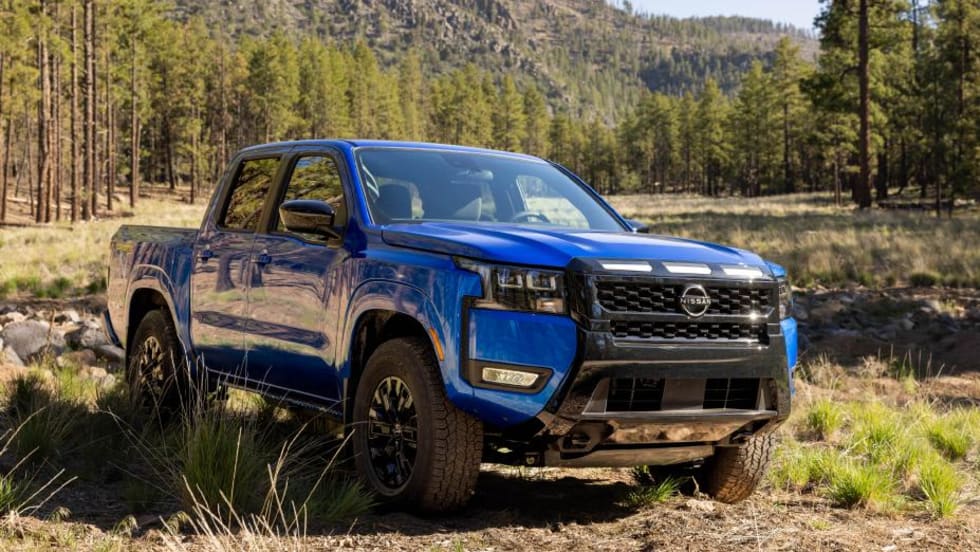
Nissan Frontier Sport Edition: Off-Road Ready with Upgrades Available
Nissan’s 2027 Frontier Sport Edition gives customers off-road features, including all-terrain tires, an aluminum skid plate, fog lamps, and front accent lighting. Like every Frontier, it comes standard with Nissan's 3.8-liter V6.
Read More →
Hand-Painted Mack LR Models Unveiled During Trucks of Art Program in New York City
The New York City Department of Sanitation, in collaboration with its nonprofit partner the Sanitation Foundation, unveiled five new hand-painted Mack LR refuse vehicles during New York City’s Trucks of Art program.
Read More →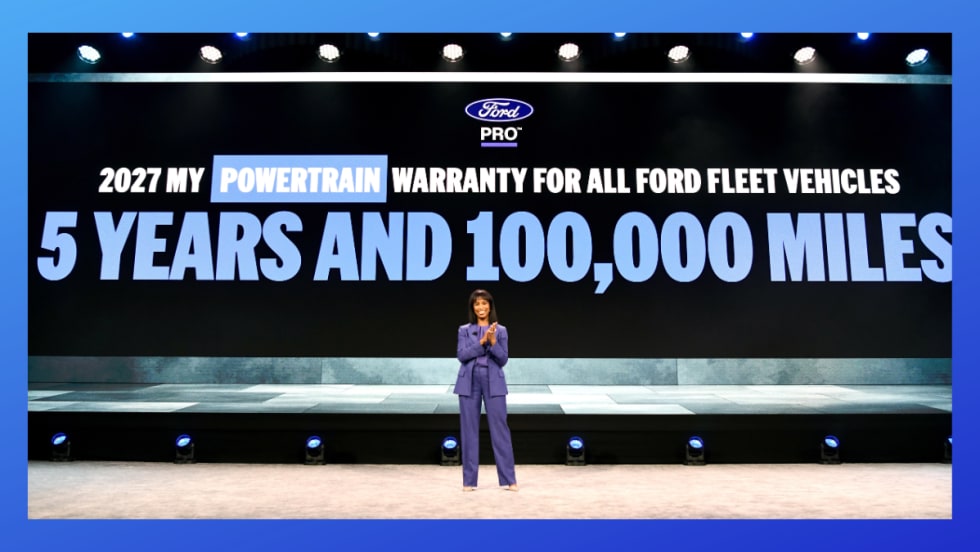
Ford Pro Extends 5-Year/100,000-Mile Limited Powertrain Warranty to Ranger, Maverick and E-Transit
Ford Pro expands its 5-year/100,000-mile Limited Powertrain Warranty to the 2027 Ranger and E-Transit for eligible fleet buyers.
Read More →
Sponsored•May 29, 2026
Are You Tracking Your Fleet's True Total Cost of Ownership?
Bobit Business Media surveyed 190 fleet professionals and found that while most fleets are tracking costs, fragmented systems and data gaps are keeping true TCO visibility out of reach. With rising pressure to control spend in an increasingly volatile environment, the gap between what fleets think they know and what the data actually shows is wider than you might expect. See how your peers are managing costs today and where the industry still has room to improve.
Read More →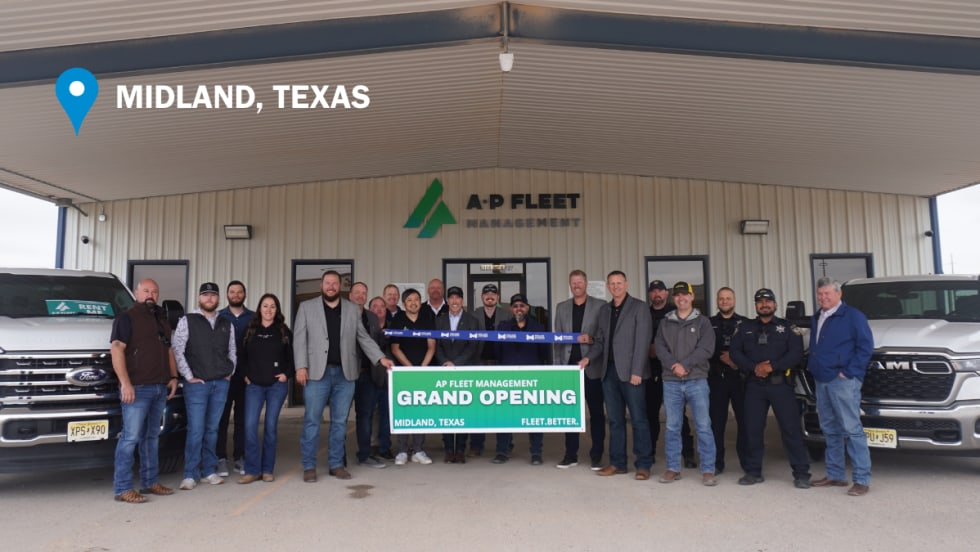
AP Fleet Management Opens Midland Hub to Expand Access to Upfitted Work Trucks in Texas
AP Fleet Management’s new Midland location expands access to bucket trucks, crane trucks, vans, and faster upfitting services for Texas fleets.
Read More →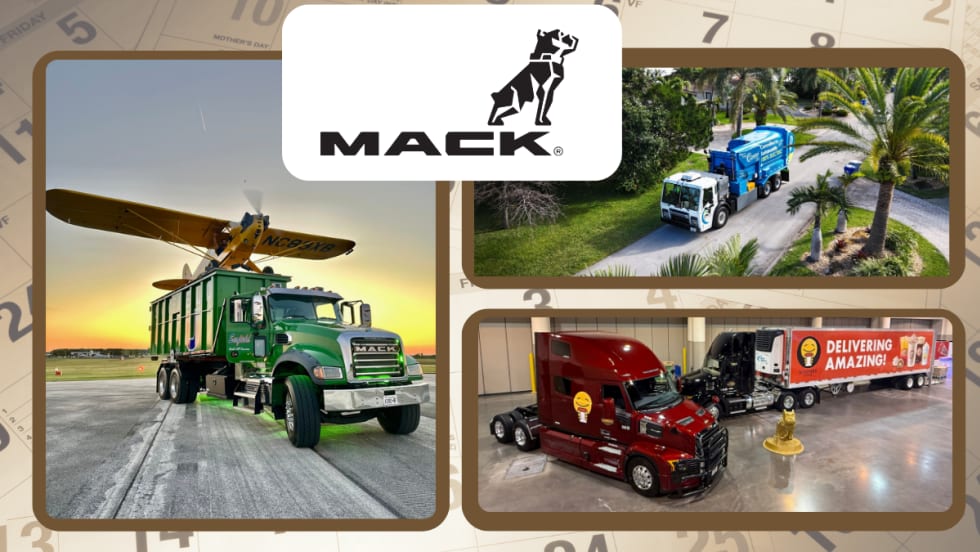
Mack Trucks Announces 2027 Mack Calendar Contest Winners
From a 1954 L Model still on the job to battery-electric trucks like the LR Electric and MD Electric, this year’s Mack Trucks Calendar Contest winners showcase the full range of capabilities, models, and years.
Read More →
Why the PALFINGER ETC MH 40 IH Is More Than a Bucket Truck
Take a closer look at the PALFINGER ETC MH 40 IH material handler, a 40-foot articulated telescopic aerial lift designed for utility, telecom, sign work, or any task that requires an elevated work platform with a jib.
Read More →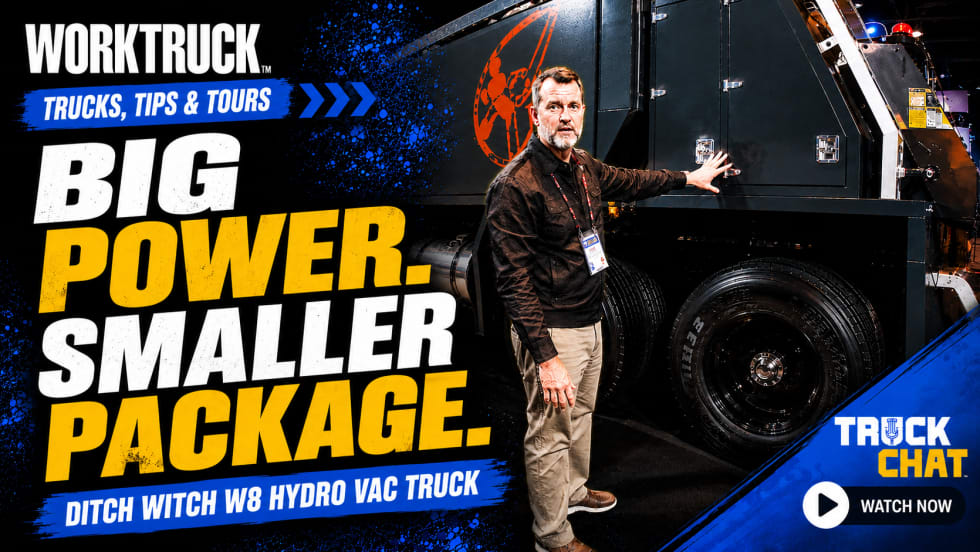
Ditch Witch W8 Hydro Vac Truck Walkaround
The Ditch Witch W8 hydro vac truck delivers serious hydro excavation performance in a more compact package than the larger W12. This walkaround video explains the Warlock Series’ direct-drive blower system, cyclonic filtration, safe excavation technology, and powerful vacuum performance.
Read More →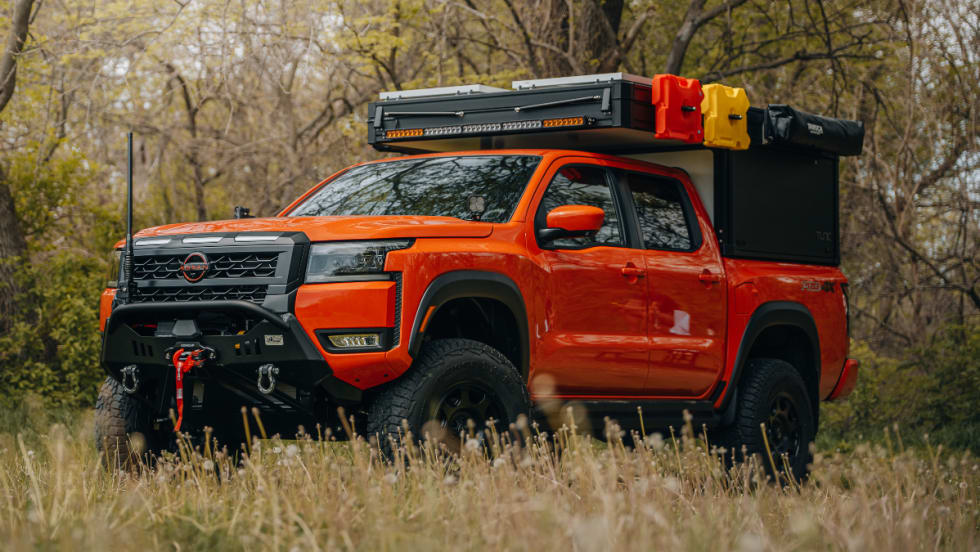
Nissan Frontier Overland Build Spotlights Real-World Truck Capability
Nissan’s latest Frontier build is aimed at overlanders, but the rugged platform and durability story could resonate with fleet buyers too.
Read More →
Sponsored•May 13, 2026
Why Fleet Managers Are Replacing Departmental Vehicles with Shared Motor Pools
Departmentally assigned vehicles often create hidden costs through underutilization, poor visibility, and increased administrative burden. This white paper explores how shared motor pool strategies help fleets reduce costs, improve accountability, and optimize vehicle utilization.
Read More →