




Ford Reveals F-150 Raptor Updates
Ford Motor Co. revealed details for the 2017 F-150 Raptor, highlighting its 450 hp and 510 lb.-ft. of torque.
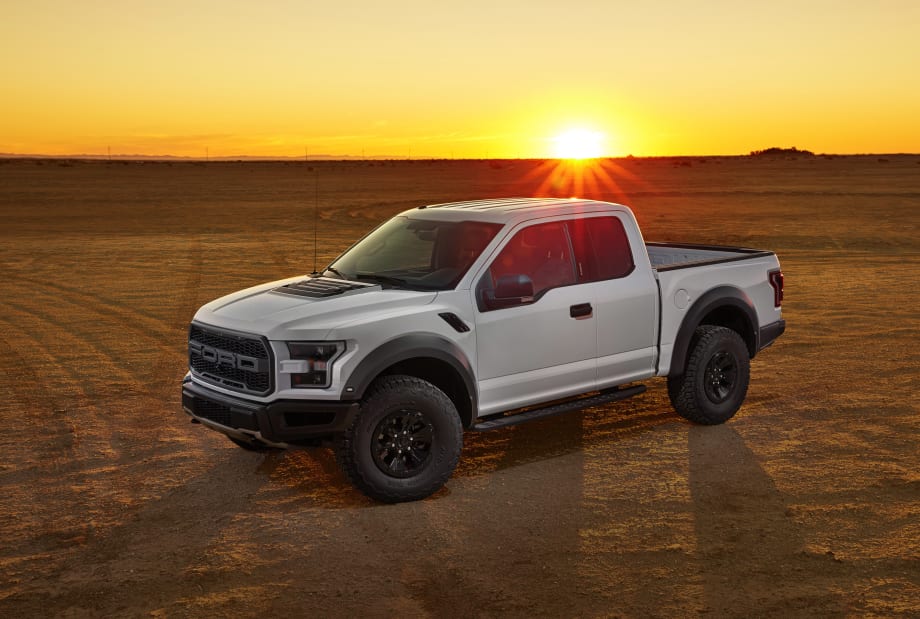
Photo of the new F-150 Raptor courtesy of Ford Motor Co.
Photo of the new F-150 Raptor courtesy of Ford Motor Co.
Ford Motor Co. revealed details for the 2017 F-150 Raptor, highlighting its 450 hp and 510 lb.-ft. of torque.
The Raptor's hp and torque are the result of an all-new 3.5L twin-turbo high-output EcoBoost engine, which is mated to an all-new Ford-built 10-speed transmission. This allows the 2017 Raptor to deliver a 21% improved average torque-to-weight ratio and a 23% improvement in EPA-rated combined fuel economy when compared with the previous generation Raptor, according to the automaker.
“Raptor was designed to be a no-compromise, off-road performance machine,” said Matt Tranter, Ford performance engineering supervisor. “That is why we made the switch from the cast-iron V-8 to the aluminum block, high-output GTDI V-6 EcoBoost engine that our team tuned to add 39 horsepower and 76 lb.-ft. of torque for today’s Raptor.”
EPA estimated fuel economy ratings for the 2017 F-150 Raptor are 15/18/16 mpg (city/hwy/comb). Actual mileage will vary.
The new Raptor is up to 500 pounds lighter than the 2014 model and will start at less than $50,000, according to the automaker.
The 2017 Raptor delivers more low-RPM torque and optimized power bands and shift points across all two-wheel drive and four-wheel drive modes thanks to the 10-speed transmission and torque-on-demand transfer case.
Key 3.5L EcoBoost engine improvements include a new twin direct and port-fuel injection strategy, stronger and lighter crank and valvetrain components, and a redesigned twin-turbocharger system with electronic wastegate.
The all-new standard 10-speed automatic transmission features Auto Start-Stop and an integrated electric pump that improves driving efficiency.
The transmission’s closer ratio between gears and Ford-patented hydraulic control system better optimize the power and torque curves of the new 3.5L high-output EcoBoost engine.
Raptor’s all-new adaptive shift algorithms monitor more than a dozen powertrain and driver control signals in real time. In addition, a high-speed, one-way clutch allows for non-sequential shifting.
Originally posted on Automotive Fleet
More Operations
Family Ties Inside the Fleet Families Building Careers Across Generations
Three fleet families share what it really takes to work together, learn across generations, and keep business from following them home.
Read More →
Shades of Fleet Call for Voices: Fleet's Hidden Heroes
Fleet’s hidden heroes are often the ones keeping everything moving behind the scenes. September’s Shades of Fleet is looking for dispatchers, coordinators, parts specialists, and other support pros to share their stories.
Read More →
Truck Centers, Inc. Celebrates National Truck Driver Appreciation Week with $1,000 Fuel Card Giveaways
During National Truck Driver Appreciation Week, Truck Centers, Inc. is offering customers a chance to fuel up for free. Customers at all Truck Centers locations can enter to win one of four $1,000 fuel cards from Sept. 14 - 18.
Read More →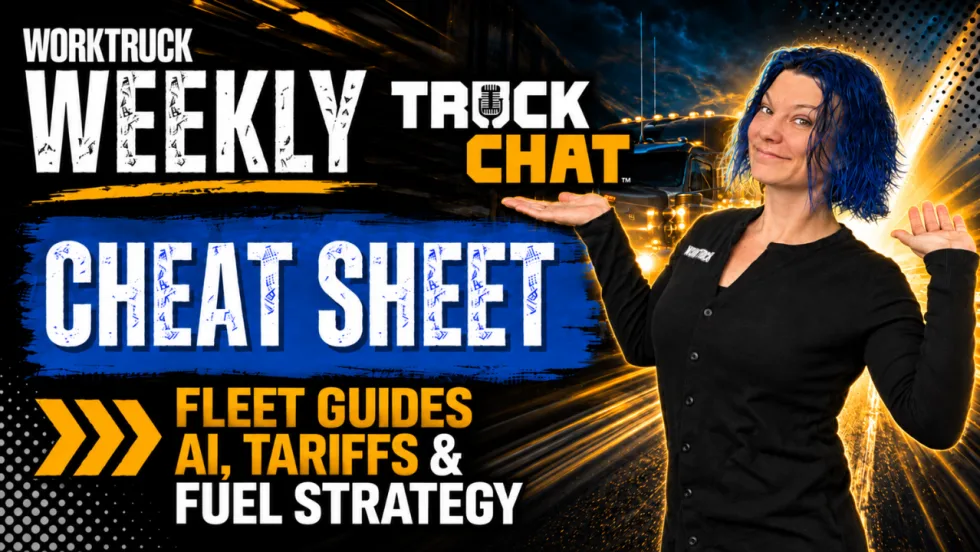
Fleet Guides, AI Time-Savers, Truck Tariffs & Fuel Strategy Lead the News
This week’s Truck Chat Cheat Sheet covers new fleet vehicle guides, practical AI use cases, U.S.-Canada truck production, mixed-energy strategy, and more.
Read More →
What Fleet Employers Are Missing When Hiring Veterans
What if some of the strongest candidates for fleet are already out there, but their experience is written in a language our industry does not always recognize?
Read More →
Automotive Fleet Opens 2026 Personal Use Survey for Commercial Fleet Managers
Less than two weeks left! Commercial and corporate fleet managers are invited to share how their organizations handle company vehicle personal-use policies, charges, and driver eligibility.
Read More →
What Resilient Fleets Do Differently When Conditions Change
Fleet resilience is about more than reacting to disruption. Lauren Fletcher talks with AP Fleet’s Alex Coveney about flexibility, planning, scaling, and what helps fleets adapt when business conditions shift.
Read More →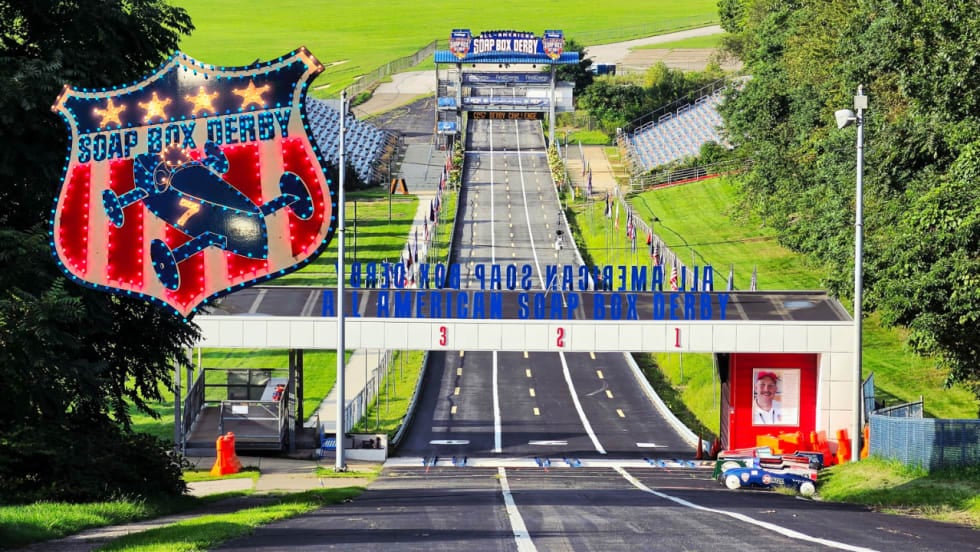
If We Want the Next Generation in Automotive, We Have to Give Them a Reason to Care
The automotive industry talks constantly about its workforce shortage. But before we can recruit the next generation, we may need to do a better job giving kids a reason to care about automotive in the first place.
Read More →
Ram ProMaster City Under $40K, Truck Tariffs, and AI Maintenance Lead the News
A sub-$40K commercial van, tariff questions, AI-powered maintenance, and a new EV production strategy headline this week’s Truck Chat Cheat Sheet.
Read More →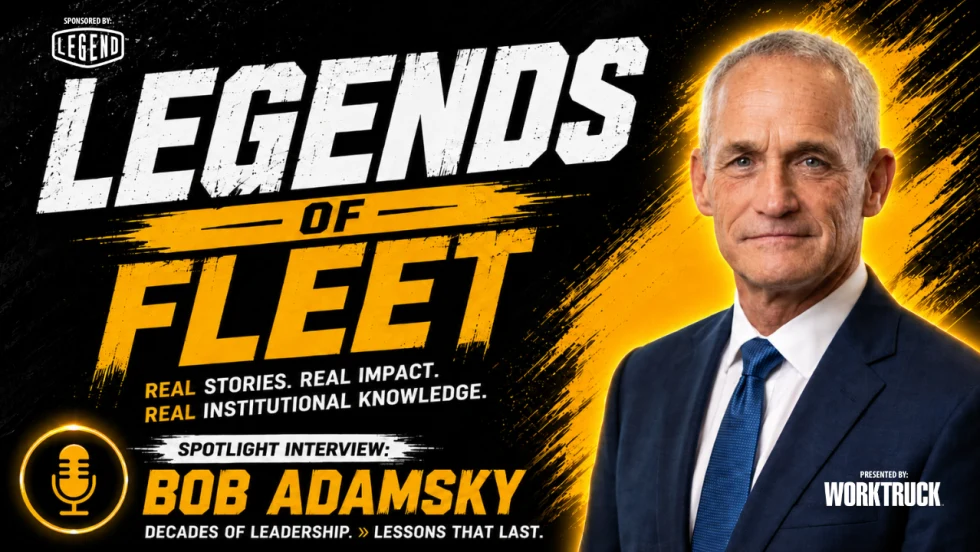
Bob Adamsky Shares the Fleet Lessons You Usually Learn the Hard Way
After more than 30 years in fleet, Arrow International’s Bob Adamsky has learned that the job is about far more than vehicles. He shares the lessons he wishes every fleet manager could learn a little earlier.
Read More →