




6 Years Later: The Cell-Phone Ban
Even though the cell-phone ban is six years old, the temptation to use an electronic device while operating a commercial motor vehicle (CMV) is still strong for some drivers.

Drivers need to understand what activities are not allowed under the cell-phone ban.
Photo: Work Truck
The Federal Motor Carrier Safety Administration (FMCSA) began its crusade against distracted driving with a texting ban that began Oct. 27, 2010. It then advanced to cell phone restrictions by Jan. 3, 2012. Even though the cell-phone ban is six years old, the temptation to use an electronic device while operating a commercial motor vehicle (CMV) is still strong for some drivers.
In 2016, more than 21,000 roadside inspection reports contained a violation for using a handheld mobile device while operating a CMV. And, this statistic does not reflect routine traffic stops by state and local enforcement that result in tickets for cell-phone use.
Let’s Read the Rule
Section 392.82(a)(1) specifically states: “No driver shall use a handheld mobile telephone while driving a CMV.” But, to fully understand these simple 12 words, you must look at the definitions associated with them. The cell-phone prohibition applies to the operation of a CMV as defined in Section 390.5, and any vehicle required to be placarded with hazmat in intrastate commerce. The CMV definition includes smaller trucks and trailers, straight trucks, and big rigs.
A cell phone is called a “mobile telephone” in the FMCSA regulations. It means a mobile communication device that falls under or uses any commercial mobile radio service. Most “push-to-talk” devices are mobile phones and require the driver or user to hold it, which also makes them subject to this ban.
Citizens band (CB) and two-way radios are not commercial services based on the definitions provided by the rule and may be used while operating a CMV.
Prohibited Activities
Drivers need to understand what activities are not allowed under the cell-phone ban. To “use a hand-held mobile telephone” means:
Using at least one hand to hold a mobile telephone to conduct a voice communication.
Dialing or answering a mobile telephone by pressing more than a single button.
Reaching for a mobile telephone in a manner that requires a driver to maneuver such that he or she is no longer seated in a driving position and restrained by a seatbelt.
“Driving” means operating a commercial motor vehicle on a highway, including while temporarily stationary because of traffic, a traffic control device, or momentary delays. Driving does not include operating a CMV with or without the motor running when the driver moved the vehicle to the side of, or off, a highway, as defined in Section 390.5, and halted in a location where the vehicle can safely remain stationary.
A driver may not use a hand-held mobile telephone while stuck in traffic, waiting for a traffic light to change, or at any other time while driving.
Are There Any Exceptions?
Section 392.82(c) allows for an “emergency exception.” In other words, using a handheld mobile telephone is permissible by drivers of a CMV when necessary to communicate with law enforcement officials or other emergency services. The regulations do not consider running late or any other operational inconvenience that a driver needs or wants to communicate to the carrier as an emergency.
Even in a real emergency, the driver should not use a cell phone while driving to contact dispatch. This provision is meant to contact police, request an ambulance, ask for a fire truck, or request other emergency services.
What Are Your Options?
It is acceptable to use a “hands-free” cell phone with an earpiece and a speaking device for the driver to communicate. But, this type of mobile telephone system must only allow the driver to initiate, answer, and terminate a call by touching a single button and must be where the driver does not have to reach any further than the dashboard to operate. Your company policy would dictate if these hands-free options may be utilized despite the allowance in the rule.
Revisit the Cell Phone Topic
Refresher training may be the nudge some need to comply with the cell-phone ban. But, the training should not be exclusively for drivers. Include those in the back office that may pressure a driver to use his or her cell phone. Dispatchers and customer service representatives, for instance, would benefit from an overview of the rule and an explanation of your company’s expectation, including consequences for violating the cell-phone ban.
About the Author
Kathy Close is a transportation editor at J. J. Keller & Associates, Inc. Her areas of expertise include transportation security, DOT drug and alcohol testing, and driver qualification. She can be reached via e-mail at transporteditors@jjkeller.com.
More Safety
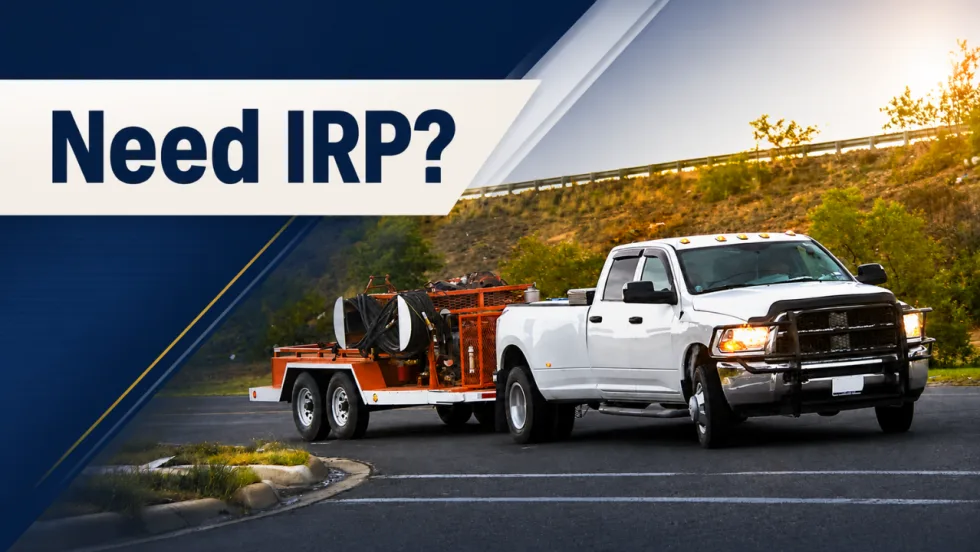
When Work Trucks Under 26,001 Pounds Need IRP Registration
Think trucks under 26,001 pounds are automatically in the clear when it comes to IRP? Not always. Learn where lighter vehicles can still run into trip permit, apportioned registration, and IFTA compliance requirements when crossing state or provincial lines.
Read More →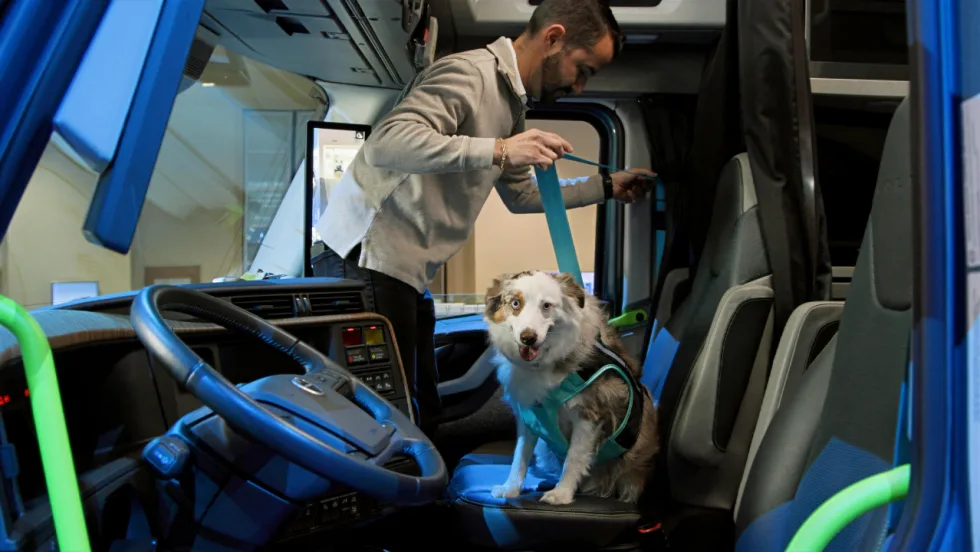
Volvo Trucks Releases New Safety Recommendations for Traveling with Pets
One of the most important recommendations for professional drivers traveling with pets is to ensure pets are properly restrained while the truck is moving. Other tips are available in the new guide from Volvo Trucks North America and Center for Pet Safety.
Read More →
API Issues Refueling Safety Guidelines
The American Petroleum Institute offers a list of safe vehicle refueling guidelines, including ways to avoid potential problems with static electricity discharges in fall, winter, and early spring.
Read More →
Winter Fleet Prep: Expert Tips to Keep Vehicles Running Smoothly
Cold weather can expose weak batteries, tires, fuel systems, and maintenance gaps fast. Use this winter fleet checklist to prepare trucks and drivers before temperatures drop.
Read More →
When a Work Truck Breaks Down, the Job Can Stop, Too
A work truck breakdown can stop more than the vehicle. Discover how payloads, jobsites, and specialty equipment change the roadside response.
Read More →
What Stronger Long-Term Fleet Service Partnerships Actually Require
Fleet service partnerships rarely fall apart all at once. Learn the three warning signs that trust is eroding and what fleets and providers can do before downtime, frustration, and lost revenue follow.
Read More →
Applause & TRUCE Software Partner to Improve Driver Safety Through AI-Powered Telematics & Employee Performance Management
Applause has integrated TRUCE driving metrics directly into its employee-first performance and safety platform that transforms mobile devices into AI-powered telematics.
Read More →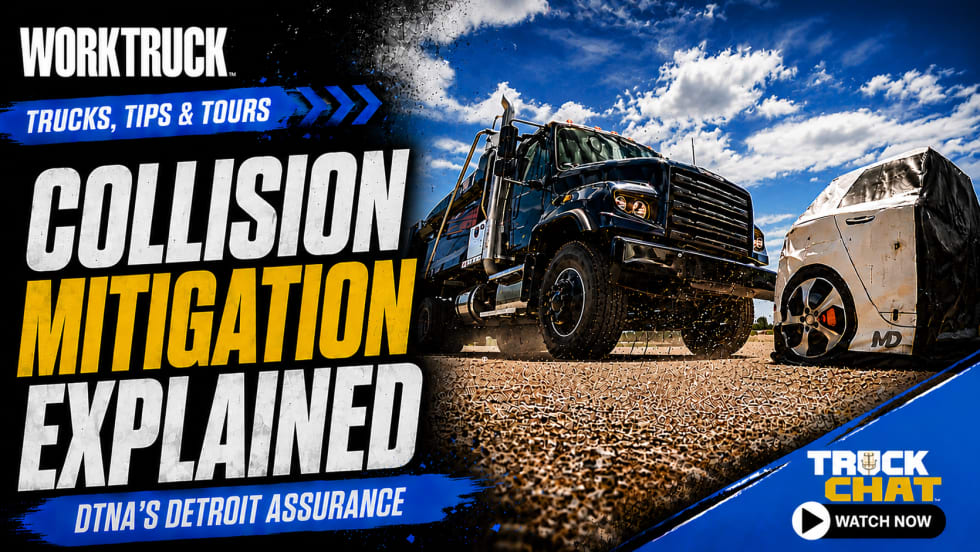
How Detroit Assurance with Active Brake Assist Works
Do you want to see what it is like to experience Detroit Assurance’s Active Brake Assist? In this video, Work Truck will put you in the cab to see how it all works and then hear more details from DTNA’s Mike Young.
Read More →
Get Left of Loss: A 5-Step Workplace Violence Prevention Framework for Fleet Operators
Violence risks do not stop at the driver’s door. Learn five practical steps fleets can take to spot threats early and protect workers before loss occurs.
Read More →
How Better Visibility Cut Speeding Violations by 48%
Fleet leaders don't need more data, they need clearer visibility into what the data is saying. This case study explores how one utility replaced speeding-event counts with a single metric — miles driven in violation — to strengthen safety and significantly reduce speeding violations.
Read More →