





Learn More! Is Your Truck Fleet Truly Safe?
Fleet Safety: What Every Fleet Manager Needs to Know
Keeping driver and third parties safe and reducing the risk of physical damage is grounded in some very basic concepts.
July 1, 2004

The easiest, most effective way to keep drivers safe is instituting a formal written policy that requires all drivers and passengers to wear seat belts at all times.
Photo: Bobit
2 min to read
Fleet safety involves a number of often-complex processes: screening drivers, safety training, reward/penalty programs, and capturing and tracking data.
The following are some basic items that form the foundation of a fleet safety program:
Proper Licensing. Most fleets, screen new hire driving records, but, some don’t follow up. Review the driving records for all employees assigned or authorized to drive company-provided vehicles.
Seat Belt Policy. The easiest, most effective way to keep drivers safe is instituting a formal written policy that requires all drivers and passengers to wear seat belts at all times. Enforce the policy using surveys and spot checks. Make certain that there are consequences for not following the policy.
Vehicle Selection/Specification. Put the right vehicles with the right equipment into service. Vehicles that are too small, underpowered, or under-equipped can decrease acceleration and increase stopping distances, creating dangerous situations. Improper load-carrying capacity can reduce visibility with similar risks.
Enforce Policy Across the Board. “But he/she’s our best sales rep!” How often have fleet managers heard that response when enforcing consequences for unsafe driving? Once an exception is made, other requests will follow based upon the driver’s job performance or, in some cases, position in the company. Secure senior management approval for your fleet safety policy and enforce it without exception.
Keep Vehicles Properly Maintained. Maintain vehicles according to your preventive maintenance schedule and track compliance via exception reports, if possible, and regular condition reports. Safety-related maintenance and repair on equipment such as tires and brakes is critical in reducing the risk of damage and/or injury. Request that the driver’s immediate supervisor sign off on condition reports, and implement a follow-up procedure to make sure that dangerous conditions are dealt with promptly.
Territories. Drivers must be familiar with their territories, a particular issue in companies with high driver turnover. Drivers unfamiliar with the territory will often be distracted, trying to follow written directions or read maps when they should be concentrating on safe driving.
Preventability, Not Fault. Often a driver’s first reaction, when involved in an accident, is “but it wasn’t my fault!” The issue should not be at fault; but preventability. Thoroughly train drivers in defensive driving techniques. They should know that in every circumstance, they will be judged not on whether the accident was their fault, but whether they did everything possible to avoid the accident.
Using these simple basics, fleet managers can then build an effective fleet safety policy, which in turn will reduce the number of accidents and keep their drivers, and the public at large, safe.
Originally posted on Automotive Fleet
Subscribe to Our Newsletter
More Safety
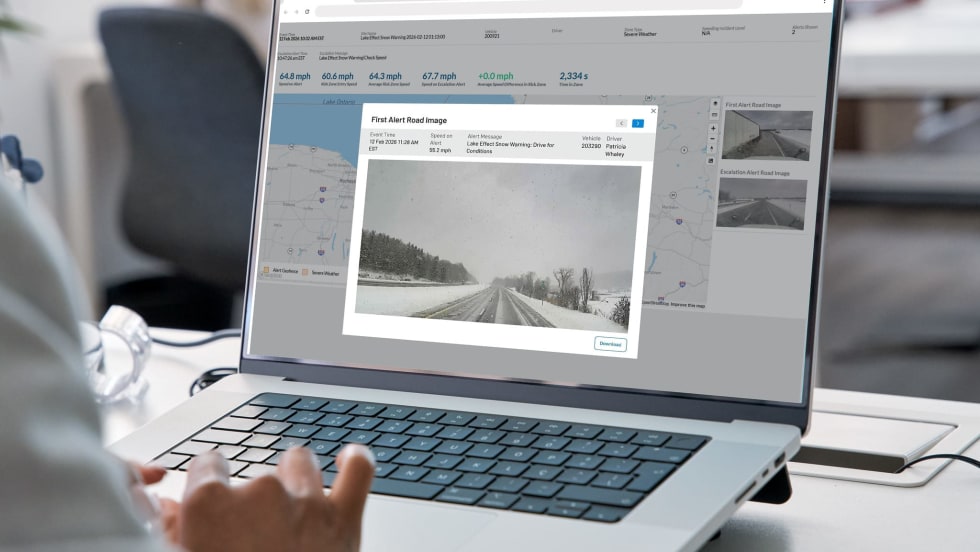
Fleetworthy Integrates Lytx Video Snapshots to Improve Driver Coaching
Fleetworthy’s integration of Lytx video snapshots enables fleet managers to combine visual event evidence with Safety+ risk data, helping them make faster, more informed coaching decisions without leaving the Fleetworthy platform.
Read More →
Recalls You Need to Know About in June 2026
In June 2026, what recalls might impact your fleet? Work Truck has the answers in this comprehensive overview of recent NHTSA recalls.
Read More →
J. J. Keller Safety Professional of the Year Awards Nominations Now Open
J. J. Keller & Associates is accepting nominations for the 2026 J. J. Keller Safety Professional of the Year (SPOTY) Awards. Winners will receive prize packages valued at up to $47,200.
Read More →
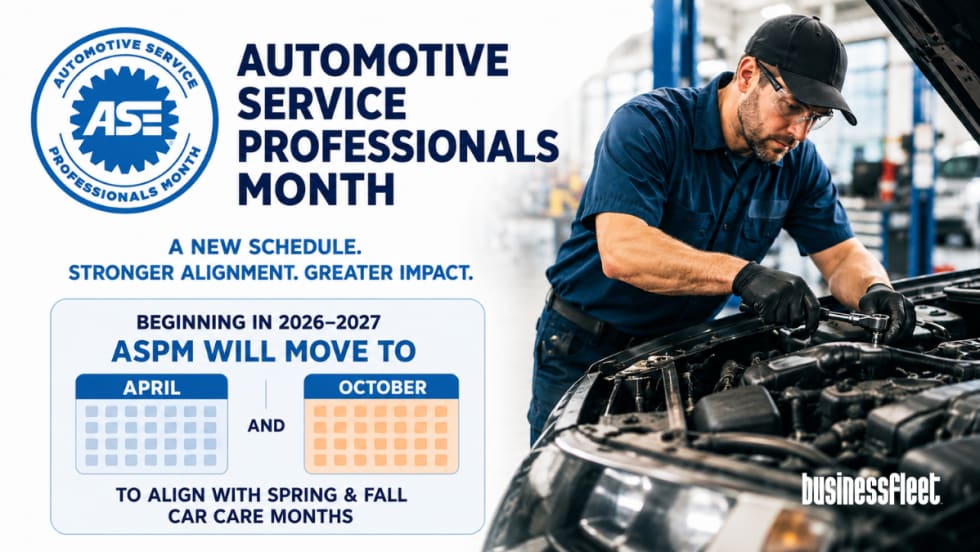
ASE Aligns Automotive Service Professionals Month With Spring and Fall Vehicle Maintenance Campaigns
ASE will move Automotive Service Professionals Month to April and October beginning in 2026-2027, aligning recognition with Car Care Month events.
Read More →
Sponsored•June 1, 2026
Turning Connected Vehicle Data Into Decisions That Matter
Fleet leaders have more data than ever, but turning that data into clear, actionable decisions remains a challenge. This white paper shows how leading organizations are using connected vehicle data to improve safety, reduce costs, and optimize fleet performance. Learn how to turn insight into action across your fleet.
Read More →
Driver Retention: Motive Automates Driver Coaching & Driver Rewards
New automated rewards and recognition capabilities from Motive can help organizations engage drivers, reinforce positive behavior, and reduce turnover. AI Coach has also been updated to deliver personalized feedback across safety, fuel, and compliance.
Read More →
Experts Forecast Broader Impact of Wildfires in 2026
This year’s wildfire season will likely be more intense than in 2025. The 2026 wildfire forecast from AccuWeather is for fewer fires, but even more acreage will be impacted this year.
Read More →
A Walkthrough of the DataQs Process
Bad data on your carrier record can cost you. Here’s how DataQs helps fleets challenge errors before they hit CSA scores, insurance, and your bottom line.
Read More →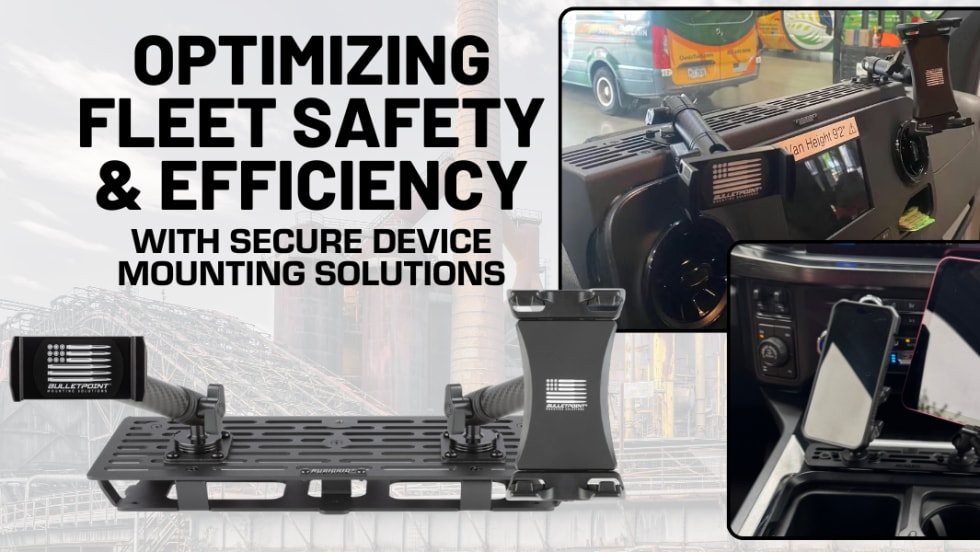
Sponsored•May 26, 2026
Optimizing Fleet Safety with Secure Device Integration
Unsecured devices are a hidden liability. Learn how precision-engineered mounting solutions enhance driver safety, streamline workflows and protect your technology.
Read More →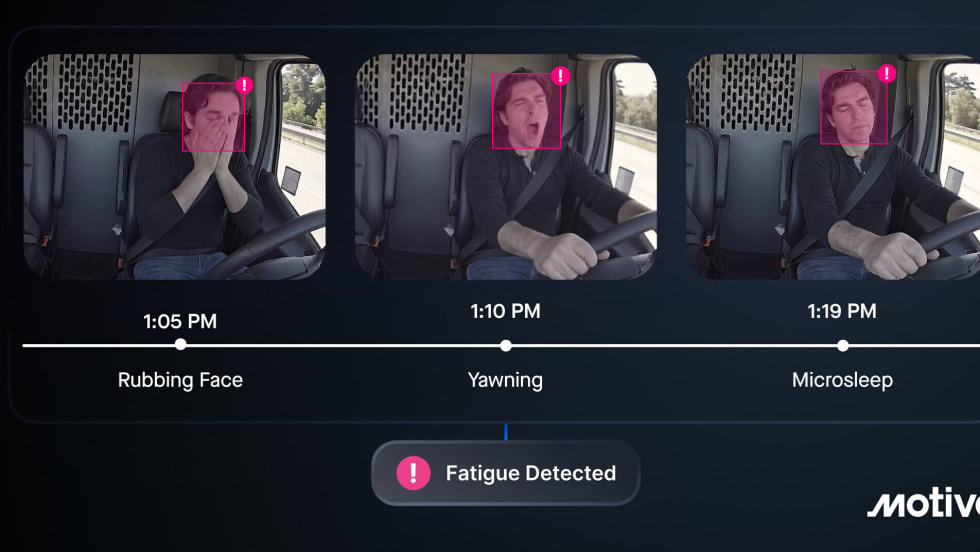
Motive Launches New Edge AI Capabilities to Help Prevent Collisions and Capture Critical Incidents in Real-Time
New AI models from Motive can detect signs of fatigue and eating, plus capture low-severity collisions often missed by telematics.
Read More →