





Related: The Reinvigorated Cargo Van Market
Hyundai Could Bring Commercial Van to U.S.
South Korean-based Hyundai announced it's making a big push in the commercial vehicle market, and published reports indicate it plans to introduce a van model into the U.S. market.
February 17, 2015
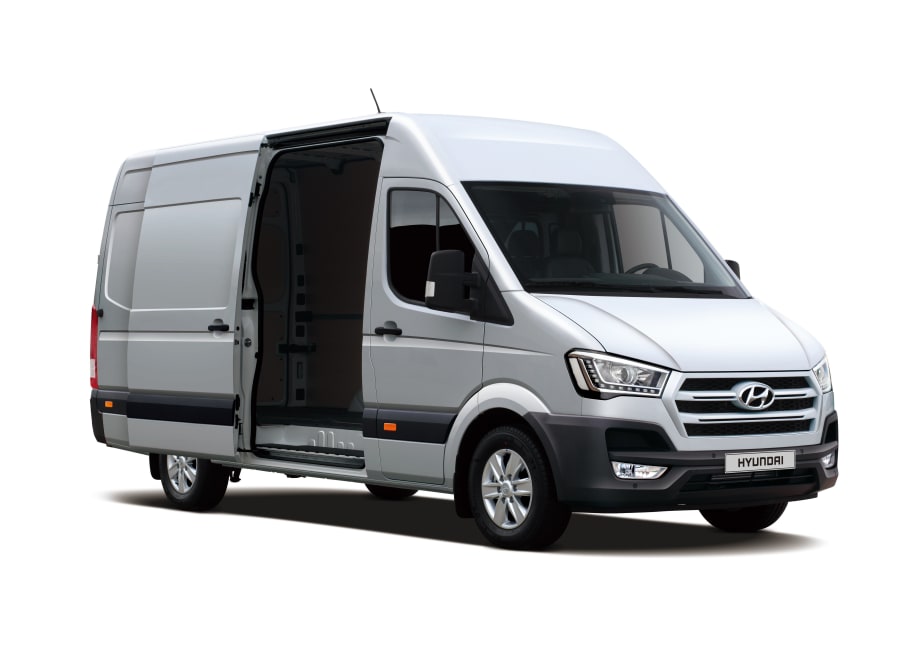
Hyundai is targeting the European market with the new H350. Photo courtesy Hyundai Motor.
2 min to read
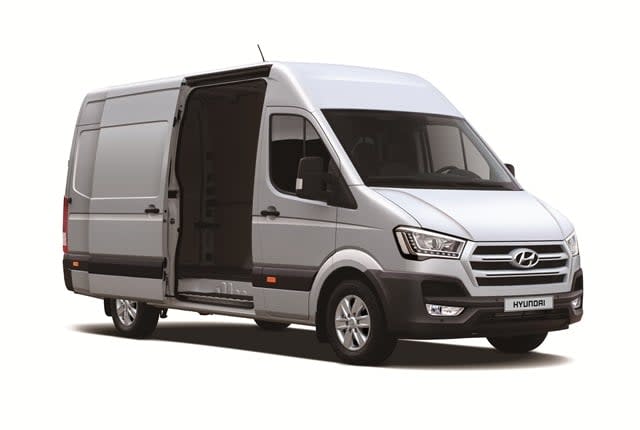
Hyundai is targeting the European market with the new H350.Photo courtesy Hyundai Motor.
South Korean-based Hyundai announced it's making a big push in the commercial vehicle market, and published reports indicate it plans to introduce a van model into the U.S. market.
Hyundai Monday announced that it will invest $1.8 billion over the next six years to expand its research and development in the commercial vehicle market, as well as vastly increase its production of commercial vehicles. Hyundai's current global market share of commercial vehicles is only about 2.1%. It is reported to be aiming at both developed and developing markets.
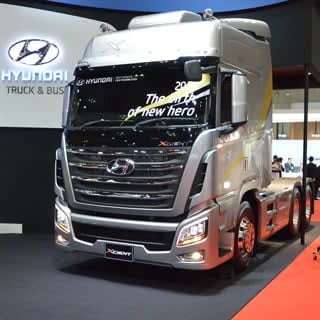
On display at the Tokyo Motor Show in 2013 was the new Hyundai XCient, launched into the South Korean market.Photo by Sven-Erik Lindstrand.
According to a published reports from Reuters and other sources, Hyundai, in a statement on Monday, also said it plans to introduce "premium models in North America and Europe." However, no other details or a time frame were forthcoming.
Hyundai recently started making heavy-duty trucks and tractors for the local market, but it's unlikely we would see a global-style Class 8 tractor here.
However, cargo vans are another story. The U.S. market has seen increasing popularity of Euro-style cargo vans, with models such as the Ford Transit and Ram ProMaster joining Daimler's Sprinter. Last fall at the bi-annual IAA commercial vehicle show in Germany, Hyundai unveiled its H350 light commercial vehicles, which it plans to start building in Turkey in March to enter the Western European market.
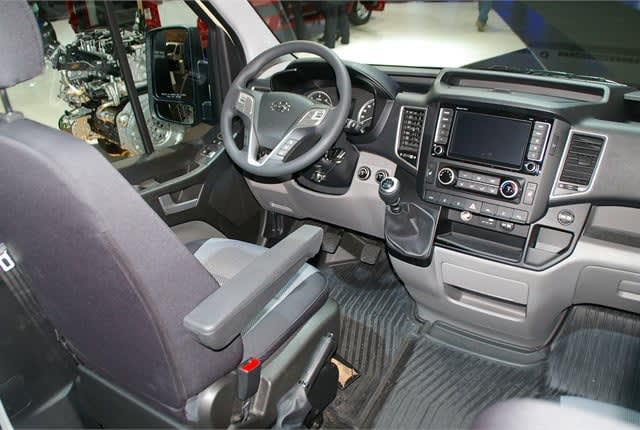
Interior of the H350 at IAA Commercial Vehicle Show in Germany last fall.
At the time the H350 was introduced, Autoblog reported that it looked unlikely the van would arrive on U.S. shores. "While a heck of a vehicle, this isn't anything we are seriously considering right now for the U.S. market," Jim Trainor, Hyundai Motor America's national manager of product public relations, told Autoblog.
However, that may have changed.
It's not the first time Hyundai has tried to enter the U.S. market with a commercial vehicle. In the late '90s, a company named Bering tried to manufacture and import a new line of Class 3-8 commercial trucks in partnership with Hyundai. Bering combined Hyundai's commercial vehicle platforms with U.S.-made drivetrain components.
A 2000 Bering LD15. The now-defunct company produced trucks in partnership with Hyundai.Photo by Mr. Choppers via Wikimedia Commons.
That arrangement ended badly, with Hyundai claiming Bering was unable to meet its warranty, parts and other obligations and had problems paying Hyundai for truck shipments. Bering said it was forced to shut down when Hyundai bailed out of its agreement with Bering in favor of an agreement with DaimlerChrysler. Lawsuits ensued, and in 2001 Hyundai announced it would be marketing a line of Class 4-6 trucks in the U.S. However, Hyundai suspended operations at the end of 2003, citing the difficulties in being a new entrant in a softening and competitive market.
Originally posted on Automotive Fleet
More Operations

2027 GM Trucks, Technician Retention, and Fleet Lessons Lead This Week’s News
New GM pickups, technician retention, fleet leadership lessons, winter equipment, and more headline this week’s Truck Chat Weekly Cheat Sheet.
Read More →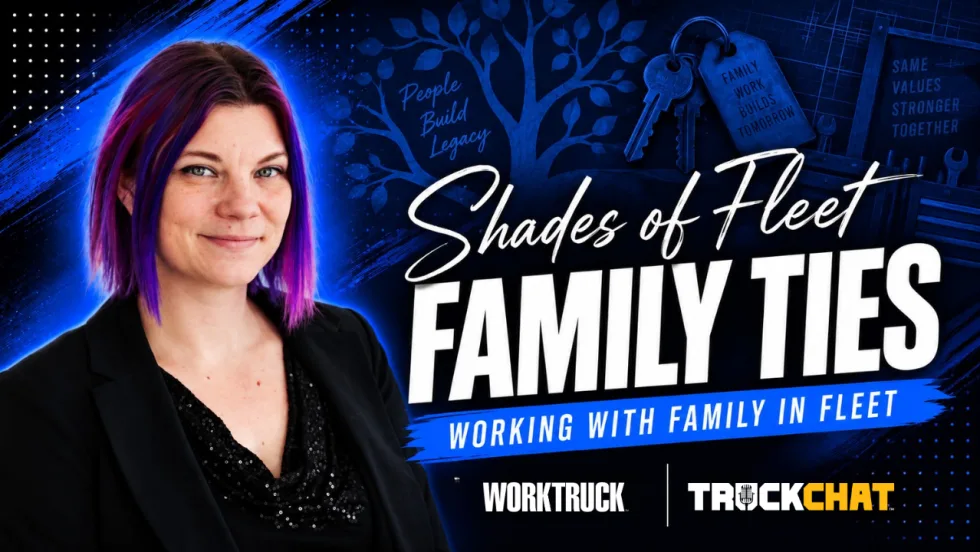
Family Ties Inside the Fleet Families Building Careers Across Generations
Three fleet families share what it really takes to work together, learn across generations, and keep business from following them home.
Read More →
Shades of Fleet Call for Voices: Fleet's Hidden Heroes
Fleet’s hidden heroes are often the ones keeping everything moving behind the scenes. September’s Shades of Fleet is looking for dispatchers, coordinators, parts specialists, and other support pros to share their stories.
Read More →From Our Partners



Truck Centers, Inc. Celebrates National Truck Driver Appreciation Week with $1,000 Fuel Card Giveaways
During National Truck Driver Appreciation Week, Truck Centers, Inc. is offering customers a chance to fuel up for free. Customers at all Truck Centers locations can enter to win one of four $1,000 fuel cards from Sept. 14 - 18.
Read More →
Fleet Guides, AI Time-Savers, Truck Tariffs & Fuel Strategy Lead the News
This week’s Truck Chat Cheat Sheet covers new fleet vehicle guides, practical AI use cases, U.S.-Canada truck production, mixed-energy strategy, and more.
Read More →
What Fleet Employers Are Missing When Hiring Veterans
What if some of the strongest candidates for fleet are already out there, but their experience is written in a language our industry does not always recognize?
Read More →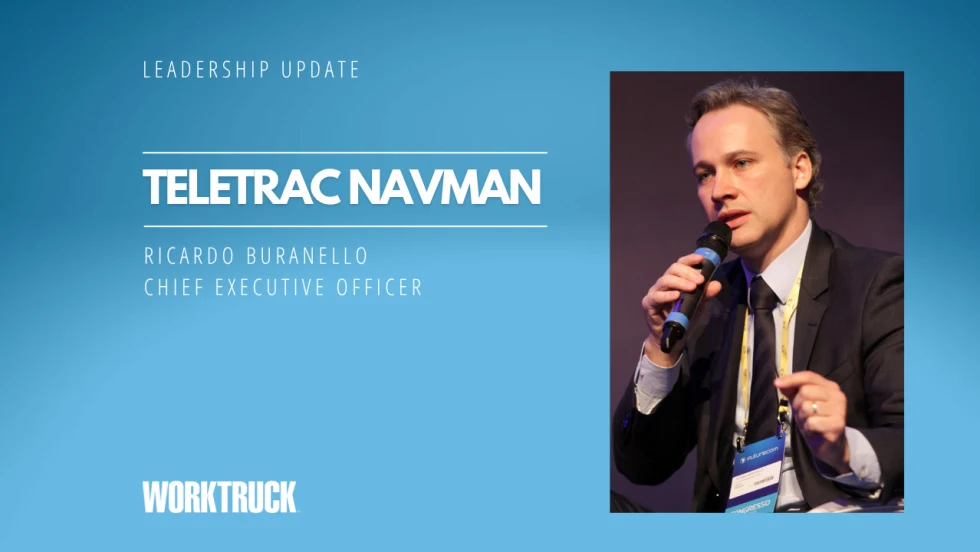
Teletrac Navman Promotes New CEO from Within
Teletrac Navman’s next CEO, Ricardo Buranello, has served as the company’s chief financial and operating officer. He brings deep financial and operational expertise, a strong strategic orientation, and an intimate knowledge of the business to his new role.
Read More →
Automotive Fleet Opens 2026 Personal Use Survey for Commercial Fleet Managers
Less than two weeks left! Commercial and corporate fleet managers are invited to share how their organizations handle company vehicle personal-use policies, charges, and driver eligibility.
Read More →
What Resilient Fleets Do Differently When Conditions Change
Fleet resilience is about more than reacting to disruption. Lauren Fletcher talks with AP Fleet’s Alex Coveney about flexibility, planning, scaling, and what helps fleets adapt when business conditions shift.
Read More →
Isuzu & U.S. Department of Labor Celebrate Milestone for Veterans Apprenticeship Program
The Isuzu Veterans Apprenticeship Program (IVAP) signing ceremony highlighted Isuzu’s long-term commitment to veterans, Isuzu dealers, and the skilled workforce supporting its customers and the commercial transportation industry.
Read More →