




Tire Demand Expected to Increase in 2013
FULLERTON, CA - What a difference a year makes. According to Rick Phillips, Yokohama Tire Corp.’s director of commercial sales, 2012 could not have been any more different than 2011.

PHILLIPS
FULLERTON, CA - What a difference a year makes. According to Rick Phillips, Yokohama Tire Corp.’s director of commercial sales, 2012 could not have been any more different than 2011.

PHILLIPS
In this Q&A interview provided by Yokohama toWork Truck's sister publication, Modern Tire Dealer, Phillips discusses what the challenges were within the commercial tire industry in 2012 - and how they will affect 2013.
Question: How would you sum up 2012 for the commercial tire industry? Was there anything that surprised you?
Rick Phillips: 2012 was very surprising. In the 35 years I’ve been in the industry, I’ve never seen two years back to back that were as different as 2011 and 2012. The unpredicted swing in supply and demand, and also the price of raw materials, made 2012 somewhat of a challenging year.
Question: What were the main differences between 2011 and 2012?
Phillips: In 2011, we were coming out of the recession and had a bigger spike in recovery than expected. There was a lot of pent-up demand and very little supply -- and the industry wasn’t ready for it. This created a lot of product shortages in the industry.
On top of that, the prices of raw materials increased dramatically. In 2012, it all switched: We saw demand slow down considerably, which caused inventories to build, and the price of raw materials reversed course and decreased.
Question: How did the different yearly scenarios affect Yokohama?
Phillips: Yokohama actually fared well in both years. The challenge in an unpredictable market is to maintain a high level of service for your customers while adapting and adjusting to the changes that are occurring. We were successful at doing this because we actually gained market share both years. In 2012, our total volume actually was down a little bit -- like the rest of the market -- but overall, we were able to gain market share.
Question: What are the hot industry topics right now?
Phillips: Fuel efficiency continues to be the hot topic. Fleets are trying to deliver more freight and burn less fuel. Tires contribute significantly to the overall fuel consumption of a vehicle, so the key is trying to make tires that are truly fuel efficient without sacrificing mileage and retreadability. We rely on our technology to accomplish just that without sacrificing the other elements.
Question: You’re a big advocate of fleets maintaining the proper air pressure in their tires. Why is that important and how are you relaying the message?
Phillips: The single most effective piece of maintenance relating to tires is just keeping them properly inflated. This year, we developed a web-based air pressure calculator tool that calculates the correct inflation pressure by simply entering the tire information and load weights by axle.
We’re trying to be as creative as we can to come up with more solutions to help fleets lower their tire costs. Having properly-inflated tires is critical to help manage fuel consumption and ensure the wearability of the tire and the sustainability of the casing.
Question: What do you foresee for the commercial tire industry in 2013?
Phillips: We see the overall commercial tire demand increasing slightly in 2013. There were a lot of inventory corrections industry-wide in 2012, so we should see more of a balance of supply and demand than there has been in the past couple of years. Then in 2014-15, we think there is a good chance tire demand could pick up again -- significantly.
As for the economy, there are a few things to worry about. First and foremost is the fiscal cliff. Depending on what happens, we could be fine or we could enter a deeper recession. Our projections are based on avoiding the cliff. At best there is still a lot of uncertainty. There are also issues with Europe and China, which could affect the U.S. economy.
Hurricane Sandy has had an effect on the transportation industry. We’ve seen estimates that it initially cost the trucking industry $140 million a day in down time, and that 20% of the industry was not hauling freight due to the aftermath of the storm. But long-term, the impact could be good for the trucking industry because they’re projecting around $100 billion to rebuild and trucking/transportation could be as much as 10 to 12% of that total. That would be a big shot in the arm for the trucking industry.
The commercial tire industry is also obviously dependent on the trucking industry. Besides dealing with the high cost of equipment and fuel, there are a lot of regulatory issues to deal with like CSA (Compliance, Safety and Accountability) and HOS (Hours of Service). These will challenge a lot of fleets.
But probably the most worrisome issue when we talk to our fleet customers is the current driver shortage. It’s a major problem and it figures to get worse. And if the economy picks up and more jobs are available, we could even see truck driving jobs gravitate toward construction and other work. This is making it tough to keep freight moving with trained drivers.
Question: Is there any solution in the trucking industry to address the shortage?
Phillips: Trucking is a tough industry. Drivers are away from home sometimes for weeks at a time. It’s definitely an industry where it’s difficult to find good people. Plus, there’s a lot of training involved to get a license. Many fleets require additional training and truck driving school is expensive.
It’s an interesting dilemma: We’ve got very high unemployment and yet there’s a huge truck driver shortage.
Question: It sounds like the economy is recovering and more goods are being moved. Will that create more demand for commercial tires?
Phillips: Freight and GDP are pretty tightly tied together. When people buy things, those things get moved by truck at some point. Right now, GDP growth is not great but it’s enough to challenge the capacity. There’s a good bit of money on the sidelines but still a lot of uncertainty, so spending is very cautious.
However, we are seeing some positive signs that things could be turning around. The housing industry is one of those. Hopefully, we will continue to see more good signs than bad.
(For more information on Yokohama’s extensive product line, visit www.yokohamatire.com.)
More Operations

From Military Service to Fleet Leadership | Shades of Fleet
Military service ends, but the lessons don't. Hear how veterans are shaping fleet leadership through adaptability, teamwork, and mission-driven thinking.
Read More →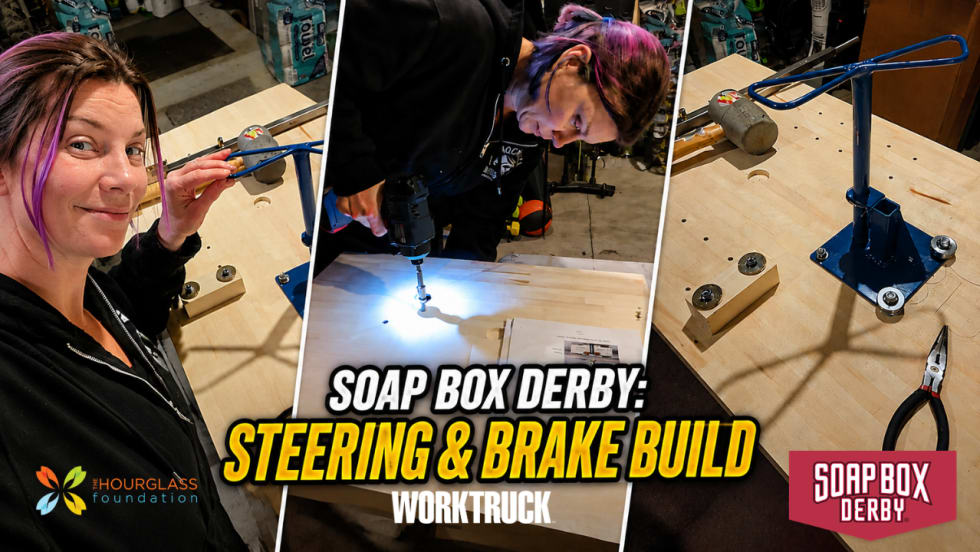
Behind the Scenes: Building a Soap Box Derby Car from Scratch Part 1
Follow along as the Soap Box Derby build continues with the platform, steering system, and brakes coming together ahead of race day.
Read More →
Disaster Prep, AI & Reliability in Fleet Management | Truck Chat May Recap
Disaster readiness, workforce pressure, reliability strategy, AI overload, and the changing role of fleet leadership are all colliding at once. This month’s Truck Chat Recap breaks down what fleets need to pay attention to now.
Read More →
Fleet Readiness, Reliability, and the Pressure Points Shaping Operations Right Now
This month’s Truck Chat Recap explores disaster preparedness, workforce opportunity, expanding fleet leadership roles, reliability strategy, AI overload, and the operational realities fleets are navigating right now.
Read More →
Turn Fleet Data Into Smarter Decisions
Fleet leaders have access to more operational data than ever, but disconnected systems and unclear metrics often slow decision-making instead of improving it. This article outlines five practical steps fleets can take to transform fragmented data into actionable insights that improve planning, safety, utilization, and long-term performance.
Read More →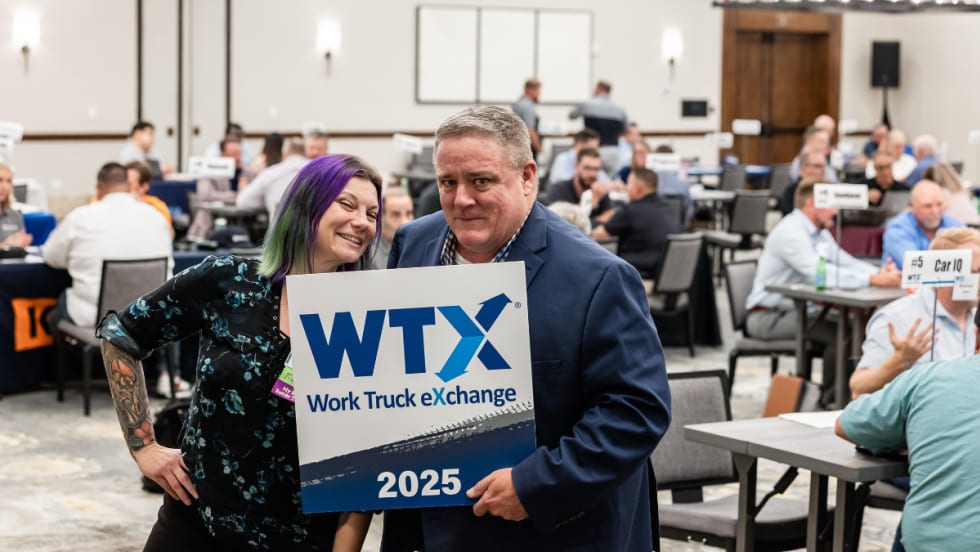
Limited Spots Remain - Apply for Work Truck Exchange Today!
Instead of walking endless show floors hoping to stumble into the right conversation, WTX is a curated experience built around making your time count.
Read More →
Building Better Fleets Through People, Data, and Leadership | Fleet Legends
What can today’s fleet managers learn from 30+ years of industry leadership? Ruth Alfson shares real-world lessons on teams, tech, data, and the future of fleet.
Read More →
Motive Unifies Cold Chain Visibility & Cargo Security into a Single Sensor
Motive has launched its Door and Environmental Sensor, a wireless sensor that combines accurate climate monitoring with door-status data in a single device and integrates easily with existing Motive workflows.
Read More →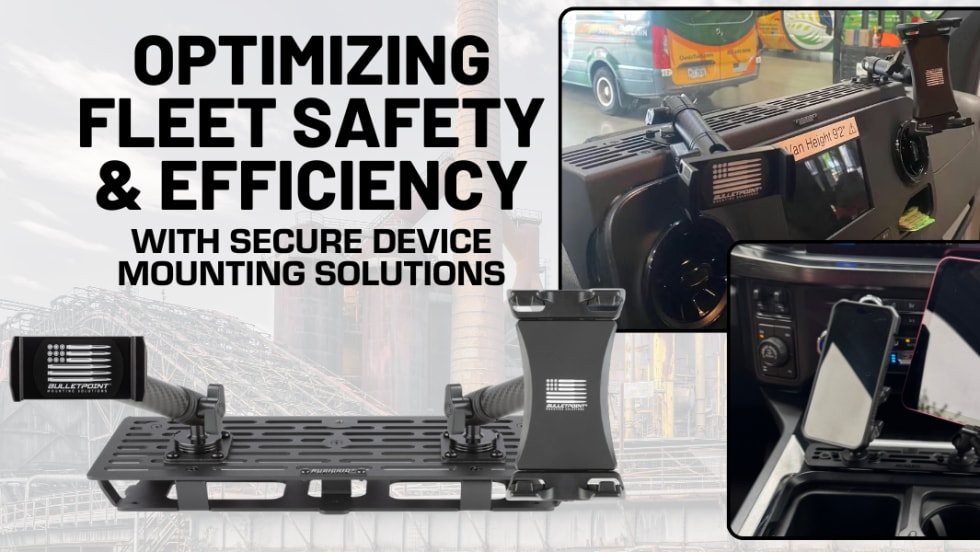
Optimizing Fleet Safety with Secure Device Integration
Unsecured devices are a hidden liability. Learn how precision-engineered mounting solutions enhance driver safety, streamline workflows and protect your technology.
Read More →
Work Truck Seeks Industry Voices for ‘Shades of Fleet: Pride in Motion’
Share your story in Work Truck’s new “Shades of Fleet” video series, spotlighting real voices, experiences, and perspectives across fleet.
Read More →