




PG&E’s Mobile Surveyor Improves Gas Leak Detection
By installing new gas leak surveyors onto several fleet vehicles, PG&E is able to reduce safety risks for its crew members and its natural gas pipelines, while increasing efficiency and accuracy in detecting gas leaks.

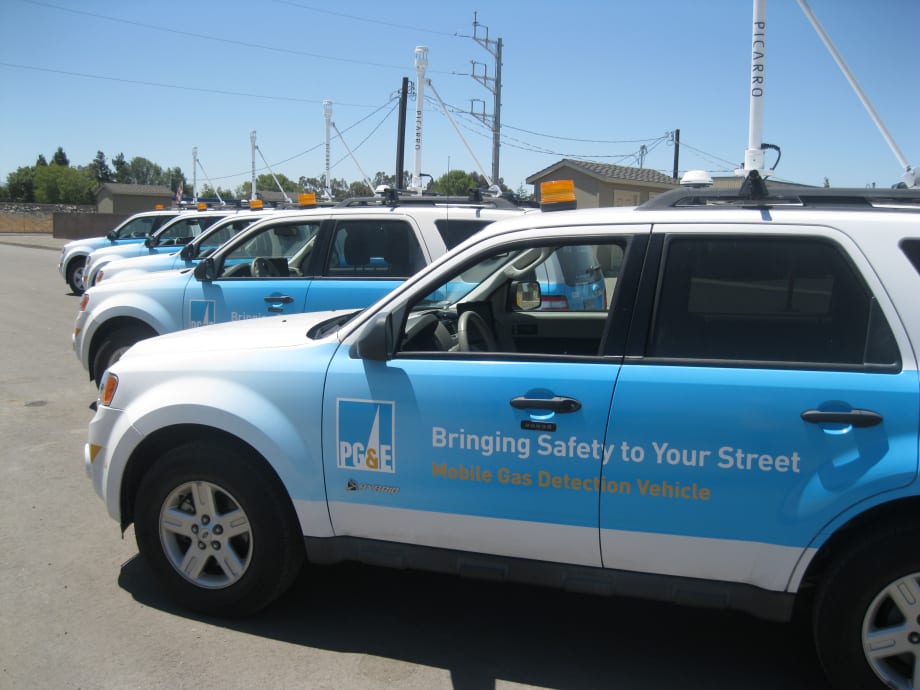
Photo courtesy of PG&E Currents.
PG&E's new mobile gas detection system, called the Picarro Surveyor, is "1,000 times more sensitive than traditional gas leak detection equipment," according to the utility company.
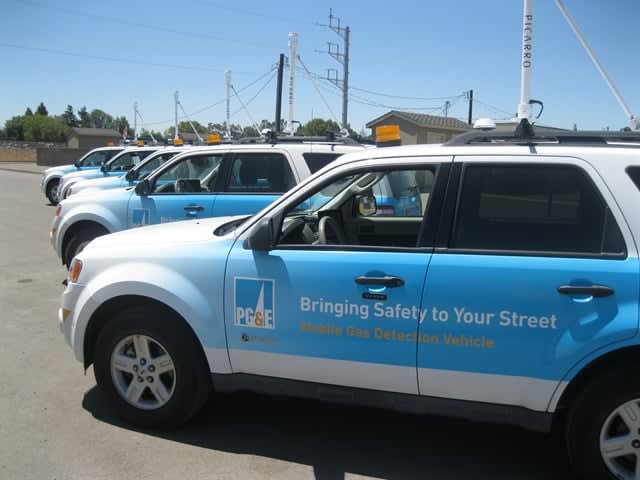
Photo courtesy of PG&E Currents.
PG&E's new mobile gas detection system, called the Picarro Surveyor, is "1,000 times more sensitive than traditional gas leak detection equipment," according to the utility company.
By Joanne Tucker
In one of its latest technology adoptions, PG&E is mobilizing gas leak surveying technology through the utility’s fleet. The move will significantly reduce time typically spent surveying gas leaks by hand, and not to mention will improve the safety of its natural gas pipelines and of workers near the road, says Jason King, PG&E spokesperson.
The Tech
The system, called the Picarro Surveyor and created by Silicon-Valley based Picarro Inc. in collaboration with PG&E, underwent beta testing for nearly two years. The first surveyor launched into service in mid-July of this year, King says.
The vehicles are upfitted with an anemometer, which sticks out about 10 feet from atop the vehicle and measures wind speed; a stainless steel tube mounted on the front of the vehicle that vacuums in air; and a computerized surveyor in the trunk analyzing those molecules. An iPad fixed onto the dashboard displays to the driver — who’s driving at no more than 15 mph — if there’s a potential gas leak, and GPS helps to pinpoint the exact location of the leak.
While surveying, the information is sent in real-time to Picarro’s headquarters and PG&E.
According to PG&E’s company blog, this system is the first gas surveying tool of its kind and that it’s “1,000 times more sensitive than traditional leak detection equipment.”
In the past, PG&E crews performed gas leak surveys on foot. “It’s a very arduous process,” King says.
Surveying done on foot can take up to a week to get field results back from the lab, but with the Picarro Surveyor, results come back in less than 10 minutes. The new system can determine in the field whether it’s a natural gas leak or naturally occurring methane gases. The surveyor also works further away from meters, meaning crew members can simply drive past homes to get readings.
As well, carrying out leak detection on foot was always a safety issue, so having crew members less exposed to traffic helps to reduce this risk. The increase in efficiency and accuracy also provides a new level of safety to PG&E’s gas lines. “We want to be able to survey our system more frequently so it’s operating more safely for our customers,” King says.”
One safety concern with the new equipment is due to the size of the anemometer and also the responsibilities of the driver while traveling at low speeds. King says all gas surveying drivers are sent to an additional training course for the vehicle and the technology at PG&E’s training facility in Livermore, Calif. “Obviously, the drivers have to be very diligent since they’re hugging the side of the road — whether it’s mailboxes or curbs — and then the height is also an issue, so that’s all part of the training,” he says.
The Outlook
Due to immediate success in saving time and finding leaks more accurately, PG&E will continue to roll the technology out to additional locations. Currently, the utility has six of these mobile gas surveyors put to use in California, including in Sacramento and Santa Rosa, and is currently adding it to vehicles in Hayward, Concord and Stockton.
The utility is so far using Ford Escape Hybrids and Chevrolet Volts to upfit the surveyors. King says using hybrids is important due to the driving style while surveying, but also to stay in line with PG&E’s overall fleet goals. “We always look for opportunities to green our fleet and these vehicles are one example,” he says.
King says that PG&E has received many phone calls from utility companies across the country asking about the technology. He says companies are more than welcome to reach out regarding the Picarro Surveyors by calling (415) 973-5930.
You can watch a video from PG&E on the Picarro Surveyor here.
More Utility Fleet
Reduce Noise & Idling with Viatec’s ePTO
Viatec's Workforce ePTO lets utility trucks power booms, outriggers, and auxiliary equipment using battery power instead of idling the engine. Learn how this technology helps reduce fuel use, noise, engine wear, and emissions while improving operator comfort.
Read More →
Why Utility Fleets Choose the Kenworth T380
The Kenworth T380 is engineered for utility fleets with custom chassis layouts, optimized frame rails, 4x4 capability, and improved driver visibility. See how its design helps maximize upfit flexibility and field performance.
Read More →
PALFINGER PB 38 AT P: Purpose-Built for Telecom Fleets
Purpose-built for telecommunications crews, the PALFINGER PB 38 ATP combines a 43-foot working height, flexible basket stowage, integrated cameras, and operator communication systems to improve productivity and safety during fiber and overhead cable installation.
Read More →
Inside Terex Utilities' Latest Work Truck Innovations
Terex Utilities is advancing utility fleet operations with its new TRX aerial platforms, Flex Pro controls, and AI-powered 3rd Eye safety technology. See how these innovations are helping fleets work safer, smarter, and more productively.
Read More →
Walkaround of International MV607 Digger Derrick
The International MV607 combines advanced safety technologies, excellent visibility, vocational flexibility, and seamless body integration to create a powerful platform for utility fleet operations. Take a closer look at this Altec digger derrick configuration from EUFMC.
Read More →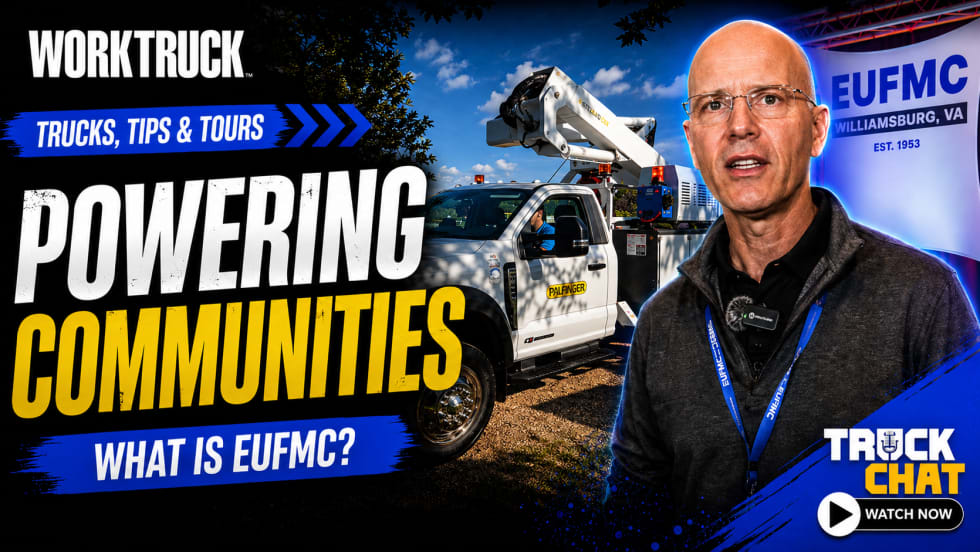
Inside the Electric Utility Fleet Managers Conference
What is EUFMC? For more than seven decades, the Electric Utility Fleet Managers Conference has served as a hub for collaboration, education, and innovation within the utility fleet industry. In this video, Work Truck talks to EUFMC President Greg Loew to learn more.
Read More →
Inside the EUFMC Equipment Expo & Drive-Through
Follow Work Truck as we check out the trucks and other vehicles that were showcased at the Electric Utility Fleet Managers Conference in Williamsburg, Virginia. Whether looking for something on tires or treads, it was there for fleet managers to see.
Read More →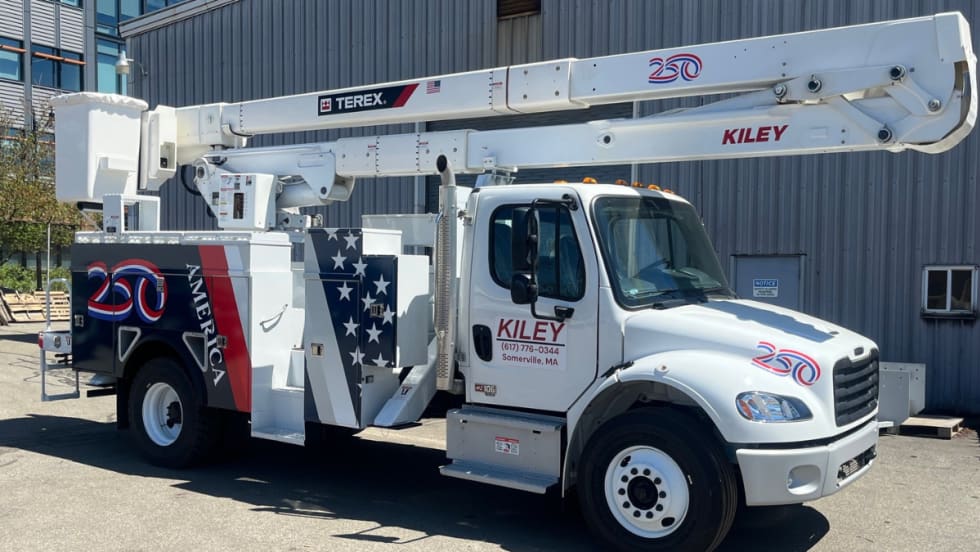
Terex Utilities & Kiley Unveil Custom America 250 Bucket Trucks at EUFMC 2026
Terex Utilities showcased a patriotic spirit in its booth this week during the Electric Utility Fleet Managers Conference in Williamsburg, Virginia, by debuting two custom-wrapped bucket trucks celebrating America’s upcoming 250th anniversary.
Read More →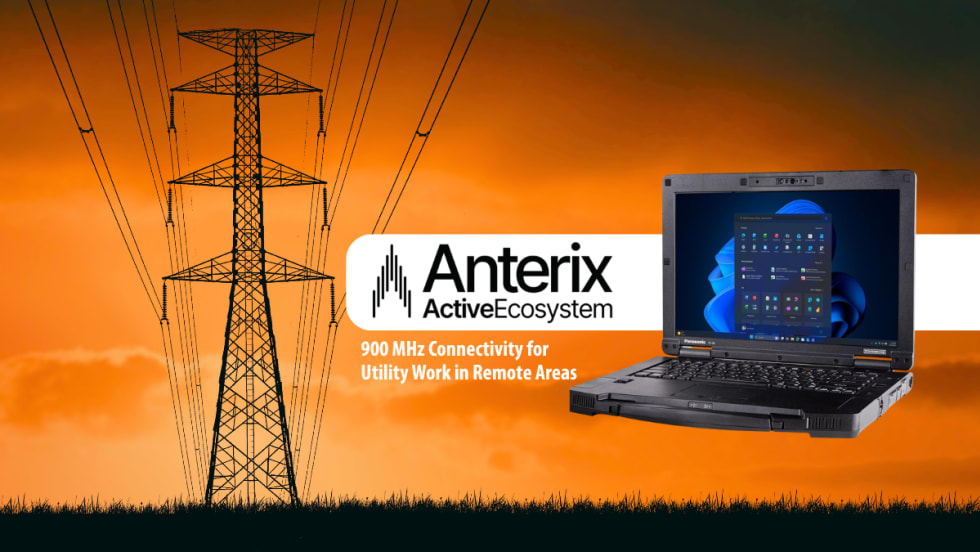
Panasonic Connect & Anterix Strengthen Connectivity Options for Utilities and Field Workers
The Panasonic Connect Toughbook 56 is the first Toughbook to earn the AnterixActive badge, which means it can connect to and operate on Anterix’s 900 MHz network even in the most remote locations.
Read More →
Streamlight Launches Portable Scene Light III & LiteBox 1Million
Streamlight has launched its Portable Scene Light III (PSL III), which delivers up to 10,000 lumens, and the LiteBox 1Million, a long-range search light that delivers one million candela.
Read More →