




40 Ways to Reduce Truck Fleet Costs
By taking a long and hard look at tires, driver behavior, specs, maintenance, management, and safety, truck fleet managers can find plenty of ideas for reducing fleet costs.
July 1, 2007


There are several areas fleet managers can focus on to reduce fleet expenses and increase driver safety.
Photo courtesy of Creative Commons
5 min to read
There are many factors that contribute to overall fleet expenses. A few areas where fleet managers can put a little effort to make big savings and improvements include truck tires, driver behavior, work truck specifications, preventive maintenance, fleet management, driver safety, and safety technologies.
How to Reduce Tire Expenses
Properly choosing and maintaining tires can significantly affect lower fleet fuel expenses and extend tire life.
Develop a tire retreading program. Retreading existing radial-ply tire casings can add an additional 120,000 miles per retread at about 35% of the cost of a new tire.
Poor alignment wears out tires as much as it cuts fuel efficiency. Check alignment on a regularly scheduled basis.
Check alignment under these special circumstances: if the truck has been towed; if unusual wear is noticed; and anytime tires are changed.
Make certain all tires installed are properly balanced. This will help eliminate wear and cab vibrations.
All tire valve stems should have a seal-type valve cap to protect tires from road dirt entering the stems and starting slow tire leaks.
Remember both underinflation and overinflation of tires will increase tire wear and reduce fuel efficiency.
Have drivers carry a pocket air pressure gauge to ensure proper tire inflation when they do their pre-trip inspection.
Impact of Driver Behavior on Fleet Costs
The way drivers handle their trucks has a major impact on fuel economy. It pays to encourage drivers to adopt the most efficient driving techniques.
When starting a truck, don’t rev the engine. Let the engine warm up on its own.
When warming up the engine, take about 10 minutes to reach adequate operating temperature. Warm-ups longer than 10 minutes, except in subzero temperatures, simply waste fuel.
Run at the most fuel-efficient engine speeds.
Avoid idling whenever possible. If you leave your truck, shut it off. Just one half-hour of excessive idling before or after a 100-mile trip can reduce mpg by about one-third.
Keep in mind an engine wears out twice as fast idling as under normal operation. One hour of unnecessary idling a day, over the course of a year, adds the equivalent of 26,000 road miles to an engine’s wear.
Properly Spec'ing Work Trucks for Cost Reduction
When spec’ing vehicles, make sure all components—the drivetrain, tires, engine, and aerodynamics—are properly matched to maximize fuel efficiency.
Adding aerodynamic features to vehicles can be cost-effective. Rule of thumb: each 10% reduction in air resistance increases mpg by 5%.
When spec’ing a vehicle, be aware of the weights of the various components. Extra weight not only increases fuel consumption, but also cuts down payload.
Give careful thought to the way vehicles are painted and lettered. An attractive truck can serve as an excellent and cost-effective advertisement for your business.
Ensure Proper Preventive Maintenance
Preventive maintenance pays off by avoiding unnecessary and expensive repairs in the long run.
A preventive maintenance program is well worth the investment. It minimizes downtime, increases equipment lifespan, and saves fuel.
Winterize vehicles by checking cooling systems, tires, and electrical systems.
Don’t forget to service air filters frequently. Before every trip, drivers should look under the hood and check:
All fluid levels.
All hoses, lines, belts for tightness and fraying, and electrical wiring for fraying, cracks, and worn or burned spots.
Changes to Fleet Management Methods
When more efficient operating methods come along, test them, and if they work, use them. Here are some proven suggestions your company might want to try:
Educate company drivers on the various ways idling can substantially raise fleet costs.
Create a driver training program with incentives to promote more efficient fuel use.
Start a company driver committee to discuss and offer cost-saving ideas to management with rewards for implemented ideas.
Computerized routing and scheduling are available to cut overall mileage.
Use computerized management reports to monitor fleet performance such as fuel consumption, maintenance costs, driver productivity, and total cost per mile.
Know the vehicle’s operating costs per mile.
Driver-assistance hiring programs that explain mandatory drug testing and CDL requirements result in better hiring practices.
Impact of Driver Safety & Safety Technology
Take a look at the factors affecting your fleet’s safety. This can save not only money, but also lives.
Keep the entire truck clean—the engine compartment, the drivetrain, the frame, the axles, and other undercarriage components—to improve visual inspection in all areas.
To reduce sick time and workers’ compensation claims, hold a back-injury prevention seminar. Back injuries are the most common, but preventable, worker-related injury among truck drivers.
Develop a professional driver safety program to reduce accidents, citations, and insurance premiums.
Provide drivers a training seminar on safe winter driving techniques.
The Federal Highway Administration conducts safety reviews and assigns safety ratings. Keep all safety program paperwork in order.
Here are steps a driver can take to improve his or her physical safety:
Perform pre-trip inspection the same way every time. Establishing a routine prevents oversights.
Make sure drivers always carry: spare electrical fuses, three red reflective triangles, properly charged and rated fire extinguishers, and extra headlamps and light bulbs.
When checking wheels, look for rust around lug nuts. This may indicate they are loose.
On wet, icy, or snow-covered roads, it is best not to use an engine retarder. Engine retarders can cause the truck to go into a skid.
Remember that empty trucks take longer to stop than heavier trucks because there is less friction between the tires and the road surface.
If the road is wet, stopping distance is doubled, so reduce speed by one-third. On snowy roads, reduce speed by one-half. On icy roads, slow to a crawl and stop as soon as it is safe to do so.
For a more complete list of driver safety precautions, contact your regional Department of Transportation office.
Subscribe to Our Newsletter
More Operations

How to Build a Lasting Fleet Career by Staying Curious and Connected
Tina Kourakos never planned on a career in fleet. More than 30 years later, she says curiosity, strong relationships, and a willingness to keep learning helped turn an unexpected assignment into a career spanning fleet management and OEM leadership.
Read More →
Think You Know Trucks? Take Our 19-Question Fleet Trivia Challenge
From chicken lights to diesel engines and trucking history, test your knowledge with 19 questions from the 2026 Work Truck Exchange and Heavy Duty Trucking Exchange.
Read More →
Where’s My Truck: Inside the Fleet Logistics Work Nobody Sees
Shades of Fleet video thumbnail featuring Lauren Fletcher beside the text “The People Behind the Process, Keeping Fleets Moving,” with fleet vehicles and logistics imagery in the background.
Read More →From Our Partners
Basic Tracking vs Next Generation Fleet Technology
Sponsored by AT&T Business

5 Facts Every Fleet Manager Should Know About Embedded Telematics
Sponsored by Stellantis/Mobilisights

How AI Video Telematics Boosts Driver Safety and Helps to Avoid Unnecessary Costs
Sponsored by Verizon Connect

Charting the 8 Bottom-Line Benefits of Workforce Optimization
Sponsored by Verizon Connect


Work Truck Seeks Fleet and Industry Insights on 2026 Trends and 2027 Forecasts
Work Truck is seeking insights from fleet leaders and industry partners on the trends that shaped 2026 and what commercial fleets should prepare for in 2027. Participate today!
Read More →
It's 10 p.m... Do You Know Who Has Access to Your Fleet?
Preventing cargo theft requires investment in technology, operational processes, and employee training. In an industry with tight margins, it can be difficult to justify investments whose value is measured by incidents that might never occur.
Read More →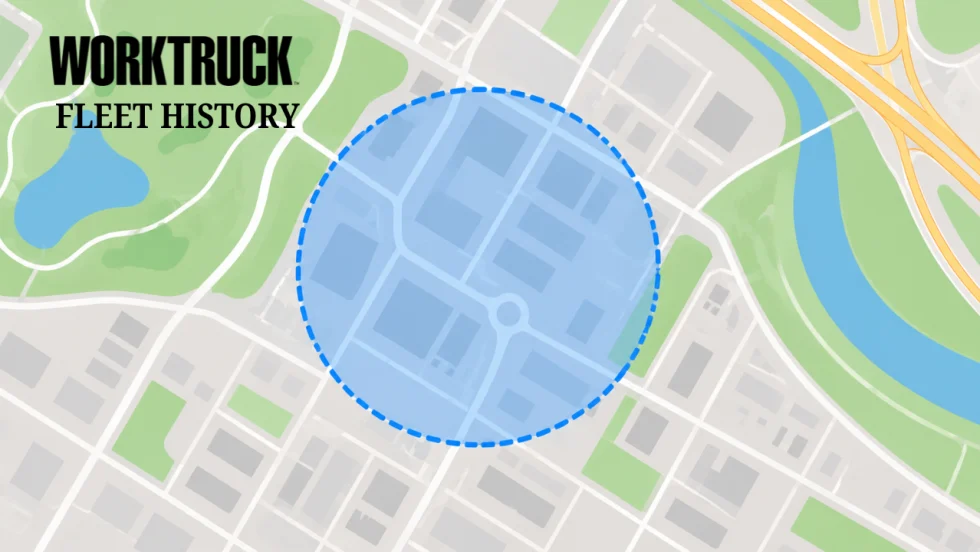
GeoFencing Adds to Your Truck Security Arsenal
Geofencing is a familiar fleet tool today, but its early adoption marked a major shift in vehicle tracking, route monitoring, and the debate over employee privacy.
Read More →
Truckers’ Strike Rumors, New GM Engines, and Hidden Idling Costs Lead This Week’s News
Truckers’ strike rumors, GM’s new 2027 engines, hidden idling costs, racing lessons, IRP rules, and more headline this week’s Truck Chat Weekly Cheat Sheet.
Read More →
Shades of Fleet Wants to Hear From You About Building a Culture of Care
Fleet leaders, we want to hear from you. Share how empathy, trust, and creating space for people can strengthen your team, improve performance, and support retention.
Read More →
What Racing Can Teach Work Truck Fleets About the Work Nobody Sees
Race car driver and mechanical engineer Isaac Johnson shares practical lessons on preparation, relationships, setbacks, and building teams that perform when it counts.
Read More →
New Fleet Guides, Hidden Truck Wear, and Driver Fit Lead This Month
Our latest Truck Chat recap covers new Fleet Guides, hidden idling costs, driver fit, lighter-truck registration rules, and year-round technician appreciation.
Read More →