




U.S. Bans Texting by Truck and Bus Drivers
WASHINGTON - Truck and bus drivers who travel interstate roadways are now banned from using a handheld device to send text messages, U.S. officials said.
WASHINGTON - Truck and bus drivers who travel interstate roadways are now banned from using a handheld device to send text messages, U.S. officials said, according to www.MSN.com.
The ban, which is supported by the trucking and bus industry, goes into effect immediately, with violators subject to up to $2,750 fines, U.S. Transportation Secretary Ray LaHood said during a morning press conference.
"We said the federal government would do everything in its power to send a clear message that texting, talking and driving are potentially lethal activities with very serious consequences," LaHood said. "Today we are sending a strong message. We don't merely expect you to share the road responsibly with other travelers - we will require you to do so."
More than 500,000 people were injured and nearly 6,000 people were killed last year in motor-vehicle accidents involving a driver who was distracted while using a cell phone or texting device, according to the U.S. Department of Transportation.
The hardest part of banning texting and talking on cell phones is enforcement, LaHood admitted. However, he noted that laws requiring seat belts and the laws against drunken driving were also hard to enforce at the start, but raising awareness has helped to get more people to use seat belts and not drive drunk.
LaHood hinted that the cell phone industry might find ways that would alert police that a driver was texting or talking on a cell phone.
Research from the Federal Motor Carrier Safety Administration (FMCSA) found that drivers sending and receiving text messages take their eyes off the road for about 4.6 seconds out of every 6 seconds while texting, Anne Ferro, the agency's administrator, said during the press conference.
At that rate, a driver going 55 mph would travel the length of a football field, including the end zones, without looking at the road, she said.
People who text while driving are 23 times more likely to get in an accident than nondistracted drivers, LaHood said. The agency is working on more regulation to reduce the use of cell phones and other electronic devices among interstate truck and bus drivers, Ferro added.
William P. Graves, president of the American Trucking Associations (ATA), said during the press conference: "We realize that texting on a handheld phone or wireless device while driving substantially elevates the risk of being involved in an accident. ATA does support DOT's action to ban the use of handheld wireless devices by commercial drivers while driving to send or receive text messages."
In September, President Barack Obama signed an executive order prohibiting federal employees from using cell phones or sending text messages while driving government-owned vehicles or with government-owned equipment. The ban took effect Dec. 30, LaHood said.
More Safety

Recalls You Need to Know About in June 2026
In June 2026, what recalls might impact your fleet? Work Truck has the answers in this comprehensive overview of recent NHTSA recalls.
Read More →
J. J. Keller Safety Professional of the Year Awards Nominations Now Open
J. J. Keller & Associates is accepting nominations for the 2026 J. J. Keller Safety Professional of the Year (SPOTY) Awards. Winners will receive prize packages valued at up to $47,200.
Read More →
ASE Aligns Automotive Service Professionals Month With Spring and Fall Vehicle Maintenance Campaigns
ASE will move Automotive Service Professionals Month to April and October beginning in 2026-2027, aligning recognition with Car Care Month events.
Read More →

Turning Connected Vehicle Data Into Decisions That Matter
Fleet leaders have more data than ever, but turning that data into clear, actionable decisions remains a challenge. This white paper shows how leading organizations are using connected vehicle data to improve safety, reduce costs, and optimize fleet performance. Learn how to turn insight into action across your fleet.
Read More →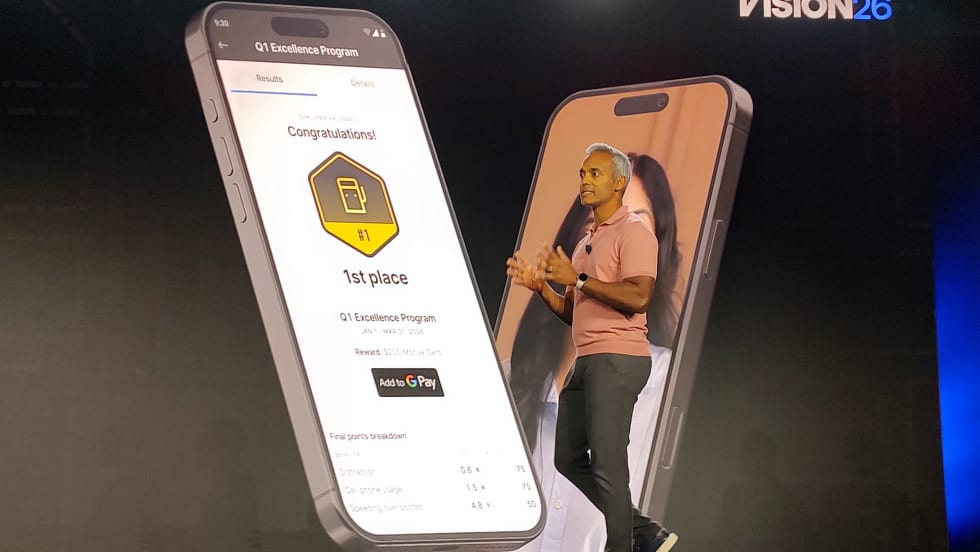
Driver Retention: Motive Automates Driver Coaching & Driver Rewards
New automated rewards and recognition capabilities from Motive can help organizations engage drivers, reinforce positive behavior, and reduce turnover. AI Coach has also been updated to deliver personalized feedback across safety, fuel, and compliance.
Read More →
Experts Forecast Broader Impact of Wildfires in 2026
This year’s wildfire season will likely be more intense than in 2025. The 2026 wildfire forecast from AccuWeather is for fewer fires, but even more acreage will be impacted this year.
Read More →
A Walkthrough of the DataQs Process
Bad data on your carrier record can cost you. Here’s how DataQs helps fleets challenge errors before they hit CSA scores, insurance, and your bottom line.
Read More →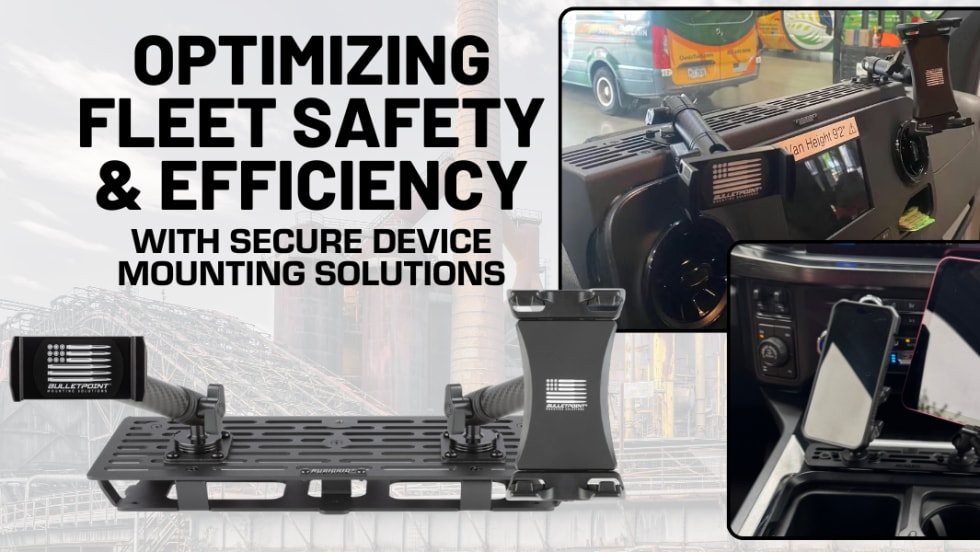
Optimizing Fleet Safety with Secure Device Integration
Unsecured devices are a hidden liability. Learn how precision-engineered mounting solutions enhance driver safety, streamline workflows and protect your technology.
Read More →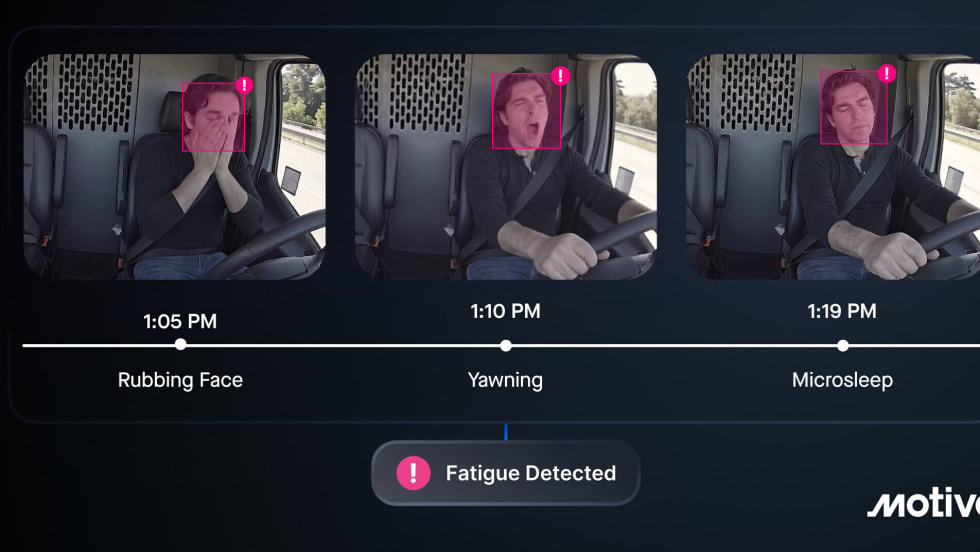
Motive Launches New Edge AI Capabilities to Help Prevent Collisions and Capture Critical Incidents in Real-Time
New AI models from Motive can detect signs of fatigue and eating, plus capture low-severity collisions often missed by telematics.
Read More →
Pro-Vision Acquires Convoy Technologies to Expand Fleet Safety and Video Solutions
Pro-Vision has acquired Convoy Technologies in a deal it said will broaden customer relationships and add specialized vehicle video capabilities for commercial fleets.
Read More →