




First Inflatable Seat Belts to Debut on Ford Explorer
DEARBORN, MI - Ford will introduce inflatable rear seat belts on the next-generation Ford Explorer, which goes into production next year for the North American market. Over time, Ford plans to offer the technology in vehicles globally.
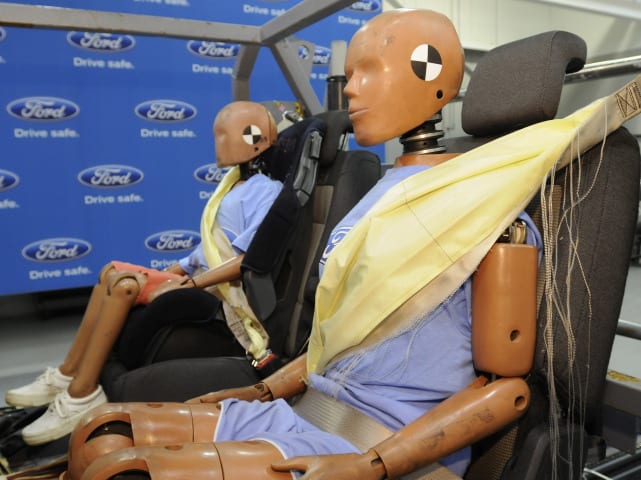
DEARBORN, MI - Ford Motor Company will introduce inflatable rear seat belts on the next-generation Ford Explorer, which goes into production next year for the North American market. Over time, Ford plans to offer the technology in vehicles globally.
The automotive inflatable seat belts combine attributes of traditional seat belts and air bags to provide an added level of crash safety protection for rear seat occupants. The advanced restraint system is designed to help reduce head, neck, and chest injuries for rear seat passengers, and will deploy over a vehicle occupant's torso and shoulder in 40 milliseconds in the event of a crash, said Ford.
Vehicle safety sensors determine the severity of the collision in the blink of an eye and deploy the inflatable belts' air bags. Each belt's tubular air bag inflates with cold compressed gas, which flows through a specially designed buckle from a cylinder housed below the seat.
The inflatable belt's accordion-folded bag breaks through the belt fabric as it fills with air, expanding sideways across the occupant's body in about the same amount of time it takes a car traveling at highway speed to cover a yard of distance.
The use of cold compressed gas instead of a heat-generating chemical reaction - which is typical of traditional air bag systems - means the inflated belts feel no warmer on the wearer's body than the ambient temperature. The inflatable belts also fill at a lower pressure and a slower rate than traditional air bags, because the device does not need to close a gap between the belt and the occupant.
The inflated belt helps distribute crash force energy across five times more of the occupant's torso than a traditional belt, which expands its range of protection and reduces risk of injury by diffusing crash pressure over a larger area, while providing additional support to the head and neck. After deployment, the belt remains inflated for several seconds before dispersing its air through the pores of the air bag.
Originally posted on Automotive Fleet
More Safety

J. J. Keller Safety Professional of the Year Awards Nominations Now Open
J. J. Keller & Associates is accepting nominations for the 2026 J. J. Keller Safety Professional of the Year (SPOTY) Awards. Winners will receive prize packages valued at up to $47,200.
Read More →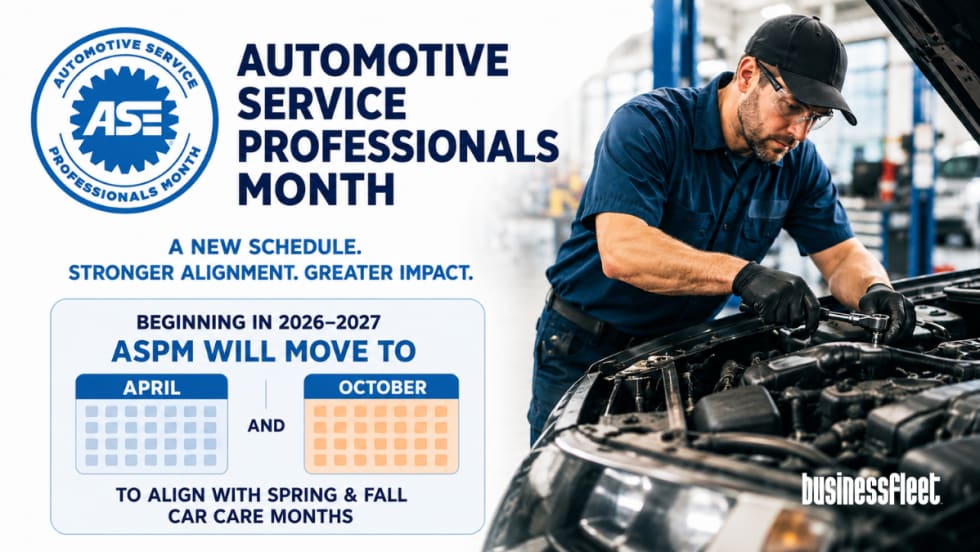
ASE Aligns Automotive Service Professionals Month With Spring and Fall Vehicle Maintenance Campaigns
ASE will move Automotive Service Professionals Month to April and October beginning in 2026-2027, aligning recognition with Car Care Month events.
Read More →
Turning Connected Vehicle Data Into Decisions That Matter
Fleet leaders have more data than ever, but turning that data into clear, actionable decisions remains a challenge. This white paper shows how leading organizations are using connected vehicle data to improve safety, reduce costs, and optimize fleet performance. Learn how to turn insight into action across your fleet.
Read More →
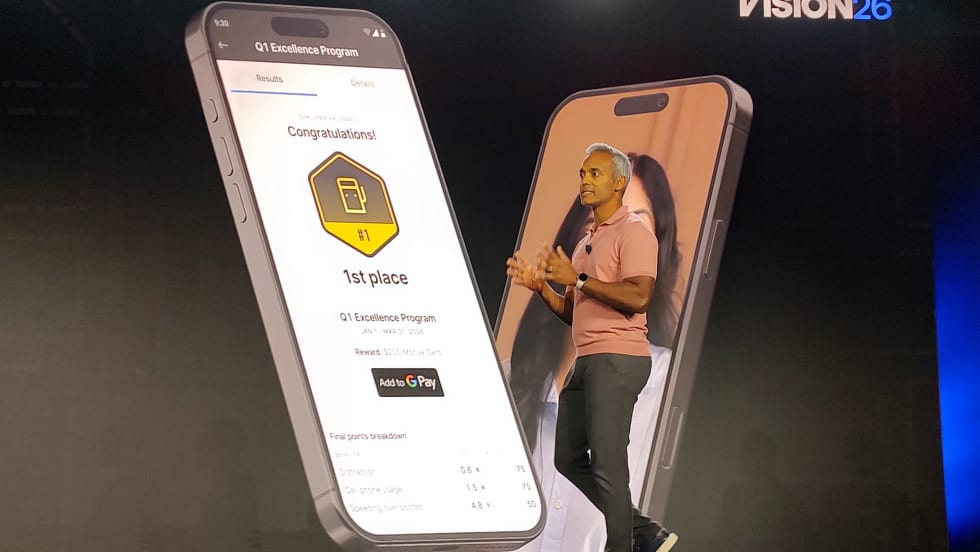
Driver Retention: Motive Automates Driver Coaching & Driver Rewards
New automated rewards and recognition capabilities from Motive can help organizations engage drivers, reinforce positive behavior, and reduce turnover. AI Coach has also been updated to deliver personalized feedback across safety, fuel, and compliance.
Read More →
Experts Forecast Broader Impact of Wildfires in 2026
This year’s wildfire season will likely be more intense than in 2025. The 2026 wildfire forecast from AccuWeather is for fewer fires, but even more acreage will be impacted this year.
Read More →
A Walkthrough of the DataQs Process
Bad data on your carrier record can cost you. Here’s how DataQs helps fleets challenge errors before they hit CSA scores, insurance, and your bottom line.
Read More →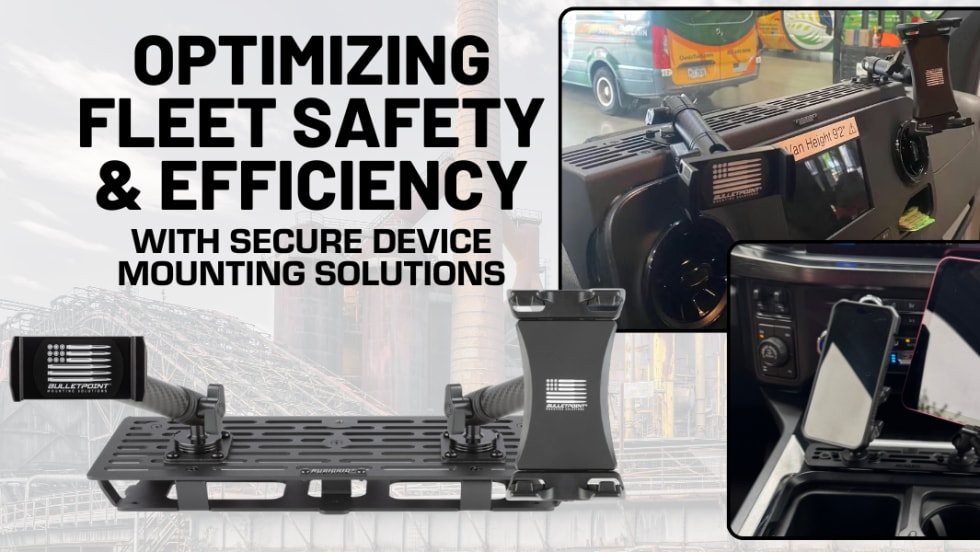
Optimizing Fleet Safety with Secure Device Integration
Unsecured devices are a hidden liability. Learn how precision-engineered mounting solutions enhance driver safety, streamline workflows and protect your technology.
Read More →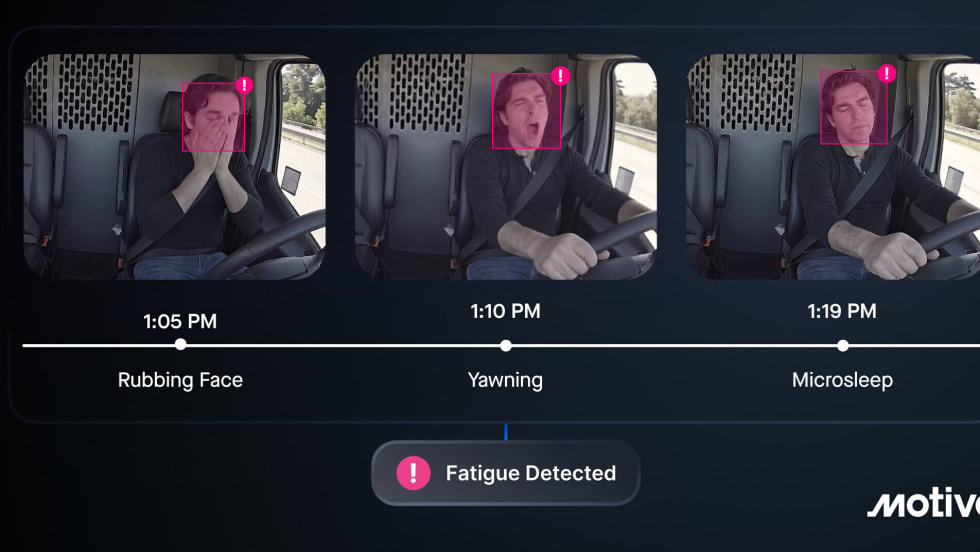
Motive Launches New Edge AI Capabilities to Help Prevent Collisions and Capture Critical Incidents in Real-Time
New AI models from Motive can detect signs of fatigue and eating, plus capture low-severity collisions often missed by telematics.
Read More →
Pro-Vision Acquires Convoy Technologies to Expand Fleet Safety and Video Solutions
Pro-Vision has acquired Convoy Technologies in a deal it said will broaden customer relationships and add specialized vehicle video capabilities for commercial fleets.
Read More →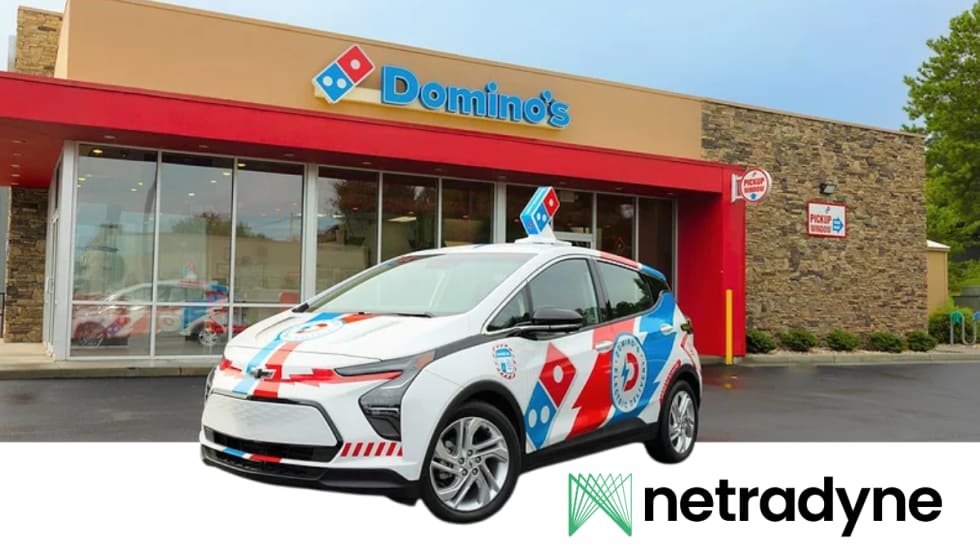
Netradyne Delivers 66% Reduction in At-Fault Crashes Across Domino's Franchise Network
Five Domino's franchises and more than 1,000 vehicles are now running on Netradyne's AI-powered fleet safety and performance platform. Designed for fleets that use personal or non-owned vehicles, FlexMount allows drivers to quickly install and remove Driver-i.
Read More →