




IIHS Studies Impact of Cell Phone Laws
ARLINGTON, VA - The Insurance Institute of Highway Safety (IIHS) recently sought out the impact of cell phone laws in changing patterns of driver cell phone use in New York, Connecticut, and the District of Columbia.
ARLINGTON, VA - The Insurance Institute of Highway Safety (IIHS) recently sought out the impact of cell phone laws in changing patterns of driver cell phone use.
IIHS researchers observed driver use of hand-held phones in three jurisdictions where the practice is banned. The findings, along with results of previous studies, reveal differing effects. In the District of Columbia, the proportion of drivers using hand-held phones dropped by about half immediately after a ban took effect in 2004. Nearly 5 years later, use has edged up a little, but the decline is largely holding relative to nearby Virginia and Maryland.
The story is different in New York, the first U.S. state to prohibit drivers from using hand-held phones in 2001. Connecticut enacted a ban in 2005. Comparing trends in these states over time, researchers found immediate effects of both laws. Cell phone use declined an estimated 76 percent in Connecticut and 47 percent in New York, but then use began going back up, according to IIHS.
To quantify the long-term effects, researchers observed phone use multiple times during 2001-09 in both the study states and nearby communities without phone bans to estimate the proportion of drivers expected to be using hand-held phones if the laws hadn't been enacted. By this measure, hand-held phone use was an estimated 65 percent lower in Connecticut, 24 percent lower in New York, and 43 lower in the District of Columbia than would have been expected without the laws.
In Connecticut and New York, phone use was higher in spring 2009 among women of all ages compared with men and higher among drivers younger than 25 versus 25-59 year-olds. Only 1 percent of drivers 60 and older were observed using phones.
"What's clear from the surveys, despite some variability in their findings, is that bans on hand-held phoning while driving can have big and long-term effects, but the safety implications still aren't clear," said IIHS President Adrian Lund. "Many drivers still use their hand-held phones, even where it's banned, and other drivers simply switch to hands-free phones, which doesn't help because crash risk is about the same, regardless of phone type."
Two studies that rely on the cell phone records of crash-involved drivers show big increases in crash risk when drivers talk on phones, whether hands-free or hand-held. The risk of a crash involving injury or property damage is 4 times as high, according to IIHS.
Other studies have been conducted on simulators. Virtually all of these confirm that phoning impairs driving performance, and the impairment is similar for hand-held and hands-free phones. The crash risk is about the same, whether drivers use hand-held or hands-free phones, so if motorists respond to hand-held bans by switching the type of phone they use, they may not be reducing crash risk. What they're doing, though, is engaging in a practice that's harder to curb because laws against it are harder to enforce.
"Police officers can see whether a driver is holding a phone to the ear, but it's going to be much harder to determine if a driver is sending a text message or talking on a hands-free phone," Lund points out.
No U.S. state currently bans all drivers from using hands-free phones. Twenty-one states and the District of Columbia prohibit beginning drivers from using any type of phone, including hands-free.
The full study is available at www.iihs.org.
Originally posted on Automotive Fleet
More Safety

Recalls You Need to Know About in June 2026
In June 2026, what recalls might impact your fleet? Work Truck has the answers in this comprehensive overview of recent NHTSA recalls.
Read More →
J. J. Keller Safety Professional of the Year Awards Nominations Now Open
J. J. Keller & Associates is accepting nominations for the 2026 J. J. Keller Safety Professional of the Year (SPOTY) Awards. Winners will receive prize packages valued at up to $47,200.
Read More →
ASE Aligns Automotive Service Professionals Month With Spring and Fall Vehicle Maintenance Campaigns
ASE will move Automotive Service Professionals Month to April and October beginning in 2026-2027, aligning recognition with Car Care Month events.
Read More →

Turning Connected Vehicle Data Into Decisions That Matter
Fleet leaders have more data than ever, but turning that data into clear, actionable decisions remains a challenge. This white paper shows how leading organizations are using connected vehicle data to improve safety, reduce costs, and optimize fleet performance. Learn how to turn insight into action across your fleet.
Read More →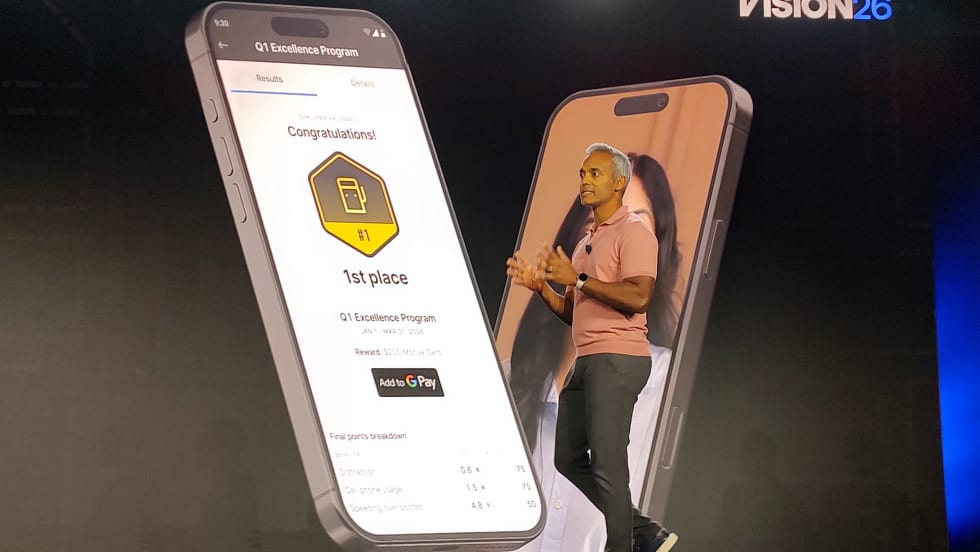
Driver Retention: Motive Automates Driver Coaching & Driver Rewards
New automated rewards and recognition capabilities from Motive can help organizations engage drivers, reinforce positive behavior, and reduce turnover. AI Coach has also been updated to deliver personalized feedback across safety, fuel, and compliance.
Read More →
Experts Forecast Broader Impact of Wildfires in 2026
This year’s wildfire season will likely be more intense than in 2025. The 2026 wildfire forecast from AccuWeather is for fewer fires, but even more acreage will be impacted this year.
Read More →
A Walkthrough of the DataQs Process
Bad data on your carrier record can cost you. Here’s how DataQs helps fleets challenge errors before they hit CSA scores, insurance, and your bottom line.
Read More →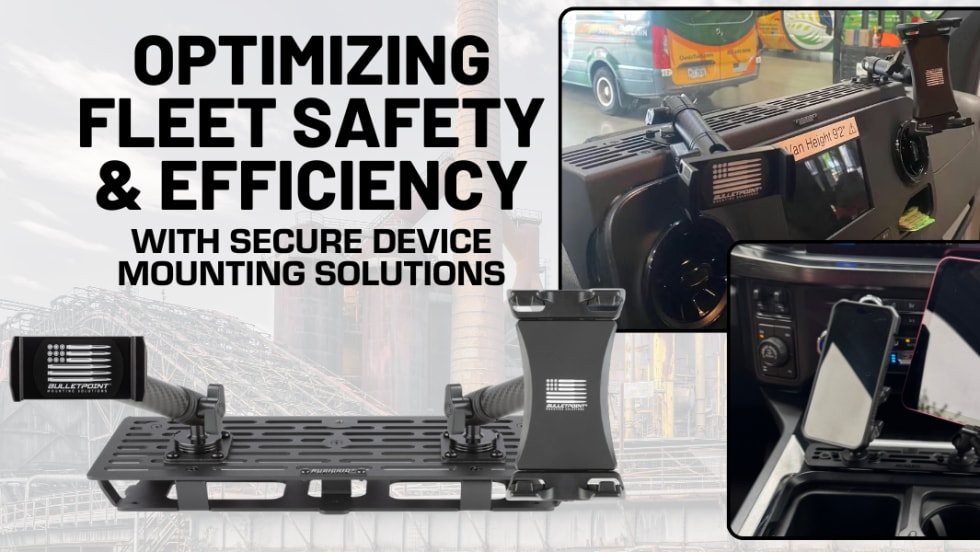
Optimizing Fleet Safety with Secure Device Integration
Unsecured devices are a hidden liability. Learn how precision-engineered mounting solutions enhance driver safety, streamline workflows and protect your technology.
Read More →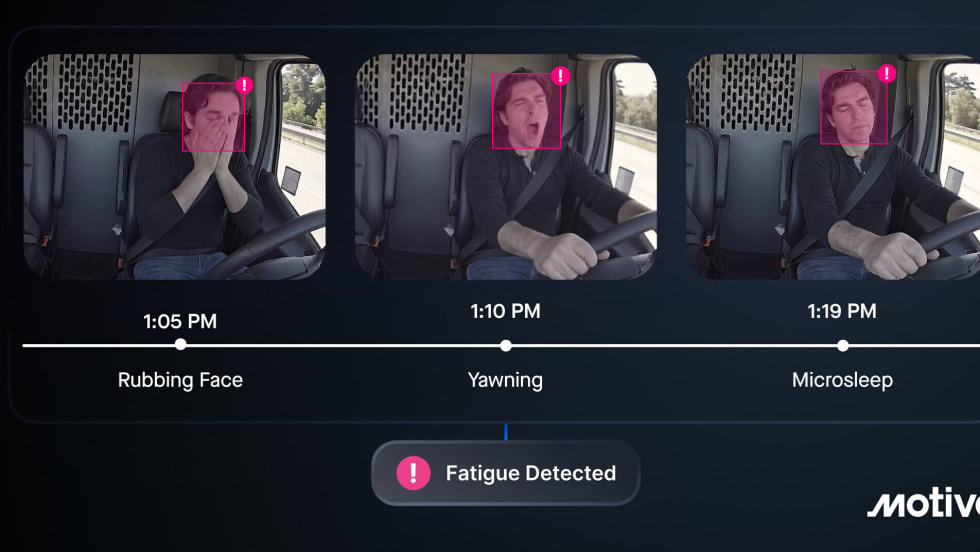
Motive Launches New Edge AI Capabilities to Help Prevent Collisions and Capture Critical Incidents in Real-Time
New AI models from Motive can detect signs of fatigue and eating, plus capture low-severity collisions often missed by telematics.
Read More →
Pro-Vision Acquires Convoy Technologies to Expand Fleet Safety and Video Solutions
Pro-Vision has acquired Convoy Technologies in a deal it said will broaden customer relationships and add specialized vehicle video capabilities for commercial fleets.
Read More →