


TOP NEWS

July 23, 2008

Manufacturers, Hauling Companies Look to Greener Fuel

ARTICLE TOOLS        | E-MailPrint RSS

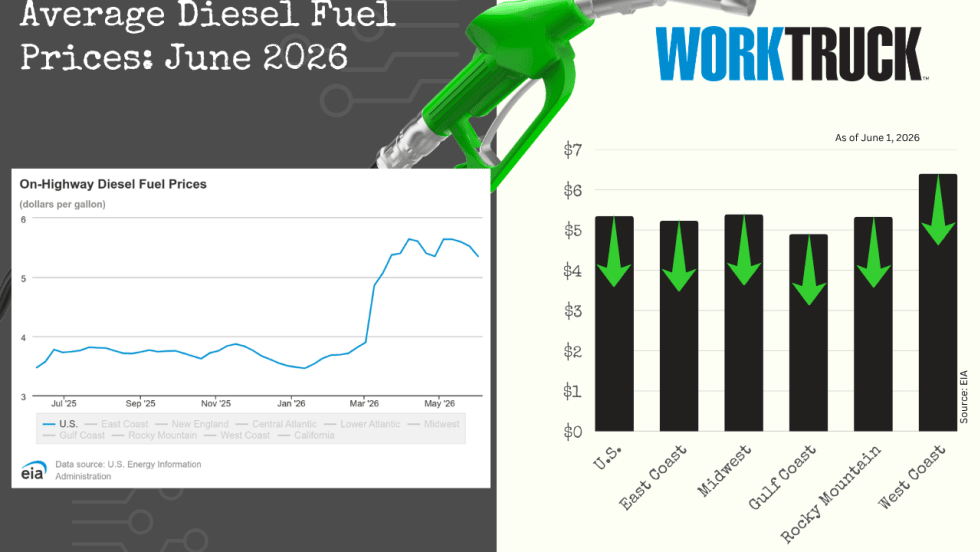
PHOENIX – Now that hybrids have a firm green foothold on the market for cars and light trucks, they are moving into medium- and heavy-duty trucks. And while they are still expensive, they are getting more economical by the day as diesel prices continue at or near record levels, according to www.azcentral.com.

Just about every manufacturer of medium- to heavy-duty trucks, including majors like Freightliner LLC, Navistar International Corp., Kenworth Truck Co., and Peterbilt Motors Co., are developing or producing larger hybrid diesel-electric trucks, said Robert Clarke, president of the Truck Manufacturers Association in Washington, D.C. Several companies began producing them this year.

Hybrid diesel-electric trucks are expensive, but manufacturers say the vehicles can save 30 to 60 percent on fuel costs, depending on how they are used. They also reduce diesel emissions and should help quiet truck and bus noises. Dealers expect the costs to come down in time.

Hybrids have become popular when it comes to cars, pickup trucks, and SUVs. They made up about two percent of the total U.S. vehicle market last year, but U.S. registrations of new hybrid vehicles rose 38 percent last year from 2006, said R.L. Polk & Co.

Clarke said the diesel-electric technology is ideal for delivery and garbage trucks and buses and other stop-and-go urban uses because the more the vehicles stop, the more their batteries get charged. The technology has been around for some time, but mostly for mining and military uses. Like cars, hybrid trucks rely more on electric power at low speeds.

Clarke also said it’s tough to get hybrid trucks on the market.

“The truck market is very, very different from the car market in that the volumes are very low,” he said, according to www.azcentral.com. “We sell only on the order of a couple of hundred thousand commercial trucks a year compared to 15 million light-duty cars and trucks. So the economies of scale are nowhere near.”

In addition to high diesel prices, the heightened interest in being green could help hybrid trucks.

Because hybrids are ideal for utilities, spokesmen for several cities, including Phoenix, Mesa and Glendale, said that they are watching the development of these vehicles with interest but haven’t committed to buying any. Allied Waste Industries Inc., a nationwide garbage hauler and recycler based in Phoenix, is also interested.

Waste Management Inc., of Houston, the nation’s largest waste-management company that does business in the Phoenix area, has purchased four diesel-electric hybrids and is testing them in northern Texas to see how practical they are and whether they do what their manufacturers claim.

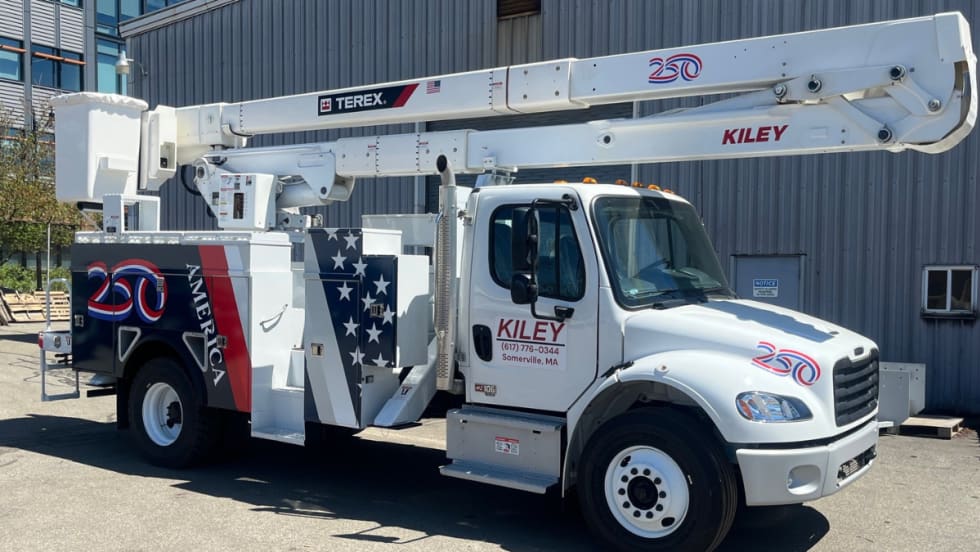
One big advantage the hybrids offer is that they are quieter because they can idle on electric power. Electric motors could be used when workers are lifted in buckets to work on power lines or streetlights.

The diesel-electric hybrids are just one of the green options at which manufacturers are looking. In addition to making regular diesel trucks more efficient, less polluting and quieter every year, they are starting to look at producing hydraulic diesels and trucks that use liquefied natural gas instead of diesel.

With automakers shifting toward hybrids, though, truck manufacturers are expected to follow.

RATE THIS STORY

Average Rating: Not yet rated

COMMENT ON THIS STORY

Please log in to write comment.

New user? Sign up for new membership now!

E-NEWSLETTER

Authoritative & Targeted! We offer e-newsletters that deliver targeted news and information for the entire fleet industry. Subscribe to one or all of them...they're FREE. SUBSCRIBE!

View the latest eNews WEEKLY

NEWS ARCHIVE SEARCH

Click Here

Sponsored Links

Flexible & Powerful Fleet Software
Chevin fleet management software - Where flexibility comes standard. Solutions for all types of vehicle and transport operations. Click Here.


BLOG

Predictions for Fleet in 2009

By Mike Antich
When looking ahead to the next 12 months, I foresee reduced operating costs for fleets offset by increased depreciation expense caused by anemic resale values and decreased incentive monies. Here’s why I believe this will be the case, along with other predictions for 2009.

2008: One of the Worst Years in Fleet History

By Mike Antich
I can’t recall a year as tumultuous as 2008. The year started with the Jan. 1 termination of the $1.8 billion merger between GE and PHH and ended with the near bankruptcy of GM and Chrysler. In between, we witnessed record fuel prices, then a spectacular freefall in fuel prices, a dismal used-vehicle market, unprecedented credit gridlock, the inability of some fleets to order new-vehicles, and fleet delivery disruptions due to a UAW strike and an epic Midwest flood that submerged rail lines.

Fleets Scramble to Cope With Extended Plant Shutdowns

By Mike Antich

Forecast for 2009: A Litany of Uncertainty

By Mike Antich

STORE

$5.00

Work Truck - July/August 2008

In This Issue:
Dodge Ram Chassis Cabs: Making Inroads in the Class 4-5 Markets, Have Traffic Violations Disqualified Your CDL Driver(s)?, Industry Groups Address Expanding Biodiesel Use and much more…