




All-New 2009 Ford F-150 Provides Enhanced Fuel Efficiency
DEARBORN, MI – The new 2009 F-150 now provides unsurpassed fuel efficiency, thanks to significant miles per gallon improvement across the entire F-150 lineup.
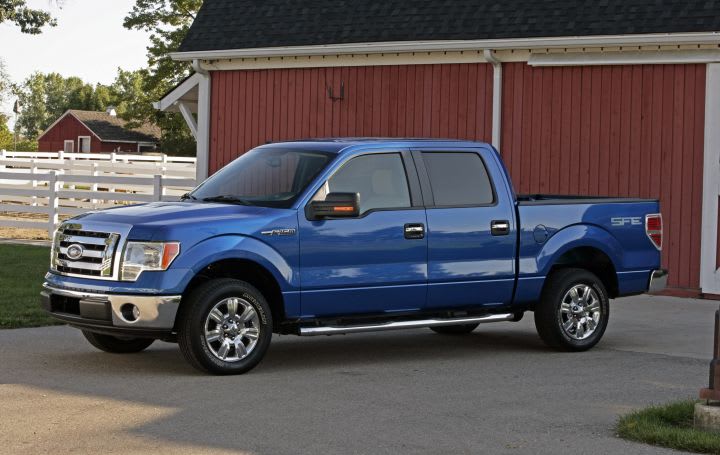
F-150
DEARBORN, MI – The new 2009 F-150 now provides unsurpassed fuel efficiency, thanks to significant miles per gallon improvement across the entire F-150 lineup. On sale in October, the new F-150 offers fuel economy that has improved an average of eight percent across the entire lineup as a result of a wide-range of engineering enhancements.
The fuel economy gains reach as high as 12 percent versus the prior model year on F-150 models equipped with the high-volume three-valve, 5.4L V-8 engine. At the same time, the new F-150 delivers class-leading towing capability of 11,300 pounds and hauling capacity of 3,030 pounds.

In addition, Ford is announcing the introduction of the new F-150 SFE “superior fuel economy” edition delivering up to 21 miles per gallon on the highway while still providing 7,500 pounds of towing capability – fuel economy that is unsurpassed in the full-size pickup segment.
“Ford has committed to have the best or equal to the best fuel economy with every new product we introduce, and we are delivering with the new F-150,” said Matt O’Leary, Ford F-150 chief engineer. “Fuel economy has moved from 10th to third place among pickup buyers’ top purchase considerations — right behind durability and value. The new F-150 delivers on all three as the industry leader.”
The new SFE package will be available on F-150 SuperCrew XL and XLT 4X2 vehicles with 4.6L, three-valve V-8 engines and 5.5-foot beds. The SFE pickup will achieve 15 mpg in the city and 21 mpg on the highway. The SFE package trucks also feature a new fuel-efficient six-speed automatic transmission, a 3.15:1 rear axle, and 18-inch chrome clad aluminum wheels with low rolling resistance P265/60R18 all-season tires.
The SFE package will be a no-cost option on XLT SuperCrew pickups with the chrome package and will cost $1,095 when ordered on XL SuperCrew pickups with the decor package.
The eight percent improvement in fuel economy across the entire lineup of V-8 F-150s is the result of using lightweight ultra-high-strength steel to lighten the truck up to 100 pounds versus the current model and aerodynamic refinements.
Key aero improvements for the new F-150 include:
A new chamfered shape to the rear of the cab, which incorporated the center-high-mount stop lamp. This shape helps direct aerodynamic wake over the pickup box efficiently.
The top of the tailgate, which angles outward, creates a bold lip. This wider surface at the top of the tailgate works with the cab chamfering to direct airflow over the box efficiently.
The front bumper valence and spoiler design, which has been improved to better manage airflow underneath the truck without compromising off-roading.
In addition, as part of the fuel economy improvements, Ford’s powertrain team delivered technology upgrades to make the F-150 powertrains more efficient. The new six-speed automatic transmission offers a wider gear ratio span than four-speed transmissions, allowing engineers the flexibility to have responsiveness in low gears and better fuel economy in the taller gears. The new double-overdrive gearbox is designed to contribute a four to six percent fuel economy improvement.
Both the 5.4L and 4.6L three-valve V-8 engines utilize open valve injection. This feature improves the air/fuel charge conditions in the combustion chamber, allowing greater spark advance at higher loads and engine speeds. This delivers increased horsepower during towing and higher rpm operations, lower emissions, and more efficient use of fuel.
The F-150 also regulates gas consumption by using aggressive deceleration fuel shut-off. The fuel shut-off is automatic and requires no unusual actions from the driver. When the driver releases the accelerator pedal, the system temporarily turns off the fuel. The flow of fuel seamlessly resumes when the truck reaches a low speed or the driver accelerates again.
To prevent engine hesitation normally associated with fuel interruption, Ford’s powertrain team developed proprietary software to integrate the technology with the F-150’s powertrains.
More Operations

What Does a Potato Have to Do with Leadership?
From simple process improvements and creative problem-solving to the little moments that strengthen team culture, this conversation dives into the power of unexpected ideas and why innovation doesn't always arrive wrapped in new technology or a major initiative.
Read More →
Looking for a New Podcast for the Road? Start Here!
Looking for a new podcast? Truck Chat delivers fleet leadership insights, industry deep dives, AI discussions, innovations, and real-world stories.
Read More →
Did You Know What You Don't See May Be Costing You Big?
As more employees choose personal vehicles (including hybrids and EVs) for business use, companies face new challenges around visibility, insurance, liability, and cost control.
Read More →
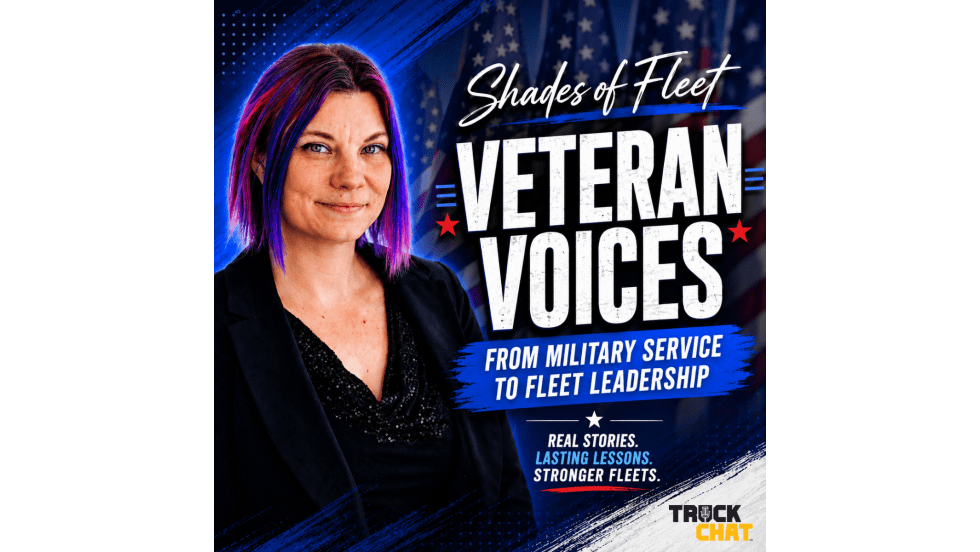
Veteran Voices in Fleet | How Military Service Shapes Fleet Leaders
Across every perspective, one message is clear: the experiences gained through military service continue to influence how veterans contribute to the fleet industry every day.
Read More →
The Fleet Lessons That Don’t Show Up on a Spreadsheet
From index cards to predictive maintenance, Robert Martinez shares the hard-earned leadership lessons that shaped nearly 40 years in fleet.
Read More →
People, Leadership & the Skilled Trades Opportunity | Weekly Cheat Sheet
People, data, leadership, and the skilled trades opportunity. See what's shaping fleets today in this week's Truck Chat Weekly Cheat Sheet.
Read More →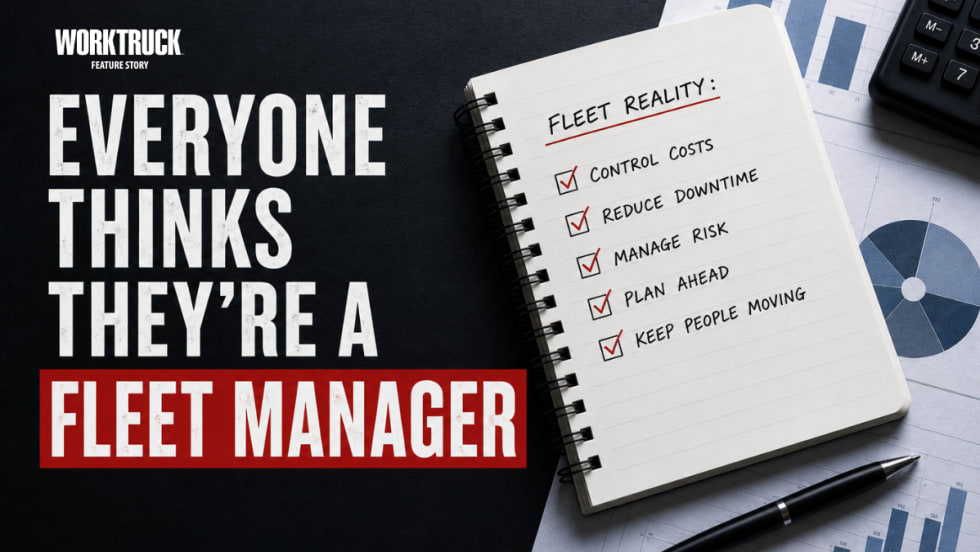
Everyone Thinks They’re a Fleet Manager
From oil changes to procurement decisions, fleet work is often underestimated by the very people who depend on it most. Bob Stanton makes the case for why communication, not just technical expertise, is one of the most important leadership skills in fleet.
Read More →
Turning Connected Vehicle Data Into Decisions That Matter
Fleet leaders have more data than ever, but turning that data into clear, actionable decisions remains a challenge. This white paper shows how leading organizations are using connected vehicle data to improve safety, reduce costs, and optimize fleet performance. Learn how to turn insight into action across your fleet.
Read More →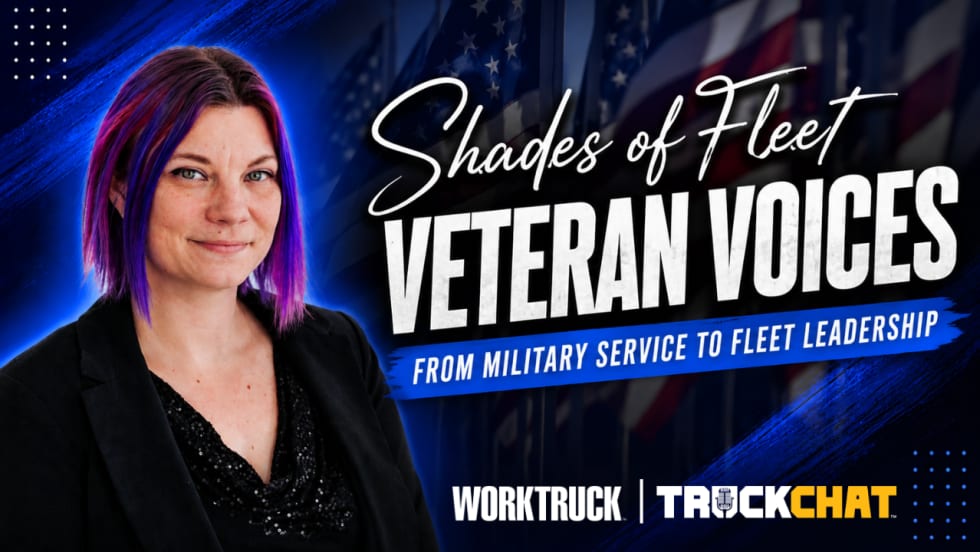
From Military Service to Fleet Leadership | Shades of Fleet
Military service ends, but the lessons don't. Hear how veterans are shaping fleet leadership through adaptability, teamwork, and mission-driven thinking.
Read More →
Are You Tracking Your Fleet's True Total Cost of Ownership?
Bobit Business Media surveyed 190 fleet professionals and found that while most fleets are tracking costs, fragmented systems and data gaps are keeping true TCO visibility out of reach. With rising pressure to control spend in an increasingly volatile environment, the gap between what fleets think they know and what the data actually shows is wider than you might expect. See how your peers are managing costs today and where the industry still has room to improve.
Read More →