




Learn More: More Than Half of U.S. Trucks Use Advanced Diesel Technology
2009 Regulatory Changes Affect Work Trucks
New federal safety standards covering tire pressure monitoring systems, door locks, occupant protection and crash test requirements, and emissions regulations will impact truck body and equipment upfits.
by Bob Raybuck
March 24, 2009
Stay on top of all current work truck fleet regulations to avoid fines or worse.
Photo: Work Truck
3 min to read
Several new Federal Motor Vehicle Safety Standards (FMVSS) will affect new chassis and their upfitters in 2009.
Regarding trucks, buses, and multipurpose passenger vehicles (MVPs) with a gross vehicle weight rating (GVWR) of 10,000 lbs. or less, the following FMVSS are effective this year and may affect body and equipment upfits.
Tire Pressure Monitoring
FMVSS 138: Tire Pressure Monitoring became effective in late 2008. Changing tires and wheels or performing wheelbase changes could affect the tire pressure monitoring system (TPMS), requiring the upfitter to recalibrate the TPMS module. The vehicle may need to be calibrated by the dealer.
Interior Occupant Protection
On Sept. 1, upper interior occupant protection changes in FMVSS 201U become effective for vehicles built in two or more stages. For most vehicles with completed occupant cabs, the chassis manufacturer may issue restrictions on equipment that can be mounted in specific in-cab areas. This standard affects the approximate area from the driver's elbows to the ceiling. For cutaway chassis, since the cab is not completed, the upfitter may need to install counter-measures in the passenger area, depending on the size of the cutaway cab. See the OEM incomplete vehicle document (IVD) or body builder book for guidance and restrictions.
Door Locks and Retention
On Sept. 1, a more stringent requirement in FMVSS 206 for door locks and door retention takes effect. This regulation primarily covers the passenger area of a vehicle and now applies to doors equipped with wheelchair lifts, which were previously excluded. Manufacturers of transit buses and other passenger-carrying vehicles 10,000 lbs. GVWR or less should review their door locks and door retention components to ensure they meet the new strength requirements.
Crash Test Requirements
Effective Sept. 1, all vehicles built in two or more stages must meet the stricter crash test requirement in FMVSS 301: Fuel System Integrity on vehicles 10,000 lbs. GVWR or less. This may require upfitters to follow specific chassis manufacturer guidelines when installing bodies on vehicles. Some manufacturers are installing additional bracing or rear crossmembers on the vehicle to meet these crash test requirements. The OEM may require the bracing or crossmember be retained or an equivalent structure be installed when mounting bodies and equipment on the vehicle. See the chassis manufacturer's IVD or body builder book for guidance and restrictions.
2010 Emissions Regulations
The new 2010 diesel emissions regulations become effective Jan. 1, 2010. These requirements will force diesel engine manufacturers to modify engines and exhaust systems to meet lower NOx emissions requirements. Two technologies are being deployed to meet this requirement: Enhanced Exhaust Gas Recirculation (Enhanced EGR) and Selective Catalytic Reduction (SCR). Both will affect body and equipment upfits.
Enhanced EGR will require the engine to have greater cooling capacity and will include additional hardware and tubing between the engine and exhaust system. Equipment mounted in this area may be affected by the EGR system.
SCR systems use an additional tank for diesel exhaust fluid, which is injected into the exhaust system to reduce NOx emissions. This system adds components to trucks, such as tanks, pumps, heated lines, and hardware. Depending on the exhaust configuration, this system may affect body and equipment installation. As with the 2007 emissions requirements, vocational applications will have specific exhaust configurations.
Subscribe to Our Newsletter
More Safety

Recalls You Need to Know About in June 2026
In June 2026, what recalls might impact your fleet? Work Truck has the answers in this comprehensive overview of recent NHTSA recalls.
Read More →
J. J. Keller Safety Professional of the Year Awards Nominations Now Open
J. J. Keller & Associates is accepting nominations for the 2026 J. J. Keller Safety Professional of the Year (SPOTY) Awards. Winners will receive prize packages valued at up to $47,200.
Read More →
ASE Aligns Automotive Service Professionals Month With Spring and Fall Vehicle Maintenance Campaigns
ASE will move Automotive Service Professionals Month to April and October beginning in 2026-2027, aligning recognition with Car Care Month events.
Read More →

Sponsored•June 1, 2026
Turning Connected Vehicle Data Into Decisions That Matter
Fleet leaders have more data than ever, but turning that data into clear, actionable decisions remains a challenge. This white paper shows how leading organizations are using connected vehicle data to improve safety, reduce costs, and optimize fleet performance. Learn how to turn insight into action across your fleet.
Read More →
Driver Retention: Motive Automates Driver Coaching & Driver Rewards
New automated rewards and recognition capabilities from Motive can help organizations engage drivers, reinforce positive behavior, and reduce turnover. AI Coach has also been updated to deliver personalized feedback across safety, fuel, and compliance.
Read More →
Experts Forecast Broader Impact of Wildfires in 2026
This year’s wildfire season will likely be more intense than in 2025. The 2026 wildfire forecast from AccuWeather is for fewer fires, but even more acreage will be impacted this year.
Read More →
A Walkthrough of the DataQs Process
Bad data on your carrier record can cost you. Here’s how DataQs helps fleets challenge errors before they hit CSA scores, insurance, and your bottom line.
Read More →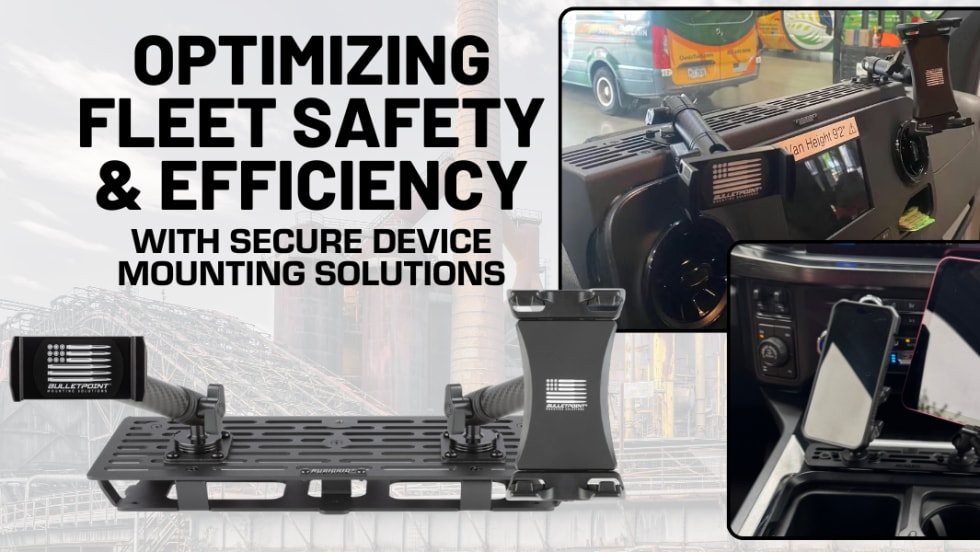
Sponsored•May 26, 2026
Optimizing Fleet Safety with Secure Device Integration
Unsecured devices are a hidden liability. Learn how precision-engineered mounting solutions enhance driver safety, streamline workflows and protect your technology.
Read More →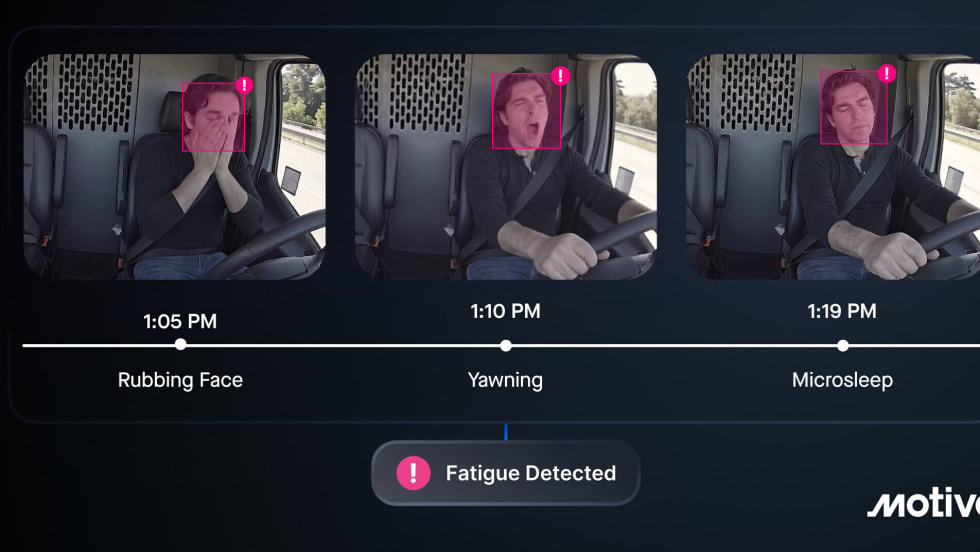
Motive Launches New Edge AI Capabilities to Help Prevent Collisions and Capture Critical Incidents in Real-Time
New AI models from Motive can detect signs of fatigue and eating, plus capture low-severity collisions often missed by telematics.
Read More →
Pro-Vision Acquires Convoy Technologies to Expand Fleet Safety and Video Solutions
Pro-Vision has acquired Convoy Technologies in a deal it said will broaden customer relationships and add specialized vehicle video capabilities for commercial fleets.
Read More →