




A 34-Hour Restart for the Federal Motor Carrier Safety Administration
WASHINGTON - The Federal Motor Carrier Safety Administration was recently asked to re-examine a 34 Hour Restart Rule.
WASHINGTON - The Federal Motor Carrier Safety Administration was recently asked to reexamine a 34 Hour Restart Rule. The request was met with support by safety officials and various groups who believe drivers should take longer breaks between trips, and jeers from those who fought for the ruling just last year, including truckers who stand to lose financially as a result of the ruling.
AmeriQuest Transportation Services examined the rule, and shared this information:
The Rule:
To break it down simply, once you move the truck you have 14 hours to park it. FMCSA rules prohibit truck drivers from operating vehicles more than 11 hours, or after having been on-duty for 14 hours. The 14 hour “on-duty” limit includes driver rest periods (typically 30 minutes), loading / unloading of cargo, and vehicle fueling / inspections. After completing 11-to-14 hours on-duty, the driver must be off-duty for 10. The FMCSA also prohibits operating a vehicle after an on-duty time of 60 hours for 7 consecutive days, or after 70 hours for 8 consecutive days.
After accumulating 70 hours within 8 days, a driver’s daily limit may be reduced. A driver is then allowed 34 hours off-duty. This is what is known as the 34 Hour Restart.
The Examination:
Certain stipulations of the law are being looked at, as research is conducted to see if limiting travel time between 1 a.m. and 5 a.m. should be reduced or lengthened. The American Trucking Association is working in tandem with FMCSA officials to conduct this field study, along with conducting research on using electronic logs.
The electronic logging requirement says all interstate trucks and all drivers covered by the hours of service rules must have these logs.
The study must also expand on research the agency used to tighten the restart last year, limiting its use to once a week, requiring two periods of rest between the aforementioned 1 a.m. and 5 a.m. time period. The study must be consistent with lab-based methodology used during the prior research study, and it must cover both drivers and carriers affected by the rule, mostly long distance owner operators.
34 Hours, Hundreds of Opinions:
Many drivers are against the 34 Hour Restart, but not for safety reasons. The ability to travel a high number of miles during any given period (earning an optimal amount of money) is key to financial stability. Long distance truckers are not fond of having to possibly stay in a hotel or sleep in their cab, far from family or loved ones, if they reach their time limit before making a round trip.
Others believe this is an attempt to keep drivers from acquiring large sums of overtime, which they are typically paid time and a half for.
To some, it’s simply a matter of biology. As many truck drivers tend to work off-peak schedules, they do not sleep regular hours. The 34 Hour Restart provision limits operation periods between 1 and 5 a.m.; however, this does not necessarily mean truckers will be able to “rest up.”
Traffic Safety Authorities (i.e.: DOT), and Trucker Support Organizations, including The Teamsters, are for the 34 Hour Restart. They feel that a regular schedule for drivers that the Teamster Unions represent will reduce the amount of incidents, where operators fall asleep at the wheel – endangering themselves and others on the road.
In the end, expect the 34 Hour Restart Ruling to be an ongoing battle between The Department of Transit, Unions, and drivers hoping to make an honest living.
About the Author: Andy Stopka is Vice President of Maintenance for NationaLease, with nearly 30 years experience in the transportation industry, with a background in full service leasing, contract maintenance, and dedicated contract carriage.
More Operations

Work Truck Seeks Fleet and Industry Insights on 2026 Trends and 2027 Forecasts
Work Truck is seeking insights from fleet leaders and industry partners on the trends that shaped 2026 and what commercial fleets should prepare for in 2027. Participate today!
Read More →
30 Years in Fleet and Still Learning: Lessons Beyond Trucks
After more than three decades in fleet, Bob Adamsky has learned that knowing trucks is only part of the job. The bigger lessons come down to communication, understanding, and never assuming you know it all.
Read More →
What Every New Fleet Manager Should Know
Carolyn Edwards shares lessons on finding mentors, showing fleet’s value, and leading teams in this episode of Legends of Fleet.
Read More →From Our Partners
Basic Tracking vs Next Generation Fleet Technology
Sponsored by AT&T Business

5 Facts Every Fleet Manager Should Know About Embedded Telematics
Sponsored by Stellantis/Mobilisights
How AI Video Telematics Boosts Driver Safety and Helps to Avoid Unnecessary Costs
Sponsored by Verizon Connect

Charting the 8 Bottom-Line Benefits of Workforce Optimization
Sponsored by Verizon Connect


Les Schwab Tires Launches Foundation With $100,000 for Community Recovery
Les Schwab Tires launches a foundation with $100,000 to support recovery for Silver Rail Elementary and the Bend community following a school shooting.
Read More →
Bring Some Fleet to Your Halloween with Our Pumpkin Carving Templates
Download Work Truck’s truck-themed pumpkin patterns, explore more automotive designs, and give your shop or front porch a seasonal upgrade.
Read More →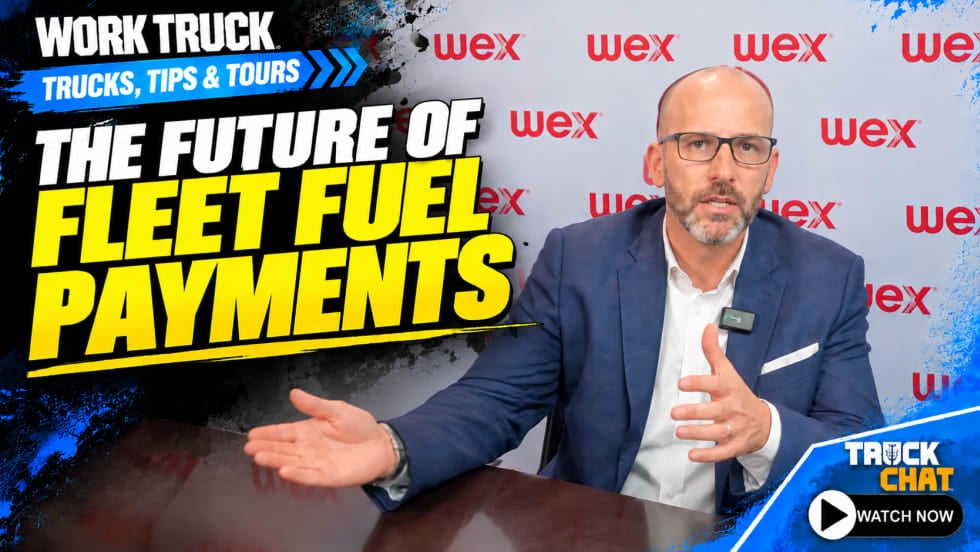
How Cardless Fuel Payments Benefit Commercial Fleets
Is it time for fleets to move beyond plastic fuel cards? David Abraham of WEX explains how cardless fuel payments can help reduce fraud, simplify driver transactions, and improve efficiency by allowing drivers to pay for fuel using their smartphones.
Read More →
Good Fleet Leadership Starts With the People You Already Have
From developing future leaders to listening to employees, discover how better leadership can help work truck fleets retain talent and build stronger teams.
Read More →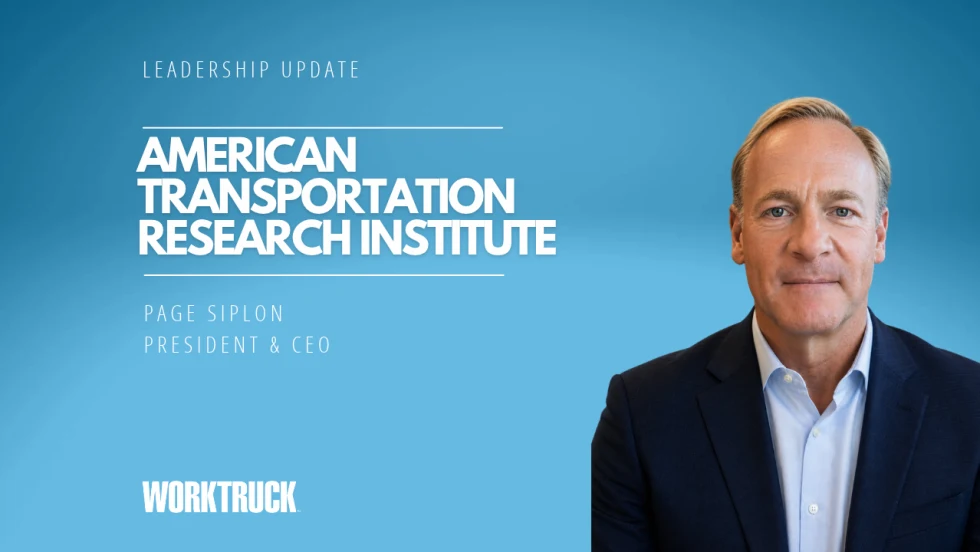
ATRI Names Next President and CEO
Page Siplon, a longtime transportation and logistics industry executive, has been chosen as the next president and CEO of the American Transportation Research Institute (ATRI).
Read More →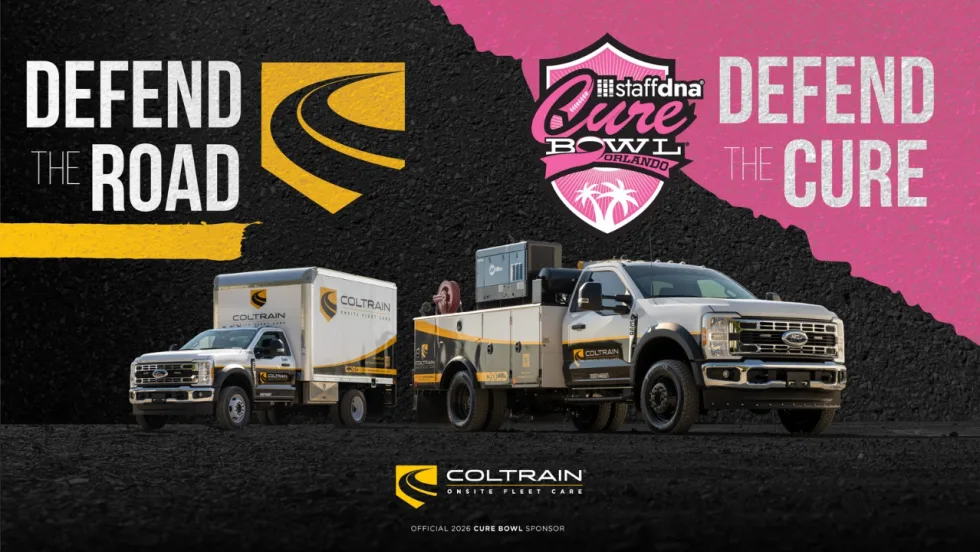
Coltrain Onsite Fleet Care Sponsors 2026 Cure Bowl to Support Cancer Research
The mobile fleet maintenance provider is supporting the annual college football bowl game, which has helped raise $6.83 million for cancer research since 2015.
Read More →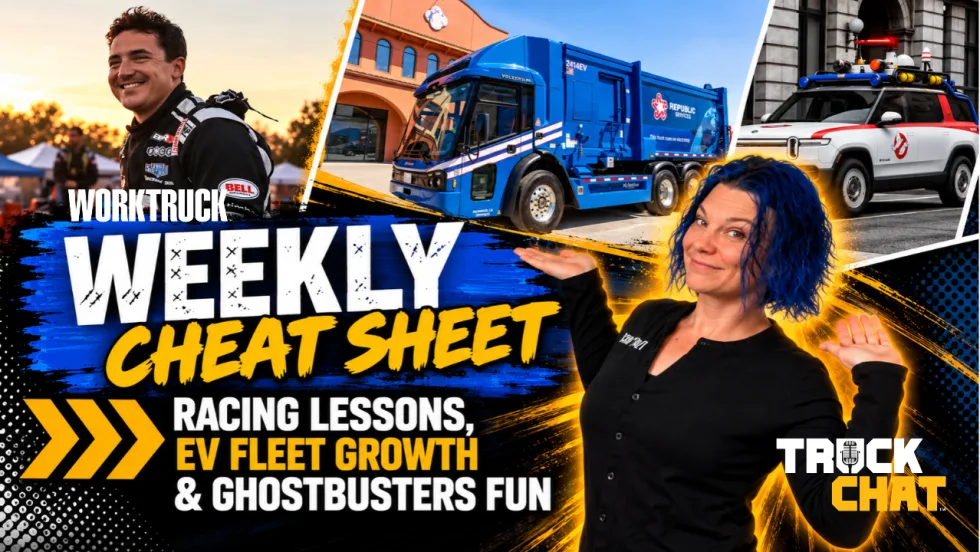
Racing Lessons, Electric Fleet Growth, and Ghostbusters Lead This Week's Work Truck News
Racing lessons for fleets, Republic Services' electric truck expansion, 40 years of fleet wisdom, truck trivia, autonomous yard trucks, and more headline this week's Truck Chat Cheat Sheet.
Read More →