




Verizon and VIA Motors to Collaborate on eREV Vehicle
INDIANAPOLIS – Verizon and VIA Motors announced they will collaborate to develop and demonstrate plug-in electric work vehicles using VIA’s proprietary eREV (extended range electric vehicle) technology and evaluate the technology for possible wide-scale application into Verizon’s fleet.
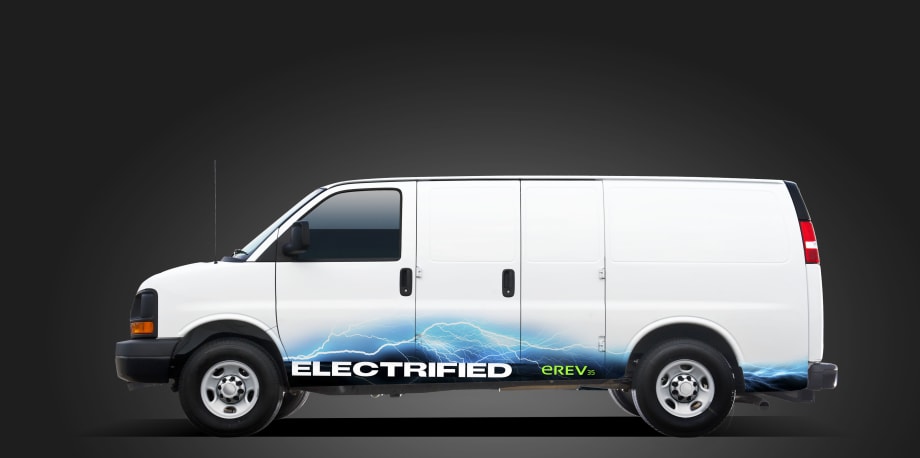
VIA Motors eREV Van
INDIANAPOLIS – Verizon and VIA Motors announced they will collaborate to develop and demonstrate plug-in electric work vehicles using VIA’s proprietary eREV (extended range electric vehicle) technology and evaluate the technology for possible wide-scale application into Verizon’s fleet.
The announcement was made at a press conference at the National Work Truck Show in Indianapolis, where VIA demonstrated an “electrified” pick-up truck and cargo van, two of the most widely used vehicles in Verizon’s fleet, and provided test drives for the media and the public at the show.
Both models use VIA’s proprietary eREV power train technology, enabling them to drive a majority of their daily work routes emission-free and entirely on electric power. The vehicles have up to 40 miles of all-electric range using advanced technology lithium ion batteries, with the added capability to drive unlimited additional miles using VIA’s onboard electric generator or “range extender.” Both vehicles can be charged from a typical 110v household outlet.
In independent testing, VIA’s eREV pick-up trucks have demonstrated up to 100 mpg in typical fleet driving. VIA anticipates the Verizon electrified work vehicles should improve fleet fuel economy up to 300 percent while cutting emissions in half or more, according to the company.
“At Verizon, we’re in the business of breaking down old technology barriers to drive innovation,” said Verizon’s Chief Sustainability Officer James Gowen. “By collaborating with VIA on this extended range technology, we hope to create a game-changing opportunity for Verizon and other industries to reduce emissions and cut maintenance costs without having to wait years for large-scale electric charging infrastructure.”
In addition to significant fuel savings, Verizon anticipates utilizing the vehicles onboard generator and power export option to power work tools or even provide power to their network in an emergency. Work vehicles, which typically carry thousands of pounds of equipment and cargo, can save significantly more money than lighter vehicles by shifting to electricity, according to the manufacturer.
More Fuel

The Smart Way to Build a Mixed-Energy Fleet Isn’t About Picking a Side
Mixed-energy fleets aren’t about picking a winning fuel. Sarah Booth of WEX explains how vehicle data, duty cycles, charging strategy, and real-world costs can help fleets choose the right energy source for each job.
Read More →
Ignoring This Dashboard Warning Could Cost Your Fleet Thousands in Fuel
New research suggests neglected diesel aftertreatment systems could waste up to $30 in fuel per vehicle each day. Here's why vocational fleets should pay attention.
Read More →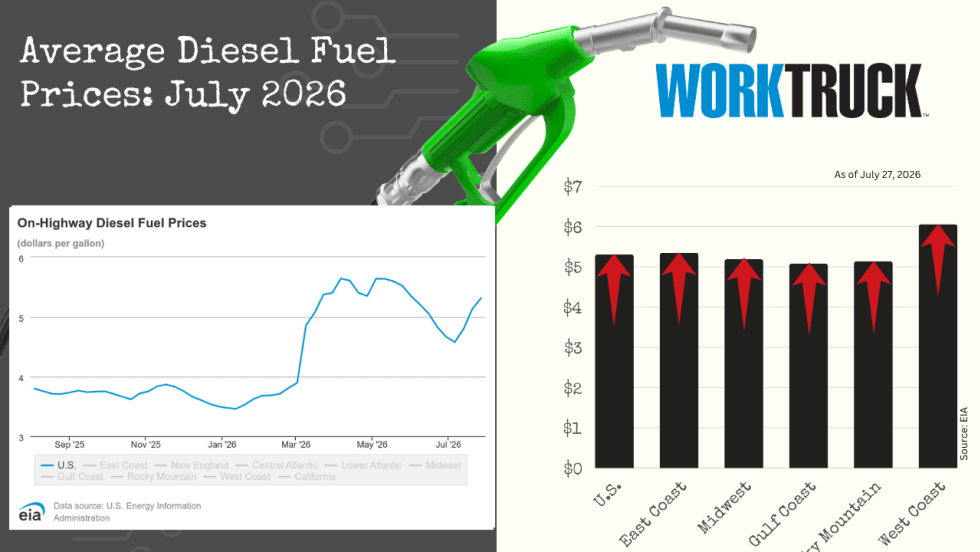
July Diesel Trends Update
The average price of a gallon of diesel increased again this week, and the EIA reported a new national average of $5.31 at the start of the week.
Read More →
WEX Brings Standard Fleet's Connected Vehicle Platform to Fleet Customers
This week’s product launch with Standard Fleet’s connected vehicle platform reflects WEX Venture Capital's strategy of turning startup innovation into customer solutions. Standard Fleet is now available to WEX fleet customers.
Read More →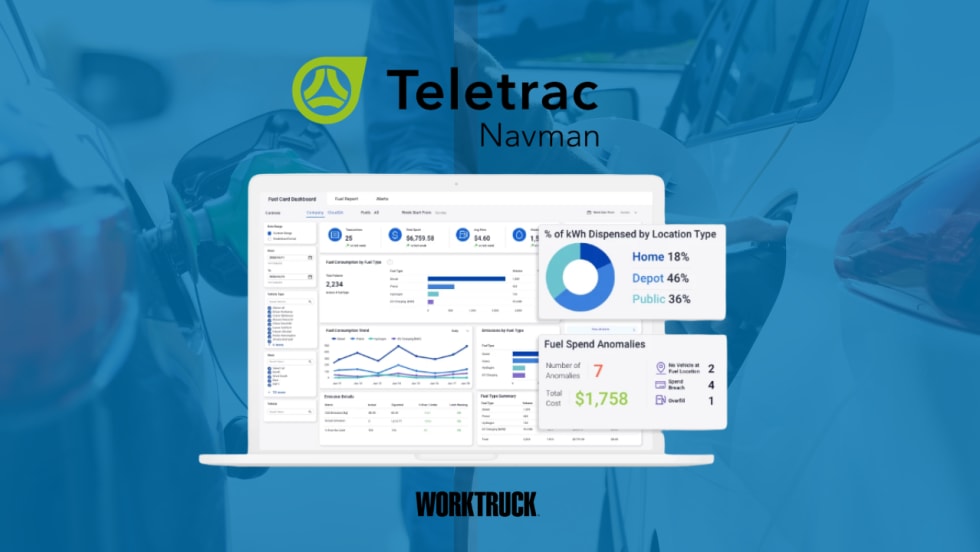
Teletrac Navman Adds Mixed-Energy Fleet Tools to TN360
The new Energy Hub combines fuel transactions, EV charging data, vehicle range, and energy costs in one dashboard for fleets operating multiple vehicle and energy types.
Read More →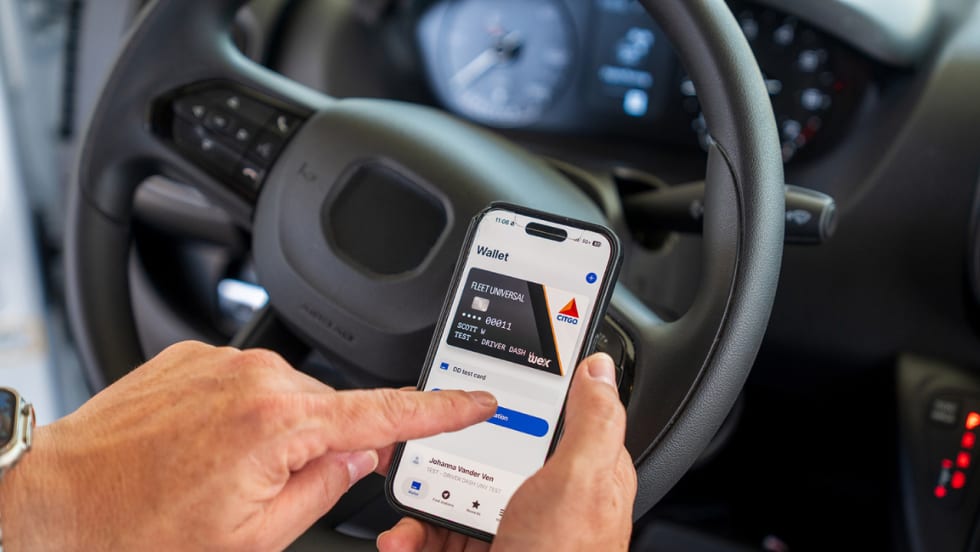
WEX DriverDash adds CITGO, Expands Nationwide Access for Fleets
The DriverDash mobile payment app, by WEX, has been integrated into the CITGO merchant network, which means WEX has expanded its U.S. station footprint with the addition of approximately 4,000 CITGO locations.
Read More →
Mixed Energy Fleet Tips for Balancing EVs, Gas and Diesel Vehicles
Mixed energy fleets are becoming the new normal. Learn how fleet managers are balancing EVs, gas and diesel vehicles while controlling costs and planning for the future.
Read More →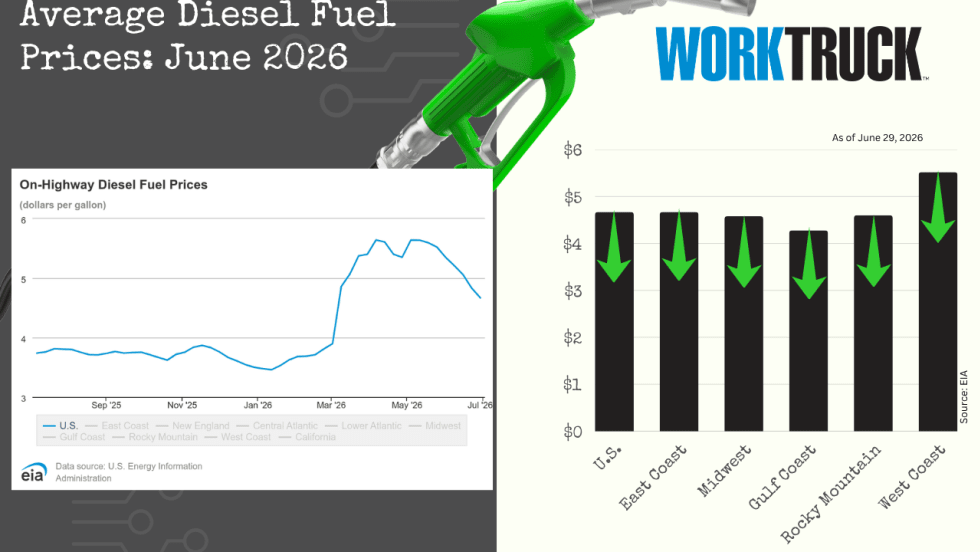
June Diesel Trends Update
The national average price of a gallon of diesel has dropped again, this week by more than 16 cents. All five regions reported lower average prices, ranging from almost 13 cents to more than 28 cents cheaper than a week ago.
Read More →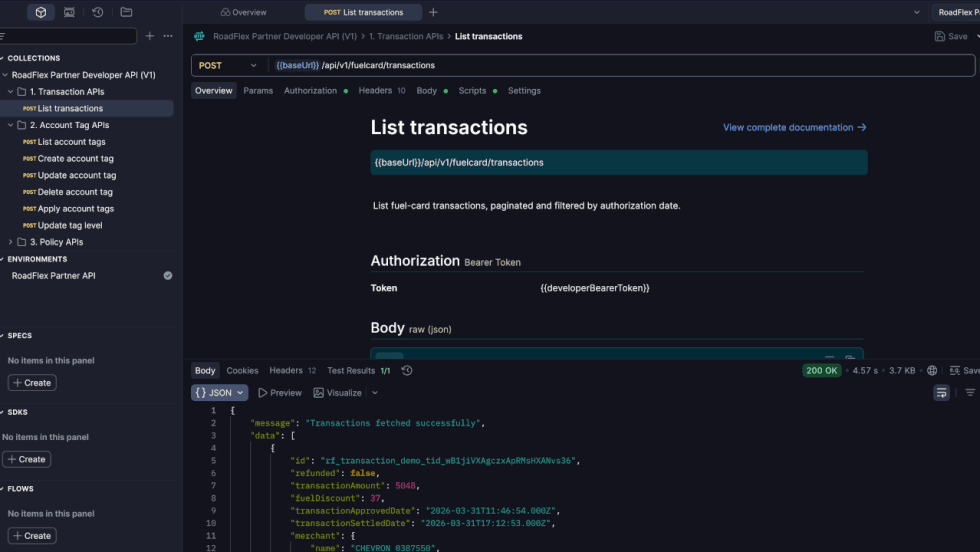
RoadFlex Launches RoadFlex Direct Open API Platform
RoadFlex Direct connects fuel cards, controls, and data to the telematics and fleet management systems fleets already run, from Geotab and Samsara to Fleetio and RTA, with no separate dashboard or double data entry.
Read More →
The Key to Fuel Efficiency Sits in the Cab
Learn how driver behavior, telematics, coaching, and fuel data can help fleets improve fuel efficiency, lower costs, and reduce emissions.
Read More →